The Best Sleep Trackers Without a Subscription in 2026
Most popular sleep trackers lock their best data behind a monthly fee. Here are the trackers customers consistently rate highest that give you everything for free.
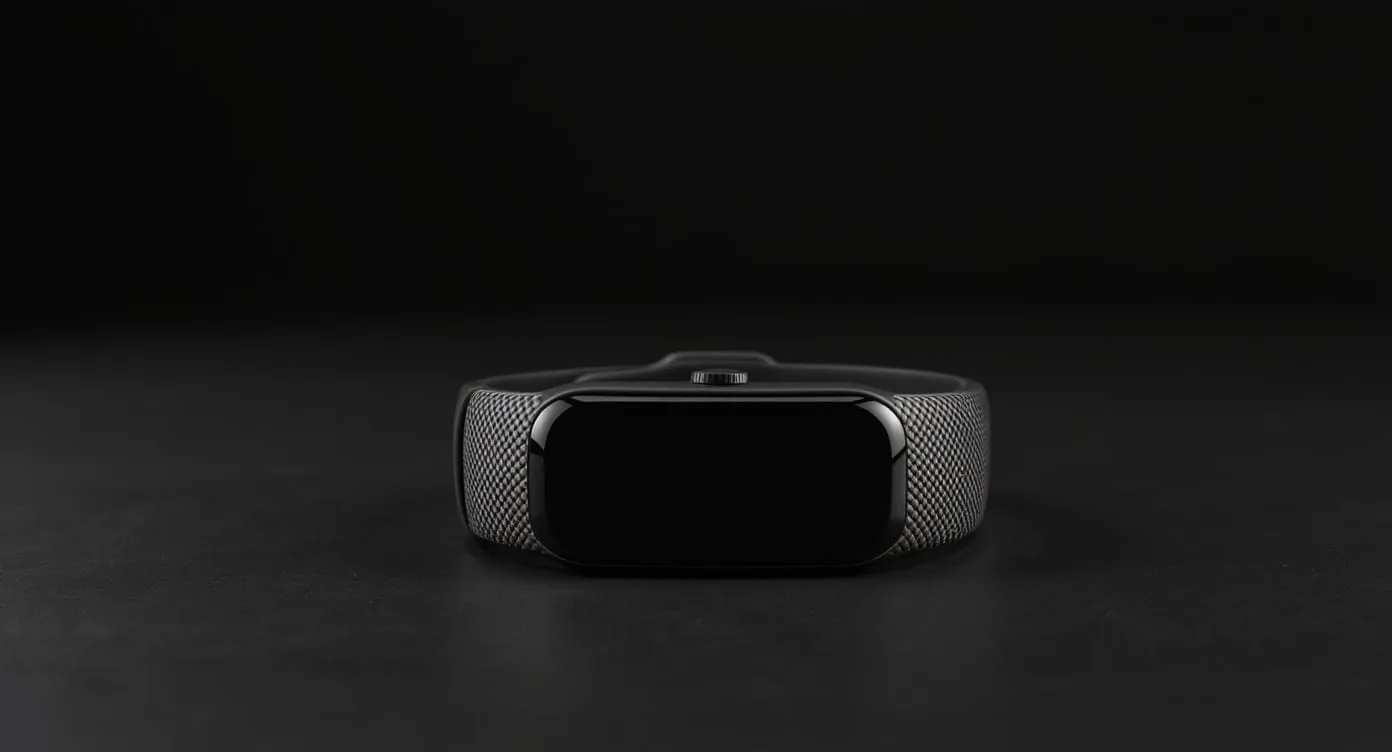
The sleep tracker industry has quietly moved toward a subscription model that frustrates a lot of buyers. You spend $300 on a ring or wristband, and then discover that the detailed sleep stages, trend analysis, and actually-useful insights sit behind a $6/month paywall. Over 5 years, that subscription costs more than the device itself — and if you stop paying, your historical data becomes inaccessible. For anyone tired of that model, there are still two well-reviewed sleep trackers that give you the full data for free forever.
This guide covers the three sleep trackers that consistently lead detailed reviews from buyers who specifically don't want to pay a monthly fee — one mainstream wrist-worn, one bed-based, and one clinical-grade wrist wearable.
Why subscriptions hurt sleep tracker value
The subscription model is particularly bad for sleep tracking for three reasons:
1. The value is in the trend data. One night of sleep data is nearly meaningless. Trends over weeks and months are what actually tell you whether a habit change is working. Subscriptions gate exactly this — the feature that makes the device worth owning.
2. Your historical data disappears. If you cancel, most subscription trackers lock your previous months of data. You can't go back to compare "what was I doing differently in January when I slept better?"
3. The hardware doesn't improve. You're not paying for ongoing hardware upgrades. You're paying for software you already paid for when you bought the device.
The three trackers in this guide avoid all three problems by including everything at purchase.
What to look for in a no-subscription tracker
1. All sleep data free at purchase. Confirm before buying that sleep stages (light/deep/REM), heart rate trends, and sleep score are included without any paid tier.
2. Accuracy for overnight sleep. Published validation against polysomnography is the gold standard. Wearables have improved dramatically in the last 5 years but still aren't perfect — look for brands with published accuracy data.
3. Battery life. A tracker you forget to charge is a tracker that doesn't track. Multi-day battery life is better than nightly charging.
4. Comfort for overnight wear. Sleep trackers that are uncomfortable end up in a drawer. Wrist straps should be soft; rings should fit well; bed mats should be invisible.
5. Data export option. Being able to export your own data means you're not locked in even if the company changes its policies.
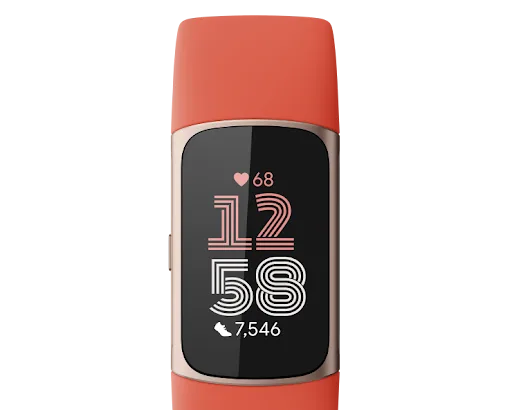
1. Fitbit Charge 6 — Best Wrist Tracker
Fitbit
Fitbit Charge 6
$159.95
Pros
- Sleep stages, heart rate variability, and SpO2 tracking
- 6+ day battery life — wear continuously without charging interruptions
- Sleep Score with morning summary
Cons
- Requires Premium subscription for full insights
- Smaller display than smartwatch alternatives
The Fitbit Charge 6 is the most-recommended wrist sleep tracker in detailed reviews for one specific reason: you get the sleep score, sleep stages, and trend data without a Fitbit Premium subscription. Unlike Oura (ring + monthly fee) or Whoop (membership-only), Fitbit has maintained a free base tier that includes the metrics most sleep-tracking users actually care about.
What buyers consistently like
- Sleep stages free at the base tier. Light/deep/REM breakdowns without Premium.
- Nightly sleep score. A single number that summarizes the night, which is useful for trend comparison without diving into every metric.
- 6+ day battery life. You can wear it for an entire week between charges. No forgotten nights.
- Heart rate zones + resting HR trends. Valuable for seeing how habit changes affect recovery over weeks.
- Google Maps + Wallet integration. Beyond sleep, it's a functional smartwatch with useful daily features.
- Affordable. Half the price of an Oura Ring, and that's without considering the Oura's subscription.
Trade-offs
- Premium still exists and gates "advanced" insights. You get the base data free, but deeper analysis (sleep profile, coaching) still requires Premium. Most users find the free tier sufficient.
- Wrist trackers are less accurate than rings. The wrist has more noise than the finger for heart rate. Not a big deal for most users, but worth noting.
- Google account required. Fitbit was acquired by Google, so you need a Google account to use the app.
- Charge 6 design is thin but long. Some smaller wrists find it awkward.
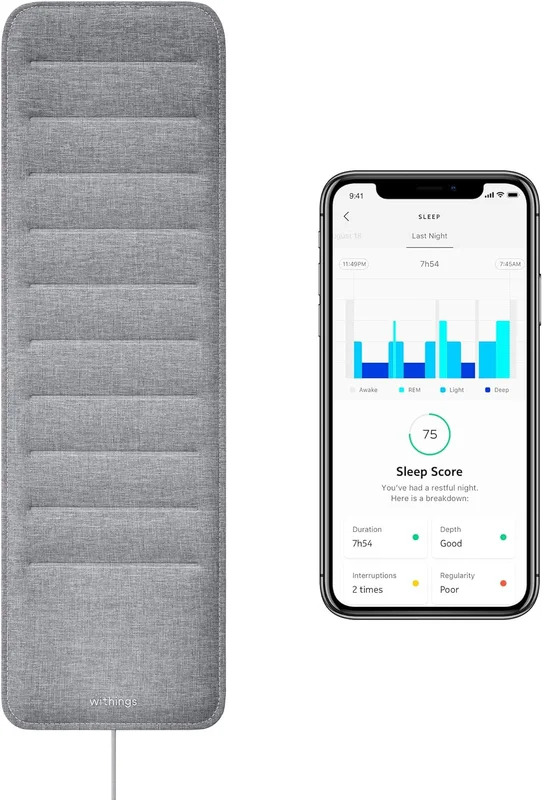
2. Withings Sleep Tracking Mat — Best Non-Wearable
Withings
Withings Sleep Tracking Mat
$129.95
Pros
- Slides under mattress — nothing to wear
- Tracks sleep cycles, heart rate, and snoring
- No subscription required for full data
Cons
- Less accurate stage detection than Oura
- Single-zone — measures only one side of the bed
If you hate wearing anything on your wrist or finger overnight — and many people do — the Withings Sleep Tracking Mat is the most-reviewed alternative. It's a thin pad that goes under your mattress (you don't feel it), and it tracks your sleep via ballistocardiography — measuring micro-movements of the mattress to detect heart rate, breathing, and sleep stages. All data is free, forever.
What buyers consistently like
- Completely invisible. Zero wearable component. Nothing on your body. The #1 reason people choose this over wrist trackers.
- All data free. Withings has maintained the free model even as competitors moved to subscriptions.
- Automatic. Once installed, it just works. Nothing to charge, nothing to put on, nothing to remember.
- Sleep cycle, heart rate, snoring detection. Tracks all the metrics wrist trackers do, plus snoring detection that rings and watches can't do.
- IFTTT integration. Can trigger smart home automations (e.g., turn off the lights when you fall asleep).
- No subscription tier. There's literally no upsell. Everything is included.
Trade-offs
- Single-sleeper per mat. If you share a bed, you'll need two mats (one per side) for individual tracking.
- Tracks the bed, not the person. If you fall asleep on the couch, nothing happens. Data is limited to when you're in your actual bed.
- Less accurate than clinical-grade monitoring. Like all consumer sleep trackers, it's an estimate, not a polysomnogram.
- Requires power. Needs a USB power source near the bed.
- Setup is slightly fiddly. Positioning under the mattress takes a minute to get right.
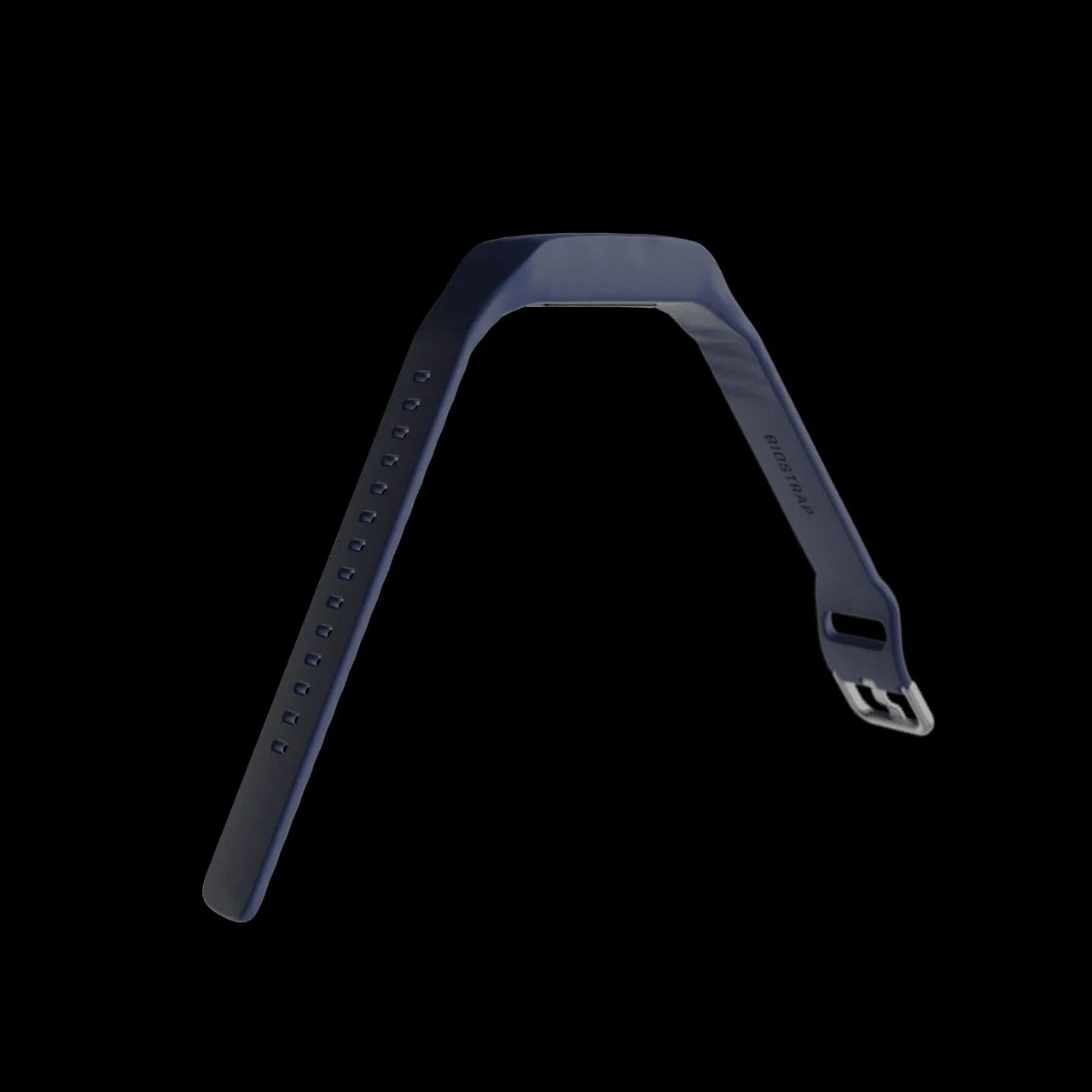
3. Biostrap EVO — Best for Clinical-Grade Data
Biostrap
Biostrap EVO
$174.99
Pros
- Clinical-grade PPG sensor with red and infrared light
- Captures raw biometric waveforms, not just summary metrics
- No subscription required for core sleep and recovery data
Cons
- Bulkier than mainstream wrist wearables
- Smaller app ecosystem than Fitbit or Oura
The Biostrap EVO is the pick for users who want the deepest biometric data without a monthly fee. It uses a red and infrared PPG sensor — the same dual-wavelength approach used in clinical pulse oximeters — that captures higher-resolution data than the green-light sensors in Fitbit and most wrist wearables. Sleep stages, HRV, respiratory rate, and SpO2 are all included at purchase with no subscription tier.
What buyers consistently like
- Clinical-grade sensor. Red/infrared light penetrates deeper than green, producing cleaner heart rate and SpO2 readings with less noise from motion and skin pigmentation.
- No subscription for core sleep data. Sleep stages, HRV trends, respiratory rate, and SpO2 — all free forever at purchase.
- Raw waveform access. For data-oriented users, Biostrap provides the underlying PPG waveforms, not just processed summary scores. No other consumer wearable at this price offers this.
- Recovery and readiness scores. Provides actionable morning recovery data comparable to WHOOP — without the WHOOP subscription.
Trade-offs
- Smaller ecosystem. Fewer app integrations and a smaller user community than Fitbit or Oura.
- Bulkier form factor. The sensor module is noticeably larger than a Fitbit band. Comfort is acceptable but not best-in-class.
- Niche appeal. Most casual sleep trackers won't use the raw data features. If you just want a sleep score, the Fitbit is simpler and cheaper.
Wrist, mat, or clinical: which is right for you
Choose the Fitbit Charge 6 if:
- You want sleep tracking + general activity tracking
- You don't mind wearing something on your wrist
- You want a watch you can use during the day (steps, heart rate, notifications)
- You're in the $150–200 budget range
Choose the Withings Sleep Mat if:
- You hate wearing anything on your wrist or finger
- You want zero-effort sleep tracking
- You only care about sleep data (not daytime fitness)
- You specifically want snoring detection
Choose the Biostrap EVO if:
- You want the most detailed biometric data available without a subscription
- You're interested in raw PPG waveforms and clinical-grade readings
- You want recovery scores comparable to WHOOP without the monthly fee
- You're comfortable with a smaller app ecosystem
Some users own both a wearable and the Withings mat — passive overnight tracking plus daytime activity from a second data source.
What about Oura, Whoop, and Apple Watch?
The three most-marketed sleep trackers all have subscription catches:
- Oura Ring Gen 3 — $6/month Oura Membership required for most useful features. Without it, you get a basic sleep score and nothing else.
- Whoop 4.0 — Subscription-only model ($30/month). You don't even buy the device; you lease it.
- Apple Watch — No subscription required for built-in sleep tracking, but accuracy is lower than Fitbit or Oura in validation studies. Also needs nightly charging.
If you want no subscription and don't care about Apple ecosystem, the Fitbit + Withings picks in this guide are better.
How they compare
Frequently asked
Is Fitbit really subscription-free for sleep data?+
How accurate are consumer sleep trackers?+
Do I need a phone for the Withings mat to work?+
Can I use Fitbit without a Google account?+
Will my sleep tracker data still be accessible if the company shuts down?+
Where to go next
Related findings.
 Edge Pick
The Best White Noise Machines for Tinnitus in 2026
Tinnitus at night is relentless. The right masking sound can make sleep possible again. Here's what customers with tinnitus consistently rate highest for nighttime use.
 Edge Pick
The Best Weighted Blankets for Deep Sleep (2026)
What the research says about weighted blankets for sleep and anxiety — plus the two products verified buyers consistently rate highest.
 Edge Pick
The Best Weighted Blankets for Anxiety in 2026
Weighted blankets use deep pressure stimulation to calm the nervous system — a technique originally developed for anxiety and sensory disorders. Here's what customers rate highest.