Oura Ring Gen 3 Review: What the Data Actually Tells You
A detailed review of the Oura Ring Gen 3 — the validation data, the subscription controversy, and whether sleep tracking from a ring is worth the premium.
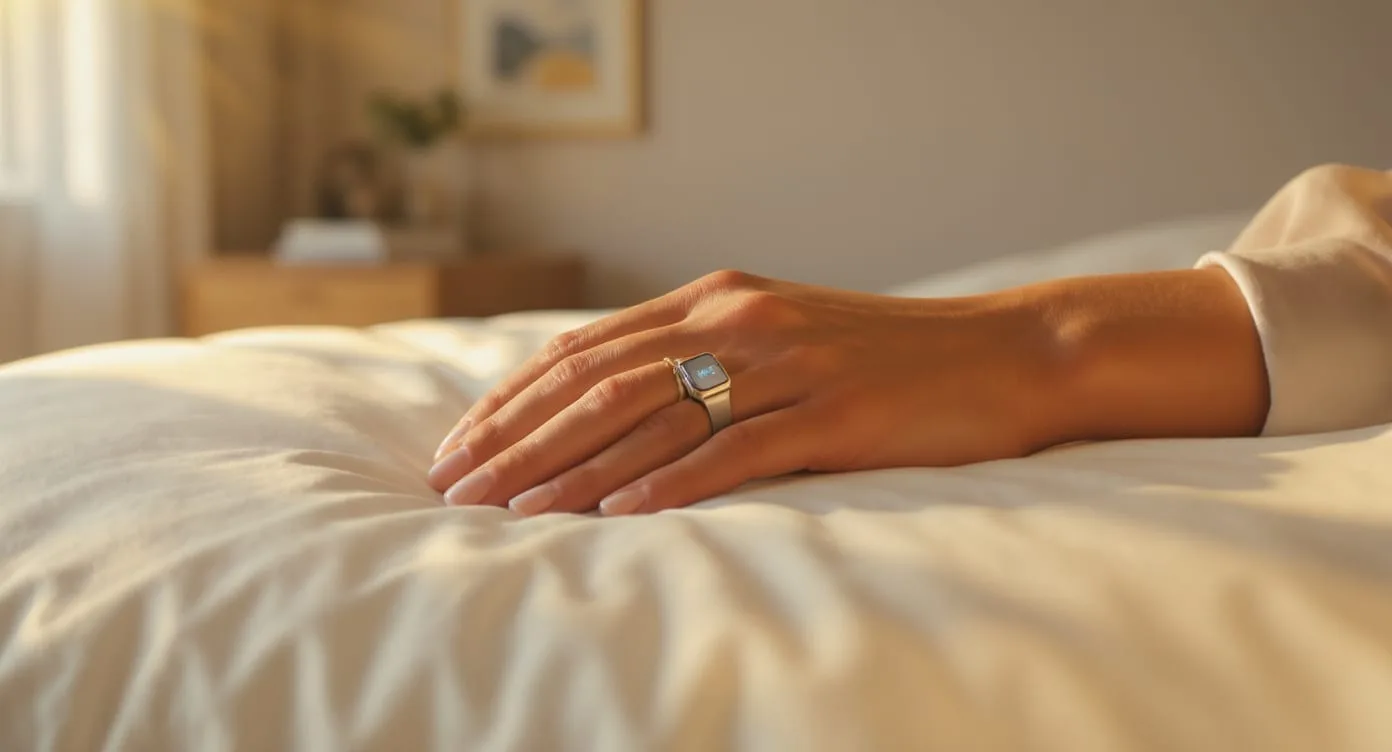
The Oura Ring Gen 3 sits at the intersection of two trends: the explosion of consumer wearable health tech, and the growing scientific interest in using wearables for sleep research. It's one of the few consumer devices with multiple peer-reviewed validation studies against the gold standard (polysomnography), and it's the most-discussed sleep tracker in research-oriented communities.
This review synthesizes what verified buyers consistently report about the device across major retailers and the Oura community, cross-referenced with the published validation data and the practical realities of living with a ring tracker for months.
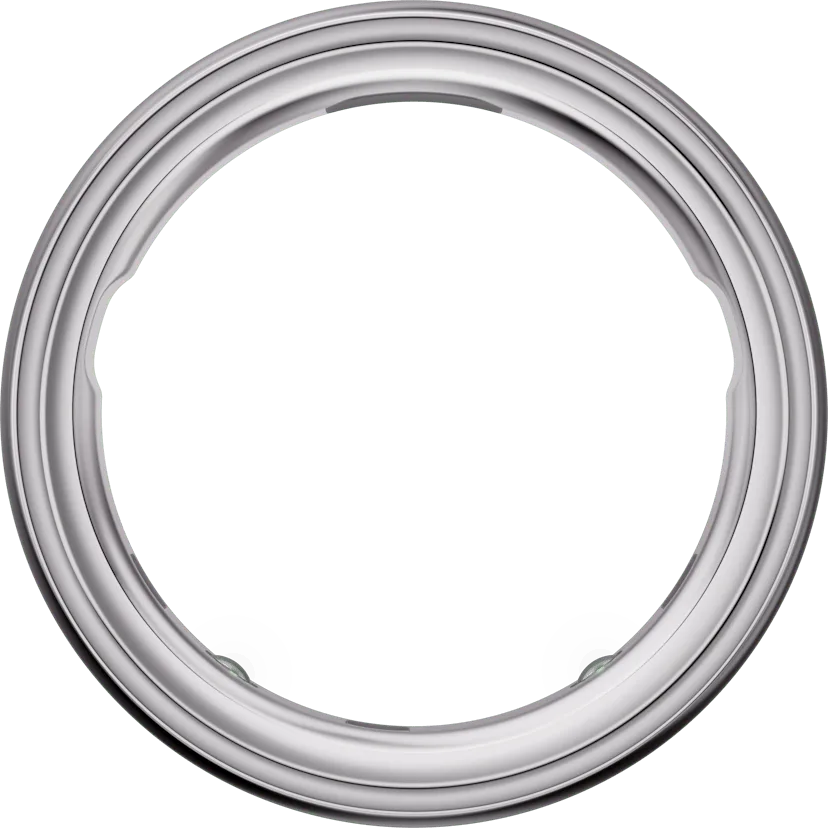
Oura
Oura Ring Gen 3
$299.00
Pros
- Validated against polysomnography in published studies
- Sleep stage breakdown and HRV trends
- Discreet ring form factor, multi-day battery
Cons
- Requires a monthly subscription for full insights
- No screen — must check the app
What makes the Oura different
Most consumer sleep trackers are wrist-based watches or straps. The Oura is a ring. This isn't just a form-factor gimmick — it affects the data in a meaningful way.
The ring sits on the finger, where the skin is thin and the arteries are superficial. This gives the optical heart rate sensor a cleaner signal than most wrist-based devices, where sensor readings are affected by wrist bone structure, hair, and the looseness of the strap. Several researchers have noted that the finger's arterial access is one of the reasons the Oura performs well in validation studies.
The trade-off: no screen. Everything is viewed in the app. You can't glance at your ring to see your readiness score — you have to pick up your phone. For some users, this is a feature (no distracting wrist notifications). For others, it's a frustration.
What the validation research shows
A 2019 study by de Zambotti et al. published in Behavioral Sleep Medicine compared the Oura Ring (Gen 2, predecessor to Gen 3) against polysomnography. The findings:
- Total sleep time accuracy: moderate agreement, with the Oura slightly overestimating total sleep time.
- Sleep stage detection: the Oura showed reasonable accuracy for detecting wake vs. sleep, and moderate accuracy for deep vs. light sleep classification. REM detection was less consistent.
- Heart rate and HRV: strong correlation with clinical-grade ECG measurements during sleep.
Gen 3 added new sensors (blood oxygen, temperature sensing) and improved algorithms. Oura has published additional validation data showing improvements, though independent replication by outside researchers is still limited.
What owners consistently like
The ring form factor
This is the #1 cited reason for choosing Oura over wrist-based alternatives. Owners describe it as:
- Unobtrusive during the day and completely invisible during sleep
- Comfortable enough to forget you're wearing it
- Socially acceptable in a way that a fitness band isn't (it looks like jewelry)
The form factor is the primary reason many owners stick with the Oura long-term after abandoning wrist-based trackers.
Multi-day battery life
Most owners report 4–7 days between charges, depending on usage. This means the ring is almost always on your finger — which means the data is almost always continuous. Wrist devices that need daily or every-other-day charging inevitably produce gaps.
Sleep stage breakdown
The nightly sleep summary shows time in light, deep, and REM sleep, plus awake time, sleep latency, and sleep efficiency. While individual-night accuracy is approximate (as with all consumer devices), week-over-week trends in sleep staging are genuinely useful for identifying the impact of behavioral changes.
HRV and resting heart rate trends
These two metrics are the most actionable data points for most users. Elevated resting HR and suppressed HRV are correlated with alcohol use, stress, illness onset, and insufficient recovery — and the Oura tracks both during sleep with strong correlation to clinical-grade measurements.
What owners consistently complain about
The subscription
This is the dominant complaint in negative reviews. The Oura Gen 3 requires a monthly subscription (~$6/month) for full access to the app's insights. Without it, you see basic data but lose sleep stage breakdowns, detailed trends, and most of the features that make tracking useful.
The controversy: Gen 2 owners had lifetime access without a subscription. The switch to a subscription model with Gen 3 alienated a significant portion of the existing user base and remains the most common source of 1-star reviews.
Sizing uncertainty
The ring comes in sizes, and Oura ships a sizing kit before you order the actual ring. But the process adds 1–2 weeks to delivery, and some buyers report that the fit changes slightly over time (especially with temperature or hydration changes). A ring that's slightly loose at night can affect sensor contact and data accuracy.
No screen
For people used to glancing at an Apple Watch or Fitbit, the Oura's phone-only interface is an adjustment. You can't check your readiness score, heart rate, or activity without opening the app.
Accuracy limitations
Even with published validation, the Oura is an estimate — not a diagnosis. Some users become overly invested in nightly scores (see "orthosomnia" in our glossary), and a subset of negative reviews come from people who compared the Oura's sleep staging against another wearable and found discrepancies. This is expected — different devices use different algorithms and sensor positions, and none perfectly match PSG.
How to use the data well
This section exists because the most valuable thing about a sleep tracker isn't the tracker — it's the behavior change it enables.
- Watch weekly trends, not nightly scores. A single night's data is noisy. A two-week average is where real patterns emerge.
- Change one variable at a time. Move your caffeine cutoff 3 hours earlier for two weeks and watch what happens to your deep sleep average. Then change temperature. Then change bedtime. One variable per experiment.
- Use the data for conversations. If your Oura shows consistently low deep sleep or high nighttime HR, that's valuable context for a conversation with your doctor — but it's not a diagnosis.
- Take breaks. If you catch yourself stressing about your sleep score, hide it for a week. The data serves you — not the other way around.
Where to buy
Frequently asked
Is the subscription required?+
How accurate is it compared to the Apple Watch?+
What finger should I wear it on?+
Does it work for weightlifting?+
How long does the battery actually last?+
References
- de Zambotti M et al. The Sleep of the Ring: Comparison of the OURA Sleep Tracker Against Polysomnography. Behavioral Sleep Medicine, 2019.
- Altini M, Kinnunen H. The promise of sleep: a multi-sensor approach for accurate sleep stage detection using the OURA ring. Sensors, 2021.
Where to go next
Related findings.
 Lab Report
Zinus Green Tea Memory Foam Mattress Review: The $400 Mattress Most People Actually Need
A detailed review of the Zinus 12-Inch Green Tea Memory Foam Mattress — the most-reviewed budget mattress on Amazon, and why it satisfies 80% of sleepers at 25% of the premium price.
Yogasleep Rohm Travel White Noise Machine Review: The Pocket-Sized Sleep Saver
A detailed review of the Yogasleep Rohm — portability, battery life, sound quality, and how it compares to plug-in alternatives.
 Lab Report
Yogasleep Dohm Review: The 60-Year-Old Design That Still Wins
A detailed review of the Yogasleep Dohm — why a real-fan noise machine from 1962 still outsells digital alternatives, and who it's for.