The Best Sleep Trackers in 2026
A curated guide to the most accurate, useful, and well-reviewed sleep trackers — with a focus on what the data is actually good for and where it falls short.
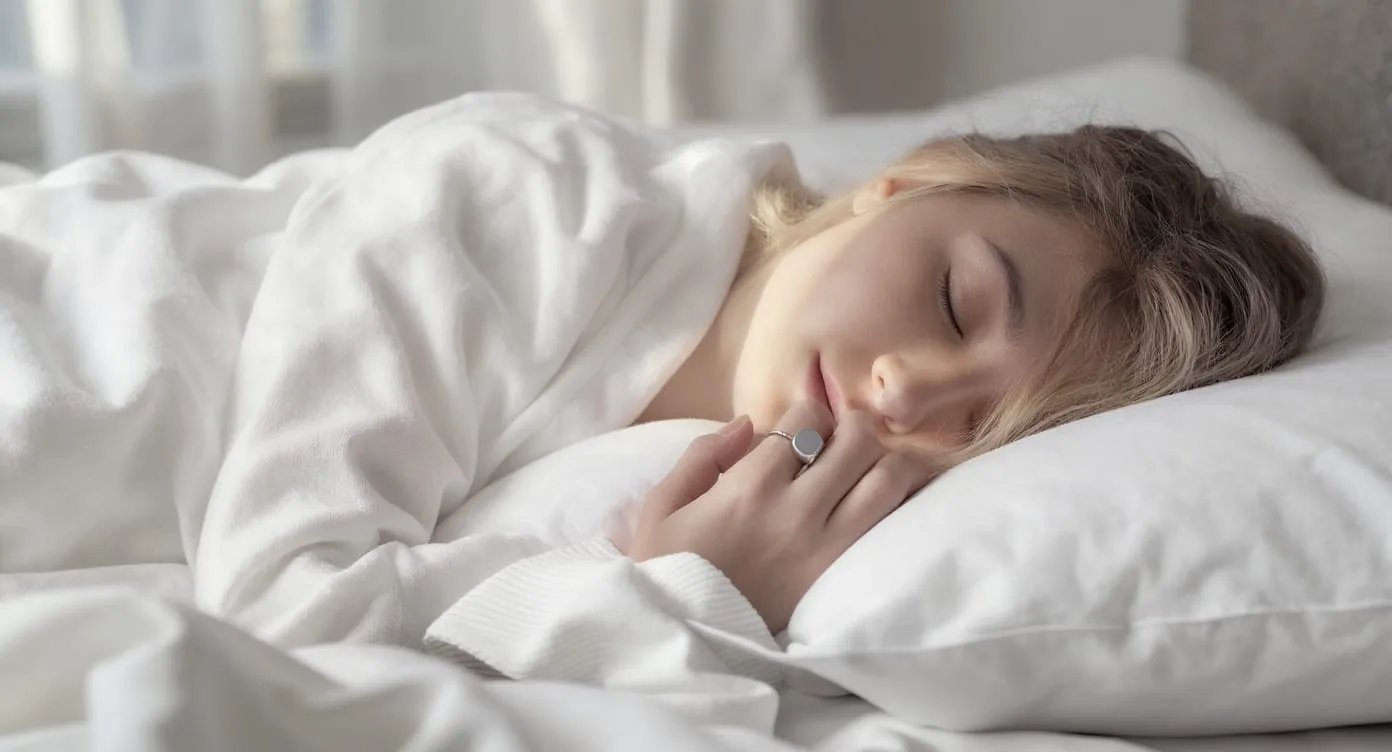
Sleep trackers are one of the most polarizing categories in consumer health tech. When used well, they provide a feedback loop that helps you see the impact of behavioral changes (caffeine timing, bedroom temperature, consistent wake time) across weeks of data. When used poorly, they produce anxiety, obsessive score-checking, and a phenomenon researchers now call orthosomnia — sleep-tracking-induced insomnia.
This guide covers the four devices that consistently lead verified buyer reviews and independent comparisons, what the actual research says about their accuracy, what the data is genuinely useful for, and what its limits are.
What matters in a sleep tracker
We weighted three things heavily in building this shortlist:
1. Published validation against polysomnography
Consumer wearables estimate sleep stages using heart rate, heart rate variability (HRV), motion, and skin temperature. The gold standard for sleep measurement is polysomnography (PSG) — a clinical sleep study that uses EEG, EMG, and EOG. The question for any wearable is: how close does it get?
A few consumer devices now have at least one peer-reviewed study comparing their output to PSG. This matters because marketing claims like "tracks deep sleep" are meaningless without validation data. We prioritized devices with published validation.
2. Practical usability
A sleep tracker you don't wear consistently produces no useful data. Battery life, comfort, form factor, and how the app presents information all affect whether people actually maintain the habit past the first week. Verified buyer reviews reveal these patterns faster than spec sheets.
3. Long-term owner satisfaction
First-week enthusiasm is cheap. We looked specifically at review patterns from owners who've had the device for months — focusing on durability, software update quality, and whether the data insights continue to feel useful after the novelty wears off.
At a glance
1. Oura Ring Gen 3 — Most Validated
The Oura Ring is one of the few consumer wearables with multiple peer-reviewed studies comparing its sleep stage detection against polysomnography. A 2023 study published in Sleep found moderate agreement for total sleep time and sleep efficiency, with lighter accuracy for individual stage classification (a limitation shared by all optical wearables). It's the most-discussed sleep tracker in research-oriented sleep communities for that reason.
What owners consistently like
- Ring form factor. A ring is far less obtrusive than a wrist strap or watch, and many owners specifically cite it as the reason they stuck with tracking after abandoning other devices.
- Multi-day battery. 4–7 days between charges means it's rarely off your finger and the data is rarely interrupted.
- Sleep stage breakdown. Deep, REM, and light sleep estimates are presented alongside HRV, resting heart rate, and body temperature trends.
- Readiness and sleep scores. While the scores themselves should be taken as rough estimates (not clinical measurements), they give many users a useful gut-check on recovery.
What owners consistently complain about
- Subscription requirement for full insights. The app shows basic data without a subscription, but detailed trends, sleep stage breakdowns, and most of the insights that make tracking useful sit behind a monthly fee. This is the most common complaint in 1- and 2-star reviews.
- Sizing uncertainty. The ring requires a sizing kit and there's no try-before-you-buy, which makes some buyers anxious about fit.
- No screen. All interaction happens in the app, which means you need your phone to check anything.
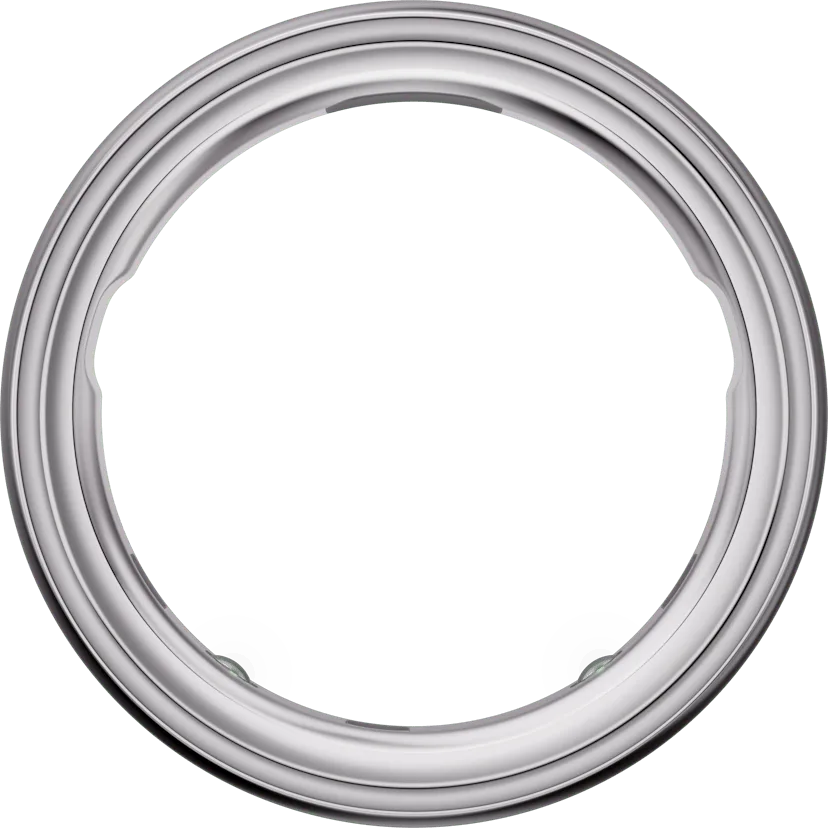
Oura
Oura Ring Gen 3
$299.00
Pros
- Validated against polysomnography in published studies
- Sleep stage breakdown and HRV trends
- Discreet ring form factor, multi-day battery
Cons
- Requires a monthly subscription for full insights
- No screen — must check the app
2. Fitbit Charge 6 — Best Mainstream Pick
The Fitbit Charge 6 is the most accessible serious sleep tracker on the market. Unlike the Oura's ring form factor, it's a slim wrist band — and unlike subscription-only competitors, it gives you most of the meaningful data without paying anything extra. It's the device that consistently leads verified buyer reviews for value, ease of use, and battery life.
What owners consistently like
- 6+ day battery life. This matters more than people realize — a tracker that needs daily charging inevitably produces gaps in your data. The Charge 6 is rarely off your wrist.
- Sleep stage detection plus a daily Sleep Score. The morning summary gives you a single number you can track over weeks, plus a breakdown of light, deep, and REM time.
- Heart rate, SpO2, and stress tracking. Beyond sleep, the Charge 6 tracks the broader metrics that affect recovery — resting heart rate, heart rate variability, and breathing rate.
- Slim profile. Lighter and less obtrusive than smartwatches, comfortable for nightly wear.
What owners consistently complain about
- Premium subscription gates the best insights. The basics are free, but the deeper trends, sleep coaching, and personalized programs are part of Fitbit Premium ($9.99/month).
- Smaller display than smartwatch alternatives. Fine for glancing at notifications, less useful for full app interactions.
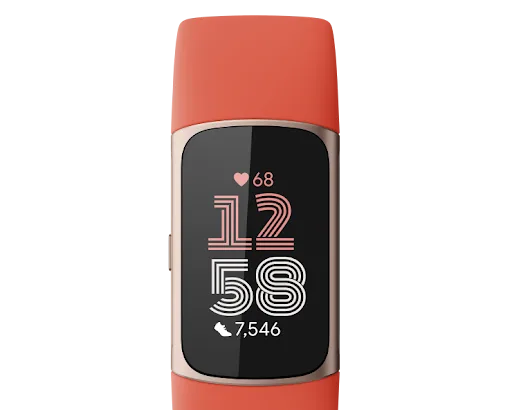
Fitbit
Fitbit Charge 6
$159.95
Pros
- Sleep stages, heart rate variability, and SpO2 tracking
- 6+ day battery life — wear continuously without charging interruptions
- Sleep Score with morning summary
Cons
- Requires Premium subscription for full insights
- Smaller display than smartwatch alternatives
3. WHOOP 4.0 — Best for Recovery-Focused Tracking
WHOOP takes a fundamentally different approach than Oura or Fitbit: it's a subscription-only membership ($30/month) that includes the hardware. There's no one-time purchase option. What you get in return is the most recovery-focused sleep platform available — strain scores, recovery readiness, and sleep performance metrics that are specifically designed for people who train hard and want to optimize recovery through sleep.
What owners consistently like
- Strain and recovery model. WHOOP tracks daily exertion (strain) and overnight recovery as a single feedback loop. The morning recovery score tells you how much your body can handle today based on last night's sleep — a framework athletes and heavy exercisers find more actionable than a generic sleep score.
- Continuous HRV and respiratory rate. Tracks heart rate variability and breathing rate through the full night, not just snapshots.
- 33% smaller than WHOOP 3.0. The 4.0 is genuinely unobtrusive on the wrist.
- 5-day battery with slide-on charger. Charges while you wear it — no data gaps.
- Peer-reviewed validation. Published studies in Journal of Sports Sciences comparing WHOOP against polysomnography.
What owners consistently complain about
- Subscription-only model. $30/month adds up to $360/year. Over a few years, this exceeds the cost of any competitor. The most common complaint by far.
- No screen. All data is phone-app only. You can't glance at your wrist for anything.
- Less useful for non-athletes. The strain/recovery model is built for people who exercise regularly. Sedentary users find the data less actionable.
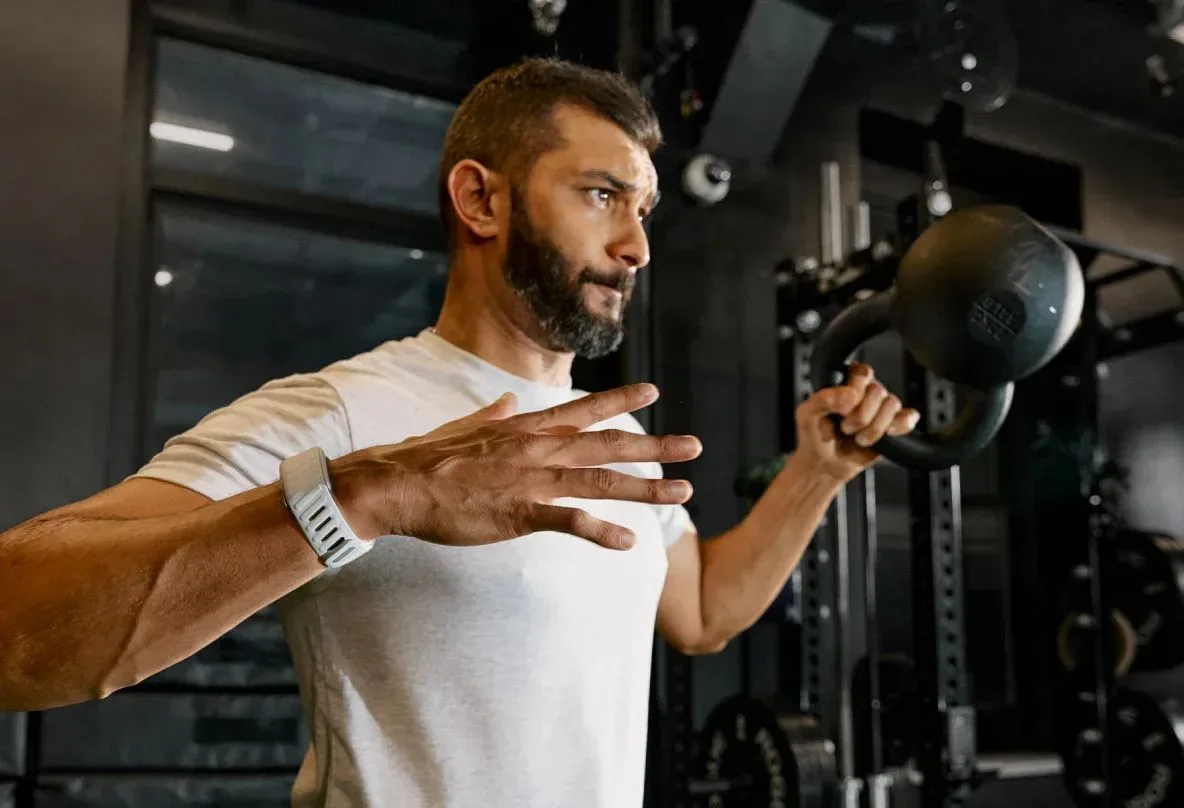
WHOOP
WHOOP 4.0
$30.00/mo
Pros
- Continuous HRV, respiratory rate, and sleep stage tracking
- 33% smaller than previous generation with 5-day battery
- Strain and recovery scores validated against peer-reviewed studies
Cons
- Subscription-only model — no one-time purchase option
- No screen — all data accessed through phone app
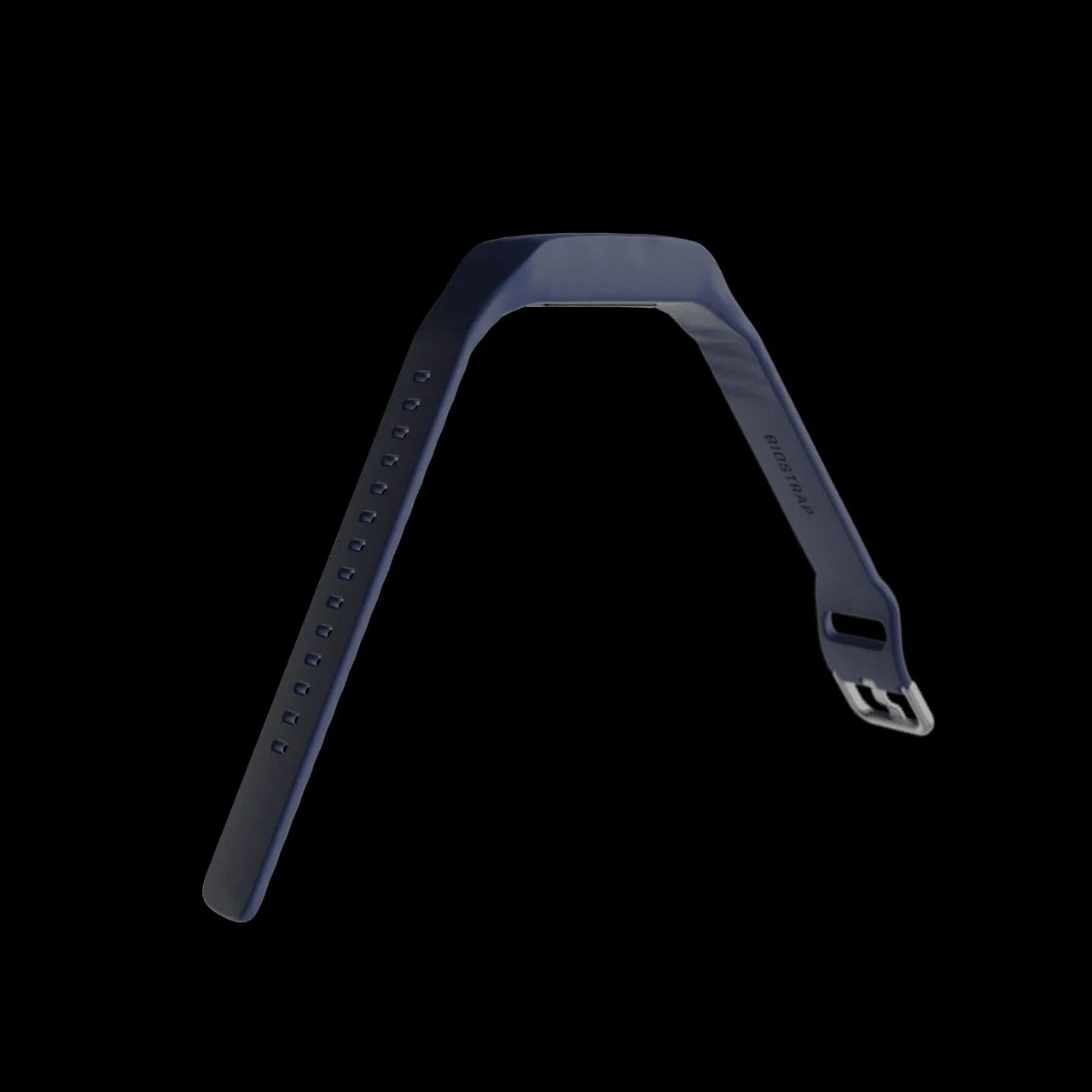
4. Biostrap EVO — Best for Raw Biometric Data
The Biostrap EVO occupies a niche between consumer wearables and clinical devices. It uses a red and infrared PPG sensor (similar to pulse oximeters) that captures raw waveform data at much higher resolution than typical wrist-based green-light sensors. For users who want granular biometric data — not just summary scores — Biostrap is the most data-rich consumer option available.
What owners consistently like
- Clinical-grade sensor. The infrared/red light combination penetrates deeper than green-light wrist sensors, producing cleaner signals less affected by skin pigmentation and motion artifact.
- Raw data access. Unlike competitors that only show processed scores, Biostrap lets you see the underlying waveforms and detailed metrics.
- No subscription for core data. Sleep stages, HRV, respiratory rate, and SpO2 are all included at purchase. No monthly fee for the sleep tracking features most users want.
- Sleep staging and recovery. Provides sleep stage breakdown, recovery scores, and trend analysis comparable to mainstream competitors.
What owners consistently complain about
- Smaller ecosystem. Fewer integrations, smaller community, and less polished app than Fitbit or Oura.
- Bulkier design. The sensor module is larger than a Fitbit band or Oura ring.
- Niche appeal. Most casual sleep trackers won't use the raw data features that justify the price.
Biostrap
Biostrap EVO
$174.99
Pros
- Clinical-grade PPG sensor with red and infrared light
- Captures raw biometric waveforms, not just summary metrics
- No subscription required for core sleep and recovery data
Cons
- Bulkier than mainstream wrist wearables
- Smaller app ecosystem than Fitbit or Oura
What to actually do with sleep tracker data
This is the most important section in this article. A tracker is only as useful as the behavior it changes. Here's a framework that consistently shows up in sleep-science discussions about consumer wearable data:
Track trends, not nights
Individual night scores are noisy. Even PSG-grade equipment produces different numbers on consecutive nights under identical conditions, because sleep itself varies. Consumer wearables add an extra layer of measurement error on top of that natural variability.
The value is in weekly averages. When you change a variable — say, cutting caffeine four hours earlier — look at your average deep sleep percentage across the next two weeks, not tonight's number. That's where real patterns emerge.
One variable at a time
If you change caffeine timing, bedroom temperature, and bedtime all in the same week, you can't tell which variable drove the change in your data. Pick one. Hold the rest constant. Give it two weeks. Then move to the next one.
Don't chase a perfect score
Use the data to have a better conversation with a doctor
If you suspect a sleep disorder — especially sleep apnea — wearable data can be a useful starting point for a conversation with a sleep specialist. It's not diagnostic (no consumer wearable can diagnose apnea), but patterns like consistently low deep sleep, frequent night-time HR spikes, or low overnight SpO2 can strengthen the case for a clinical sleep study.
Limitations every owner should know
- Stage accuracy is approximate. Even the best consumer wearables don't match polysomnography perfectly. Optical heart rate sensors and accelerometers are indirect proxies for the brain activity (EEG) that actually defines sleep stages. The result is a useful estimate, not a clinical measurement.
- They can't detect sleep apnea reliably. A low overnight SpO2 reading or a snoring index might prompt you to see a doctor, but no consumer wearable should be trusted to rule apnea in or out. That requires a real sleep study.
- HRV and resting heart rate take time. Single-night readings are noisy and easily influenced by hydration, alcohol, late meals, and even sleeping position. Most insights only become reliable after two to four weeks of baseline data.
- Accuracy varies by individual. Skin tone, wrist/finger anatomy, and how well the device fits all affect optical sensor accuracy. Published validation studies use group-level statistics; your individual accuracy may differ.
Frequently asked
Are sleep trackers worth it?+
Which is more accurate, Oura or Whoop?+
Can a sleep tracker replace a sleep study?+
What about the Apple Watch or Fitbit?+
Should I wear a tracker every night forever?+
References
- de Zambotti M et al. The Sleep of the Ring: Comparison of the OURA Sleep Tracker Against Polysomnography. Behavioral Sleep Medicine, 2019.
- Miller DJ et al. A validation study of the WHOOP strap against polysomnography to assess sleep. Journal of Sports Sciences, 2020.
- Baron KG et al. Orthosomnia: Are some patients taking the quantified self too far? Journal of Clinical Sleep Medicine, 2017.
Where to go next
Related findings.
 Edge Pick
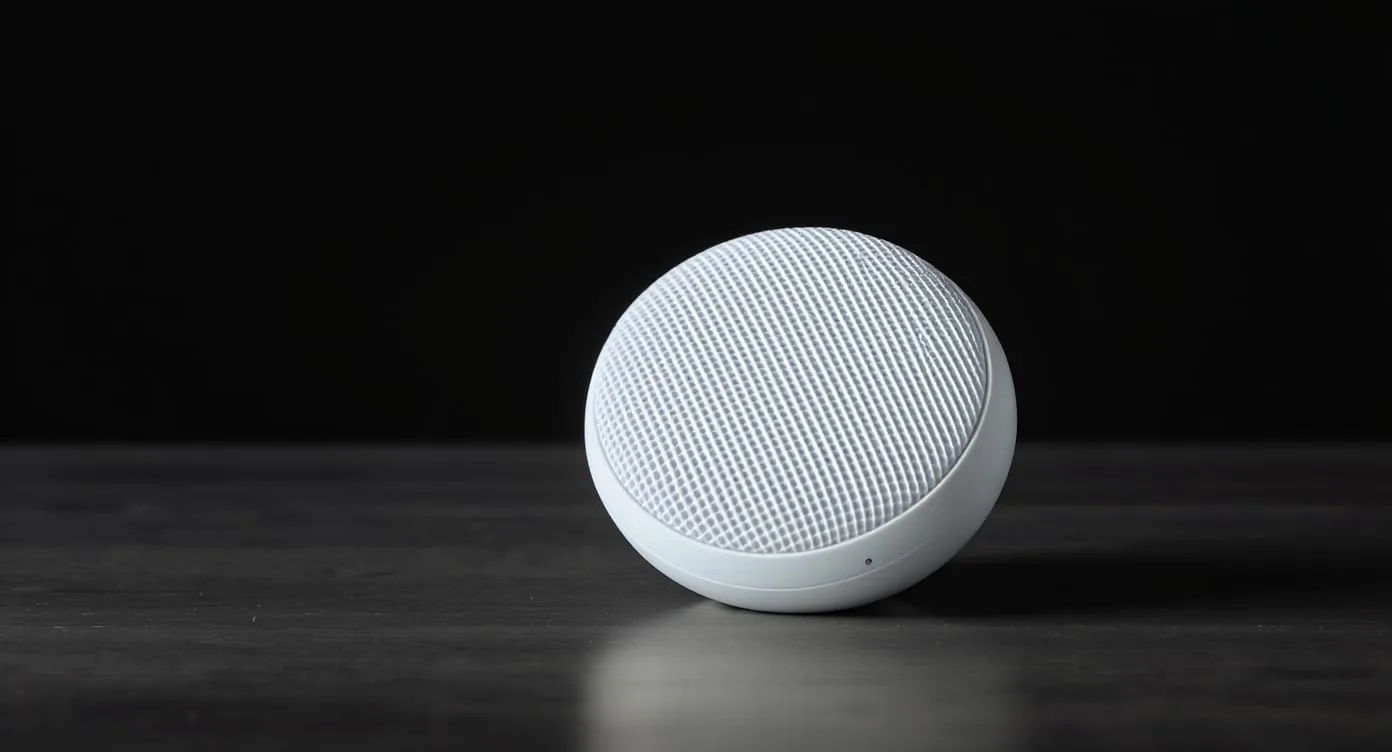
The Best White Noise Machines for Tinnitus in 2026
Tinnitus at night is relentless. The right masking sound can make sleep possible again. Here's what customers with tinnitus consistently rate highest for nighttime use.
 Edge Pick
The Best Weighted Blankets for Deep Sleep (2026)
What the research says about weighted blankets for sleep and anxiety — plus the two products verified buyers consistently rate highest.
 Edge Pick
The Best Weighted Blankets for Anxiety in 2026
Weighted blankets use deep pressure stimulation to calm the nervous system — a technique originally developed for anxiety and sensory disorders. Here's what customers rate highest.