The Best Sleep Apps in 2026 (Free and Paid)
From sleep tracking to wind-down meditations to white noise — the apps that consistently top user reviews and what each one is actually best for.
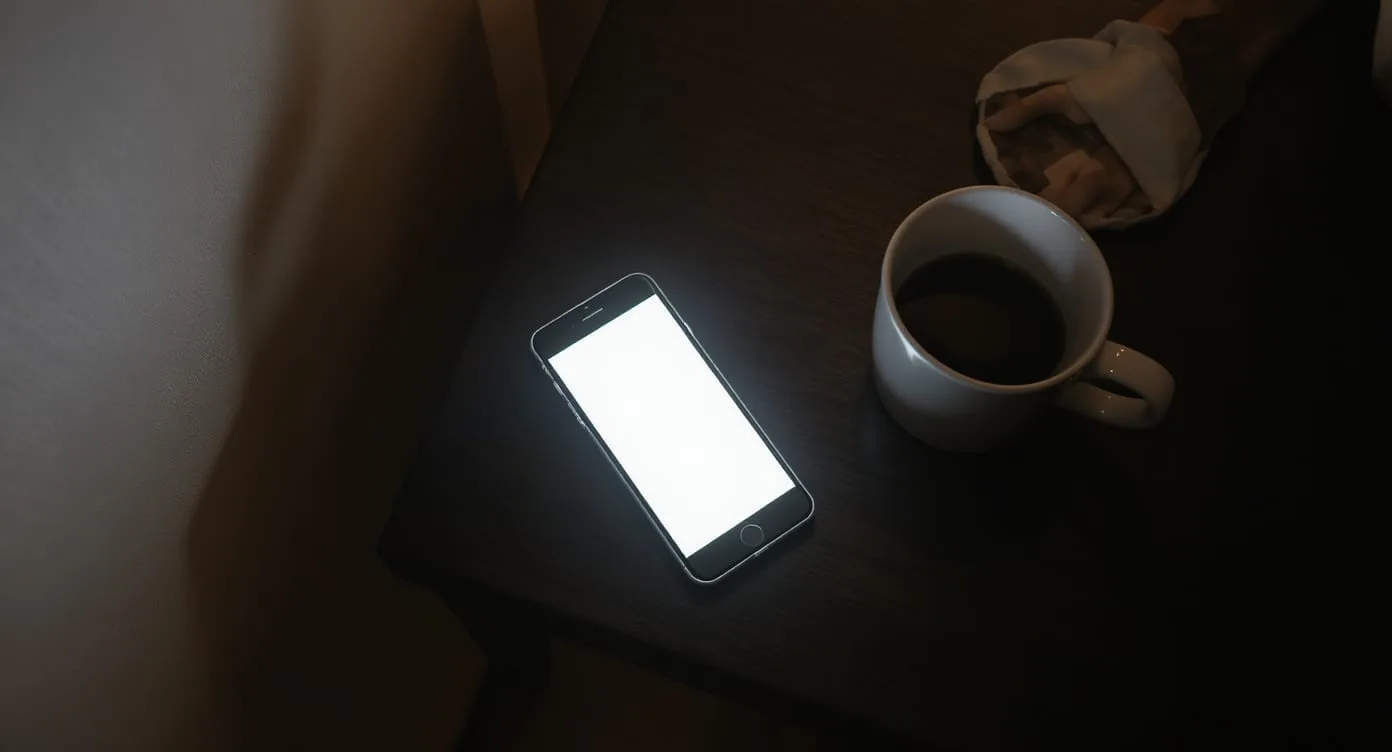
The sleep app market is enormous and confusing. Search "sleep app" in either store and you'll get thousands of results, ranging from genuinely useful tools backed by clinical research to repackaged white-noise loops with subscription paywalls. The good news: a small number of apps consistently rise to the top of user reviews and are recommended by sleep specialists, and those few cover most use cases.
This guide breaks the category into the four jobs apps actually do, and recommends the best app for each one based on verified user ratings, expert recommendations, and what each app is genuinely good at versus where it falls short.
The four jobs sleep apps actually do
Most apps mix these together, but the categories are distinct:
- Sleep tracking — measuring how long and how well you sleep using your phone's microphone, accelerometer, or a connected wearable
- Wind-down content — meditations, sleep stories, breathing exercises, and ambient sounds to help you fall asleep
- White noise / soundscapes — background audio that masks environmental noise
- CBT-I (insomnia therapy) — structured digital programs that walk you through cognitive behavioral therapy for insomnia
Pick the app for the job, not the app with the most features.
1. Best for sleep tracking: AutoSleep (iOS)
AutoSleep is a one-time-purchase ($4.99) sleep tracking app that uses your Apple Watch (or iPhone alone in pinch mode) to track sleep without requiring a manual start. It's been the top-rated sleep tracker on the iOS App Store for years.
Why it wins:
- Automatic. No "I'm going to bed" button. It detects sleep onset from Apple Watch sensors.
- One-time purchase. $4.99 forever vs. monthly subscriptions for competitors.
- Detailed metrics. Sleep stages, heart rate, HRV, deep sleep, time in bed, awake time, sleep debt — all in clear visualizations.
- Apple Health integration. Data flows back into Health for use with other apps.
Trade-offs:
- iOS only (Android users should look at Sleep as Android instead)
- Best with an Apple Watch — phone-only mode is less accurate
Android equivalent: Sleep as Android — similar features, also one-time purchase ($5.99 after free trial).
2. Best for wind-down content: Calm or Headspace
This is essentially a tie between two well-funded competitors with similar quality. Both have:
- Hundreds of guided meditations and breathing exercises
- Sleep stories narrated by celebrities and well-known voices
- Background music and ambient sounds
- Sleep-specific programs and courses
Calm tends to win on sleep-focused content (more sleep stories, the famous Stephen Fry / Matthew McConaughey narrations) while Headspace wins on structured meditation programs and a slightly more clinical voice.
Pricing: Both run ~$70/year. Both offer free trials.
Honest take: If you only want the sleep content, Calm. If you also want a meditation practice for daytime use, Headspace. If you can't decide, take advantage of the free trials on both before committing.
3. Best for white noise: Rain Rain or Dark Noise
Both apps deliver high-quality looping ambient sound without the subscription fatigue of larger meditation apps.
Rain Rain (free with optional one-time purchases): Hundreds of rain, thunder, fireplace, and nature sound variations. Mix sounds, set timers, and run in the background. The free version is genuinely usable.
Dark Noise ($6.99 one-time, iOS): Cleaner interface, designed by a developer who prioritizes audio quality over content variety. Includes color noises (white, brown, pink) and textured environmental sounds.
Why use a dedicated app vs. a sound machine?
- Apps are free or one-time purchase — cheaper than a $50+ machine
- More variety than any single hardware machine
- Travel-friendly (you already have your phone)
Why a sound machine still wins for nightly use:
- Doesn't require keeping your phone in the bedroom
- Doesn't drain phone battery
- A dedicated speaker sounds richer than phone audio
For most people, the right answer is: use an app for travel, and a hardware sound machine like the Yogasleep Dohm for nightly home use.
4. Best for CBT-I (insomnia treatment): CBT-i Coach (free, VA)
This is the most under-utilized app in the entire sleep app category. CBT-i Coach is a free app developed by the U.S. Department of Veterans Affairs based on clinically-validated CBT-I protocols. It guides you through:
- Sleep diary tracking
- Sleep restriction therapy (the most effective component of CBT-I)
- Stimulus control techniques
- Cognitive restructuring exercises
- Relaxation training
Why it's special:
- Free and ad-free. Funded by the VA, not a private company.
- Evidence-based. Built on CBT-I, the gold-standard treatment for insomnia.
- Designed for self-guided or therapist-supervised use. You can use it alone or alongside professional treatment.
Trade-offs:
- The interface is utilitarian, not polished. This is a clinical tool, not a lifestyle app.
- Requires effort. Like all CBT-I, the techniques work because you do them — not because you open the app.
If you have chronic insomnia and you're considering paying $80+/month for a sleep coaching app, try CBT-i Coach first. It costs nothing, has stronger published evidence, and may be all you need.
Paid CBT-I alternatives (when you want hand-holding):
- Sleepio ($400/year, prescription-only in some regions): Highly polished CBT-I program, NHS-approved in the UK
- Somryst (prescription only, US): FDA-cleared digital therapeutic for chronic insomnia
Apps to avoid (or use with caution)
Apps that promise to "score" your sleep and make you feel guilty
A daily score that fluctuates based on noisy wearable data is one of the most reliable producers of orthosomnia — sleep-tracking-induced anxiety. If watching your score is making you stressed about sleep, hide it or use the app for trends only. See our sleep tracker roundup for more on this.
Apps that gate basic functionality behind subscriptions
The sleep app category has an unhealthy obsession with subscription monetization. If you can't see total sleep time without paying, the app isn't worth it — that's a basic feature that should be free.
Brain entrainment / binaural beats apps
The published evidence for binaural beats improving sleep is weak. Some users report benefit; the placebo effect is plausible. Don't pay much for them.
Frequently asked
Do I need a sleep app if I have an Oura ring or Whoop?+
Can a phone-only app accurately track my sleep?+
Should I pay for Calm or Headspace?+
Are sleep apps safe to keep next to me at night?+
Will these apps work offline?+
Where to go next
- Best sleep trackers (hardware)
- Best sleep trackers
-
Best sunrise alarm clocks- Sleep and anxiety guide (CBT-I context)
- Yogasleep Dohm review (hardware white noise)
- Take the Sleep Edge Quiz
Related findings.
 Edge Pick
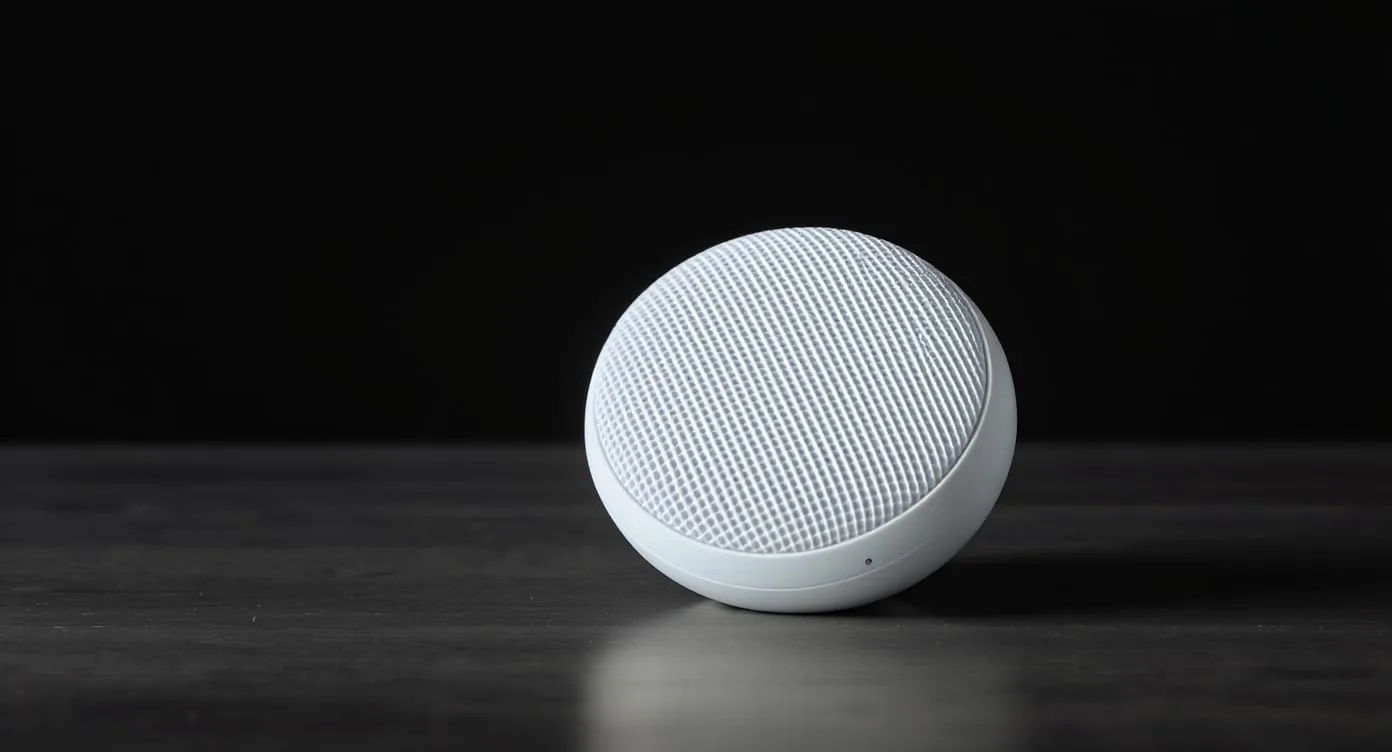
The Best White Noise Machines for Tinnitus in 2026
Tinnitus at night is relentless. The right masking sound can make sleep possible again. Here's what customers with tinnitus consistently rate highest for nighttime use.
 Edge Pick
The Best Weighted Blankets for Deep Sleep (2026)
What the research says about weighted blankets for sleep and anxiety — plus the two products verified buyers consistently rate highest.
 Edge Pick
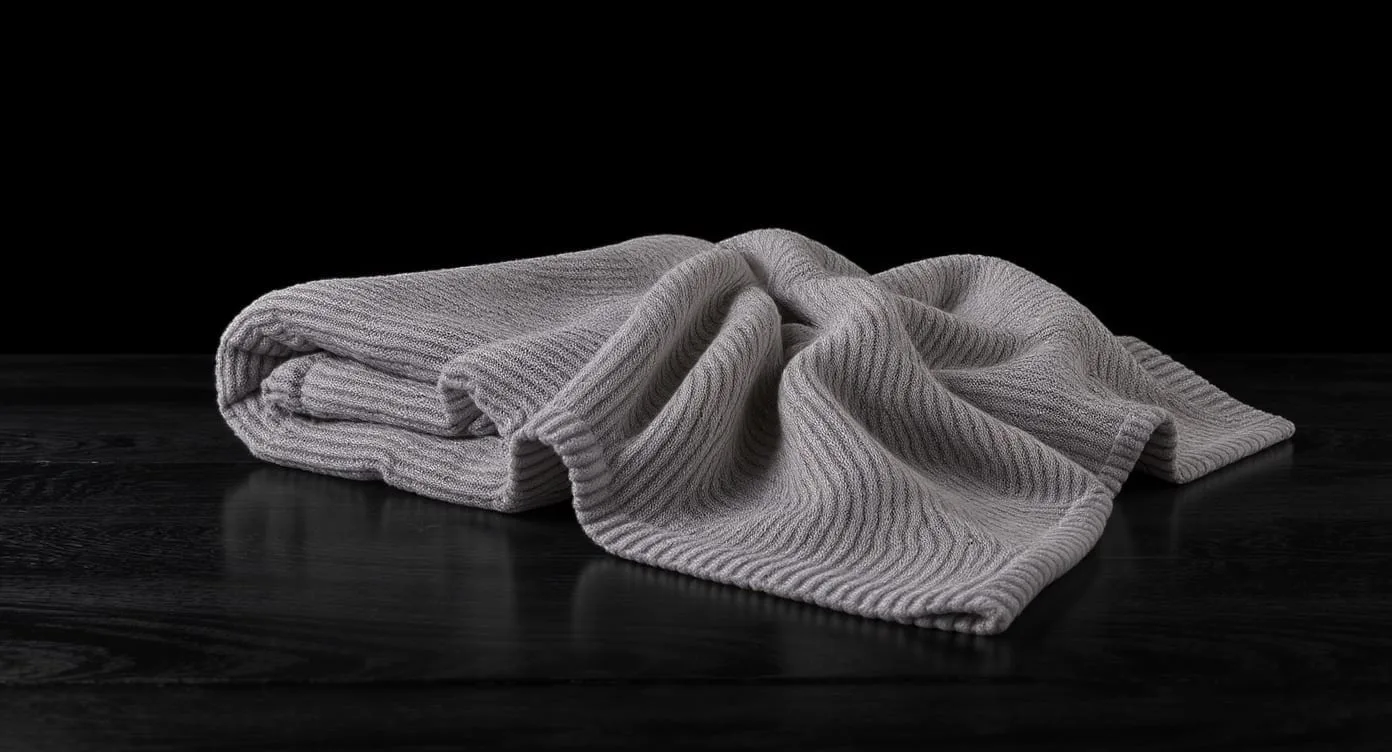
The Best Weighted Blankets for Anxiety in 2026
Weighted blankets use deep pressure stimulation to calm the nervous system — a technique originally developed for anxiety and sensory disorders. Here's what customers rate highest.