The Best Sleep Products for Anxiety in 2026
Products won't cure anxiety-driven insomnia, but the right environment tools can quiet the body enough for sleep to take over. Here's what helps and why.
We earn a commission if you buy through links on this page, at no extra cost to you. Picks are based on buyer reviews and specs; we don't test products ourselves. How we work
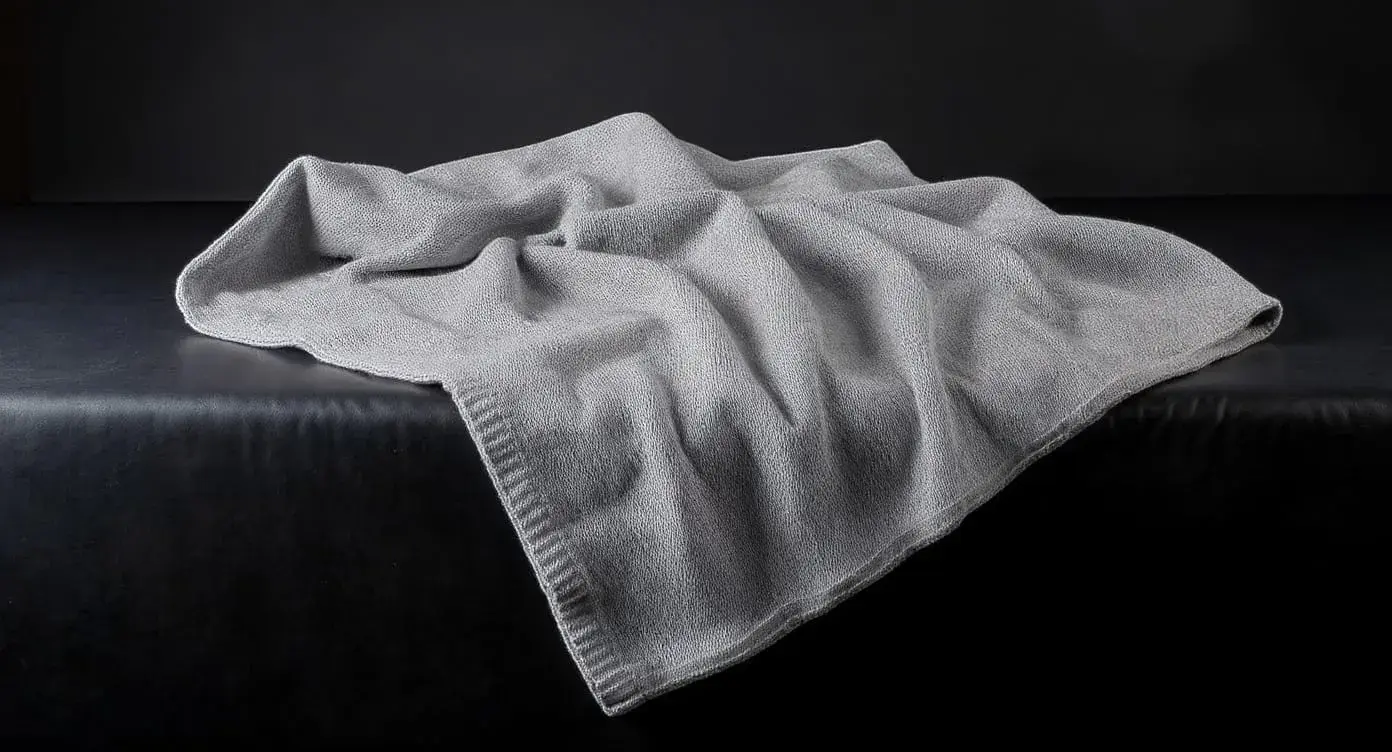
Anxiety insomnia is different from other types. Your body is tired — you know you need to sleep — but your brain is running a loop of worst-case scenarios, tomorrow's to-do list, that thing you said 6 years ago, and random dread. No product cures this. But the right combination of environmental interventions can do something important: give your body fewer reasons to stay alert so natural sleep pressure can override the anxiety. Dark room (mask), quiet room (sound machine), gentle calming (weighted blanket), consistent wind-down (smart alarm routine) — each one removes one alerting input.
This guide covers five products that each target one of those alerting inputs. They aren't cures, but together they can shorten the stretch of lying awake that anxious sleepers know too well.
Why environmental interventions matter for anxiety
Anxiety keeps you awake by maintaining your sympathetic nervous system (fight-or-flight) at a level that overrides your natural sleep pressure. Your body wants to sleep — your brain won't let it.
Environmental interventions work because they address the physical alerting signals that keep the sympathetic system active. Each one you eliminate makes it slightly easier for sleep pressure to win:
- Light → alerting. Even small amounts of ambient light signal "daytime" to the hypothalamus. Remove it and one alerting channel goes quiet.
- Intermittent noise → alerting. Sudden sounds activate the startle response. Mask them with consistent broadband noise and the auditory system stops triggering alerts.
- Body tension → arousal. Many people find gentle, even pressure on the body calming. The evidence is still limited, but it's a low-risk thing to try.
- No routine → no transition. Without a consistent signal that day is ending, the brain stays in problem-solving mode. A consistent wind-down routine provides that signal.
Each product in this guide handles one of these channels.
1. Bearaby Cotton Napper — Best for Calming the Body

Bearaby
Bearaby Cotton Napper (15 lb)
Pros
- Organic cotton — no beads, no plastic fill
- Chunky-knit design is breathable and machine washable
- Evenly distributed weight without shifting
Cons
- Premium pricing for the weight class
- Limited color options
Weighted blankets are a common non-drug recommendation for anxiety-related insomnia, and the Bearaby Cotton Napper is our pick because it breathes. Many anxious sleepers also run warm, and a polyester-covered beaded blanket that traps heat creates a new alerting signal while trying to solve the old one.
Why the Bearaby suits anxious sleepers
- Deep pressure without heat. The defining advantage. Chunky knit breathes; polyester beaded blankets don't.
- Calming effect within a session. Many owners describe feeling calmer soon after settling under it, and say the effect builds with consistent use.
- Doubles as daytime tool. Use it on the couch while watching TV, reading, or doing breathwork. The calming benefit isn't limited to bedtime.
- Organic cotton, no synthetics. For anxious sleepers who are also sensitive to synthetic materials, this matters.
2. Yogasleep Dohm — Best for Quieting the Room

Yogasleep
Yogasleep Dohm Classic
Pros
- Real fan-based white noise with natural texture
- Tunable pitch and tone
- Durable build, hand-assembled in the USA
Cons
- Single sound only — no nature or ambient options
- No timer or alarm
Many anxious sleepers are especially sensitive to intermittent noise — every creak, every car passing, every HVAC click can trigger a small startle that resets the falling-asleep process. The Dohm's real-fan white noise creates a consistent acoustic baseline that makes those sounds less noticeable.
What the Dohm does for a racing mind
- Prevents noise-triggered resets. The main benefit for anxious sleepers. The consistent broadband sound masks the intermittent noises that would otherwise restart the anxiety loop.
- No looping. Anxious brains are pattern-sensitive. Electronic sound machines with audible loops become another thing to fixate on. The Dohm's real fan has no loop.
- Simple. Plug in, turn on, forget it. No app, no menu, no decisions — which matters when your brain is already overwhelmed.
3. Manta Sleep Mask — Best for Removing Visual Alerting

Manta Sleep
Manta Sleep Mask
Pros
- Adjustable eye cups for total blackout
- Zero pressure on eyelids
- Modular and machine washable
Cons
- Bulkier than flat masks
- Strap can loosen over months of heavy use
For anxious sleepers, even the small amount of light that leaks past blackout curtains can keep the visual system alert enough to maintain wakefulness. The Manta's eye-cup design creates true darkness — not "mostly dark" like flat masks.
Why it helps
- True darkness. The eye cups seal around each eye independently. No light gets in from any angle.
- Comfortable enough to keep on. Anxious sleepers often toss and turn; the Manta stays in place through movement.
- Reduces the "checking the clock" habit. If you can't see the clock, you can't obsess about what time it is — which is one of the most common anxiety-insomnia loops.
4. Hatch Restore 2 — Best for Building a Wind-Down Routine

Hatch
Hatch Restore 2
Currently unavailable on Amazon (checked 2026-10-15)
Pros
- Programmable wind-down routines
- Gradual sunrise wake-up
- Wide library of sounds and meditations
Cons
- Premium content sits behind a subscription
- App required for setup
Anxious sleepers often have no transition between "full-speed day brain" and "try to sleep." The Hatch Restore 2's programmable wind-down routine creates an automatic transition: dim warm light starts at a set time, sleep sounds begin, the room shifts from "awake mode" to "sleep mode" without you making any decisions. For anxiety sufferers, removing the need to decide to wind down is itself a meaningful intervention.
Note: Hatch has since released the Restore 3 and no longer manufactures the Restore 2. The Restore 3 adds on-device controls for starting and pausing routines without the phone, re-engineered audio, and a larger sound library. The Restore 2 is now mainly sold through third-party sellers on Amazon. Some content requires a paid Hatch+ subscription.
What the Hatch automates
- Automated wind-down. Set it once, it runs every night. You don't have to remember, decide, or initiate — the routine just happens.
- Gradual light dimming. Mimics sunset, which is the circadian signal your brain needs to begin the melatonin cascade.
- Phone-free after setup. Removing the phone from the bedside removes the most common anxiety-trigger (doomscrolling, checking email, social comparison).
- Gentle wake-up. Sunrise light in the morning reduces the "alarm dread" that many anxious sleepers experience.
5. Moonbird Breathing Device — Best for Active Calming

Moonbird
Moonbird Breathing Device
Pros
- Tactile expansion guides breathing without screen use
- Built-in biofeedback sensor tracks heart rate variability
- Compact and portable for travel
Cons
- High price for a single-purpose breathing tool
- Requires companion app for guided sessions and data
Moonbird takes a different approach from the other products in this guide: instead of changing your environment, it actively guides your breathing through a handheld device that physically expands and contracts in your palm. You match your breath to the device's rhythm — inhale as it expands, exhale as it contracts. Slow, paced breathing like this is a well-established relaxation technique, and the tactile guidance means you don't need a screen or an app to follow along.
Where Moonbird stands out
- Tactile, not visual. No screen to look at, no light to stimulate your eyes. The device guides breathing through physical sensation alone, which makes it usable in the dark, in bed, with eyes closed.
- Built-in biofeedback. A heart rate sensor tracks your HRV in real time. You can see (via the companion app, if you choose) how your heart rate responds to the breathing exercise.
- Quick to use. Owners often describe feeling calmer after a short guided session, which makes it a good fit for the minutes before lights out.
- Portable. Small enough for travel. Fits in a pocket or nightstand drawer.
Trade-offs
- Expensive for a single-purpose device. It's a premium-priced investment for a breathing guide when free apps exist. The value is in the screen-free tactile experience.
- Requires active participation. Unlike a weighted blanket or sound machine (which work passively), the Moonbird requires you to actively follow the breathing pattern. Some anxious sleepers find this cognitively demanding when anxiety is peaking.
- App needed for sessions and data. While the device works standalone for basic breathing, guided sessions and HRV data require the companion app.
The anxiety sleep stack
Build in order of impact:
1. Weighted blanket (Bearaby). A passive tool that many owners find calming soon after lying down. 2. Sound machine (Dohm). Prevents noise-triggered anxiety spikes that restart the falling-asleep process. 3. Breathing device (Moonbird). Actively downregulates the nervous system through guided breathing. Best for the 10 minutes before sleep. 4. Sleep mask (Manta). Removes visual alerting and the clock-checking habit. 5. Smart alarm (Hatch). Builds the routine that prevents the day-to-night transition anxiety.
The full stack is a significant investment, so there's no need to buy it at once. Start with the weighted blanket or the sound machine (the two passive items most likely to help) and add the rest over time.
Frequently asked
Will a weighted blanket actually help with anxiety?+
What's the single best product for anxiety insomnia?+
Do I need all five products?+
Can products replace therapy for anxiety?+
Where to go next
Related findings.
- Hatch Restore 2 vs. Loftie Clock
- Yogasleep Dohm vs. LectroFan EVO
- Bearaby Cotton Napper vs. Luna Weighted Blanket
- Hatch Restore 2 vs. Philips SmartSleep HF3520
- Bearaby Cotton Napper vs. YnM Cooling Bamboo
 Edge Pick
The Best Sleep Accessories for Couples in 2026
Sharing a bed doubles every sleep problem. Four products that solve the big ones for couples: temperature wars, snoring, mismatched schedules and comfort.
 Edge Pick
The Best Sleep Gifts Under $50 in 2026
Thoughtful sleep gifts under $50 that actually help: a sleep mask, earplugs, a sound machine, and pillows, plus who each one suits.
 Edge Pick
The Best Sleep Gear for Shift Workers in 2026
Shift work means sleeping in daylight. Here's the blackout curtain, sound machine, sleep mask, and sunrise alarm stack that makes daytime sleep easier.