Swanwick Swannies Review: Do Blue-Blocking Glasses Help You Sleep?
A detailed review of the Swanwick Swannies blue-light blocking glasses — the tint, the comfort, and whether the sleep benefit is real or placebo.
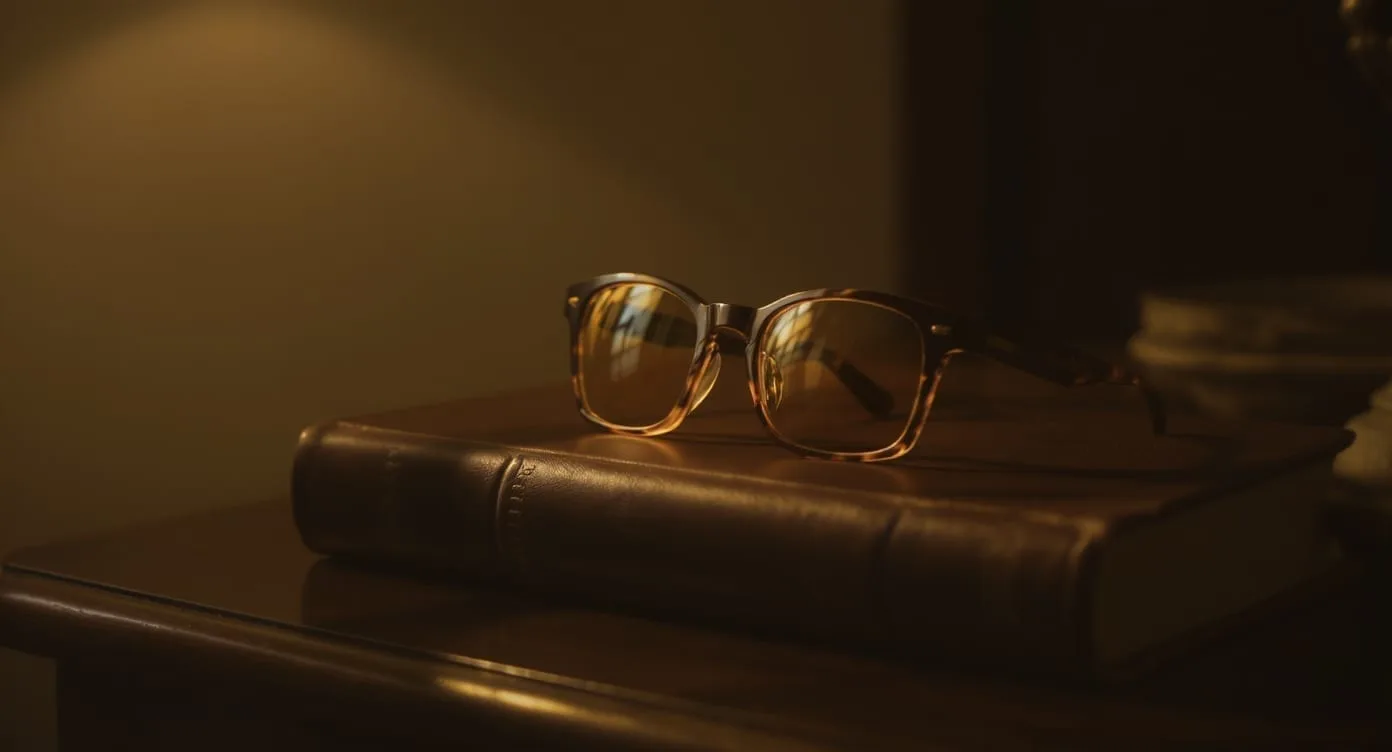
The Swanwick Swannies are one of the original and most-reviewed blue-light blocking glasses specifically marketed for sleep. With years on the market and a broad base of long-term buyer feedback, they offer a deep pool of real-world data on whether evening blue-blocking translates into better sleep for actual humans — not just lab subjects.
This review covers what thousands of verified buyers consistently report, cross-referenced with the published research on blue-light blocking and sleep.

Swanwick Sleep
Swannies Blue Light Blocking Glasses
$79.00
Pros
- Filters short-wavelength blue and green light
- Comfortable for extended evening wear
- Frame styles for different face shapes
Cons
- Strong amber tint takes adjustment
- Higher price than basic blue-light glasses
The product
Swannies are amber-tinted glasses with a strong orange/yellow lens that filters blue and some green wavelengths in the 400–500nm range. They're designed to be worn for 2–3 hours before bed, during the window when melatonin production is most vulnerable to short-wavelength light.
The frame comes in multiple styles (classic, round, sport) across several sizes. The construction is closer to prescription eyewear than novelty glasses — metal hinges, spring temples, and a weight/feel that most reviewers describe as "real glasses, not a gimmick."
What buyers consistently report
The calming effect
The most common description across positive reviews is a subjective sense of winding down faster after putting the glasses on. Buyers frequently describe feeling "calmer," "sleepier," or "more ready for bed" within 30–60 minutes of wearing them.
Is this the blue-blocking effect, a placebo ritual, or both? Honestly, the published research can't fully separate the two. But the consistency of the report across thousands of independent buyers — many of whom are skeptical in their reviews — suggests something real is happening, even if the magnitude is modest.
Comfort for extended wear
The second most-praised attribute: they're comfortable enough to wear for 2+ hours without headaches, ear pain, or nose-bridge pressure. Multiple reviewers compare them favorably to cheaper blue-blocking glasses they tried first.
This matters because compliance is everything — a pair of blue blockers in your drawer doesn't block any light. Comfort determines whether you actually wear them.
Reduction in eye strain
Many buyers mention reduced eye strain and headaches during evening screen use. This is a daytime-comfort benefit, not a sleep benefit per se, but it's frequently cited alongside the sleep-related effects.
Sleep onset improvement
A meaningful proportion of positive reviews specifically describe falling asleep faster — typically by 15–30 minutes — after 1–2 weeks of consistent evening use. This aligns with the published literature (Burkhart & Phelps, 2009; Shechter et al., 2018), which shows modest but consistent improvements in subjective sleep quality with amber lens use.
What buyers consistently complain about
The tint takes adjustment
The strong amber lens dramatically changes color perception. Everything looks warm/orange. Some buyers love this ("it signals my brain that the evening has started"); others find it annoying or disorienting, particularly for watching TV or using a phone.
The adjustment typically takes 3–5 days of consistent use. Reviewers who quit in the first 1–2 days are a common source of negative reviews.
Price
At ~$79, Swannies are significantly more expensive than basic blue-light glasses from Amazon ($10–$20). The premium is for the lens quality (broader wavelength blocking), frame quality (durable hinges, comfortable fit), and the multiple style options. Whether this premium is worth it depends on whether cheap alternatives fit your face and filter the right wavelengths.
They don't fix everything
A subset of disappointed reviews come from buyers who expected the glasses to solve their insomnia entirely. Blue-blocking is one component of evening light hygiene — it's not a standalone fix for anxiety-driven insomnia, caffeine-related sleep problems, or sleep disorders. Buyers who combine glasses with dimmed room lighting and a phone-free pre-bed window report the strongest effects.
Not a replacement for dimming lights
The evidence question
The honest assessment: the published evidence for blue-blocking glasses and sleep is modest but positive. Small studies show improvements in subjective sleep quality and melatonin onset timing. The effect size is not dramatic — don't expect a sleeping pill experience.
What the evidence supports:
- Evening amber lenses can modestly advance melatonin onset
- Self-reported sleep quality improvements are consistent in published trials
- Effects are stronger in people with significant evening screen/light exposure
- The ritual of putting glasses on may itself serve as a behavioral wind-down cue
What the evidence doesn't support:
- Blue-blocking as a treatment for clinical insomnia
- Dramatic improvements in sleep duration or architecture
- Effectiveness as a standalone intervention without other light-hygiene practices
For the full evidence breakdown, see our blue-blocking glasses roundup.
How it compares to Ra Optics
The most common comparison in buyer reviews:
| | Swannies | Ra Optics Twilight | |---|---|---| | Lens data published | No | Yes (spectrophotometric) | | Frame quality | Good | Premium | | Comfort | Excellent | Excellent | | Price | ~$79 | ~$120 | | Style range | Wide | Limited | | Wrap coverage | Standard | Better (wraparound) |
Swannies win on price, comfort, and style variety. Ra Optics wins on published lens data transparency and wrap coverage. For most buyers, Swannies are the practical choice. For data-driven buyers who want verified specs, Ra Optics is the more rigorous option.
Who it's for
Where to buy
Frequently asked
Do I need prescription blue-blocking glasses?+
Can I wear them while driving at night?+
How do I know if they're blocking the right wavelengths?+
Do they work for migraines?+
How long do they last?+
References
- Burkhart K, Phelps JR. Amber lenses to block blue light and improve sleep. Chronobiology International, 2009.
- Shechter A et al. Blocking nocturnal blue light for insomnia. Journal of Psychiatric Research, 2018.
Where to go next
Related findings.
 Lab Report
Zinus Green Tea Memory Foam Mattress Review: The $400 Mattress Most People Actually Need
A detailed review of the Zinus 12-Inch Green Tea Memory Foam Mattress — the most-reviewed budget mattress on Amazon, and why it satisfies 80% of sleepers at 25% of the premium price.
Yogasleep Rohm Travel White Noise Machine Review: The Pocket-Sized Sleep Saver
A detailed review of the Yogasleep Rohm — portability, battery life, sound quality, and how it compares to plug-in alternatives.
 Lab Report
Yogasleep Dohm Review: The 60-Year-Old Design That Still Wins
A detailed review of the Yogasleep Dohm — why a real-fan noise machine from 1962 still outsells digital alternatives, and who it's for.