Loop Quiet 2 Review: The Earplugs Side Sleepers Actually Keep Using
A detailed review of the Loop Quiet 2 — comfort for side sleeping, realistic noise reduction, and how they compare to foam alternatives for snoring partners.
We earn a commission if you buy through links on this page, at no extra cost to you. Picks are based on buyer reviews and specs; we don't test products ourselves. How we work
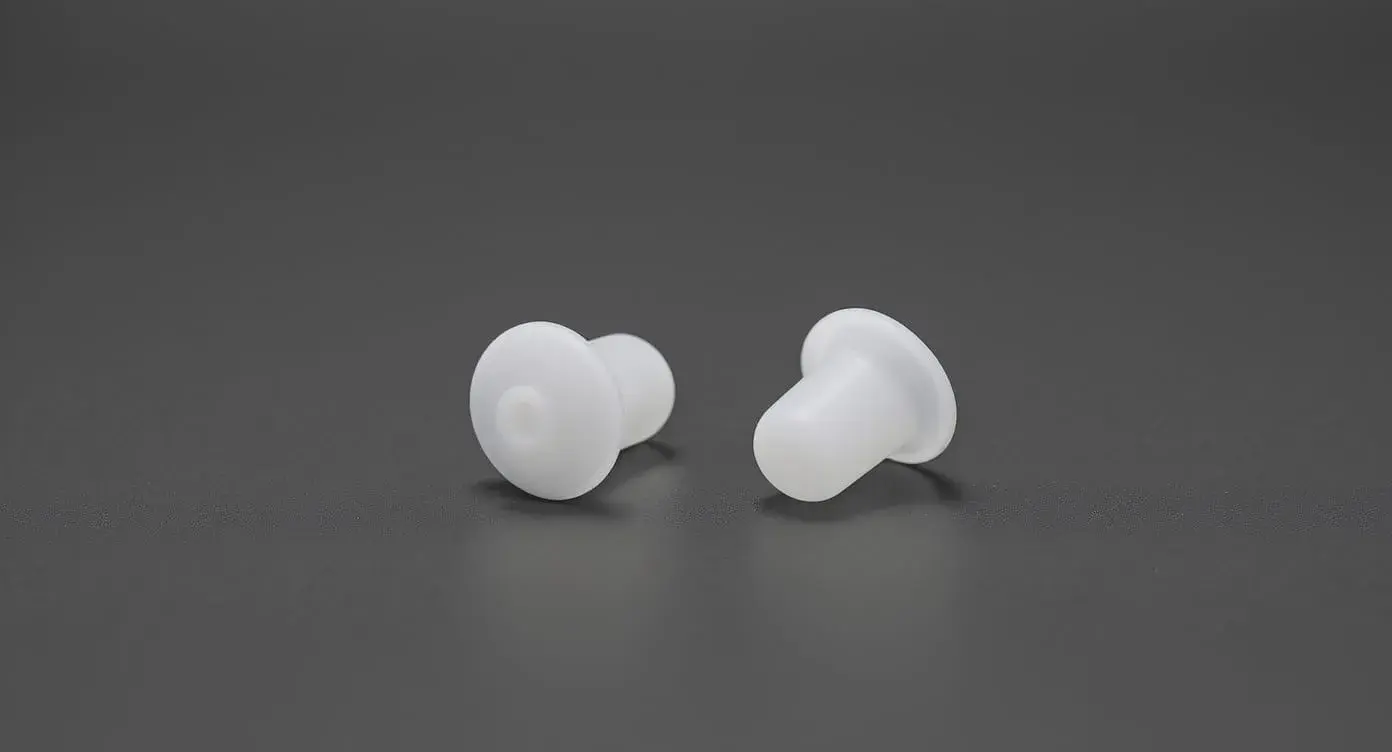
The Loop Quiet 2 is a reusable silicone sleep earplug built around one design choice: it sits flush with the ear canal. Nothing protrudes. When you lie on your side, your ear presses against the pillow and the earplug doesn't dig in, doesn't shift, and doesn't make you rip it out at 3 AM. That makes it a common recommendation for side sleepers dealing with snoring partners, noisy apartments, or thin dorm walls.
The trade-off is noise blocking. Loop's own rating is modest next to foam, so we set the published specs beside what owners report about comfort and fit, and spell out when a foam plug is the better buy.

Loop
Loop Quiet 2 Earplugs
Pros
- Comfortable silicone design for side sleepers
- Up to 24 dB (SNR) noise reduction — muffles snoring and traffic
- Reusable, four ear tip sizes included
Cons
- Won't block very loud noise (construction, heavy snoring)
- Some users find the fit takes trial and error
What it is
The Loop Quiet 2 is a reusable silicone earplug with interchangeable ear tips in four sizes (XS, S, M, L). It's not a foam plug — it's a molded silicone body with a soft tip that seals the ear canal. Loop rates it at 14 dB NRR (the US Noise Reduction Rating), or 24 dB under the European SNR scale. It comes in a small carrying case, and the tips typically need replacing after a few months of nightly use.
The key specs:
- Noise rating: 14 dB NRR (24 dB SNR); real-world protection is lower than the lab figure, especially with an imperfect fit
- Material: Soft silicone body + replaceable silicone tips
- Sizes included: XS, S, M, L ear tips
- Reusable: Washable with soap and water, lasts months per pair
- Carrying case: Small, pocketable
Why side sleepers stick with the Loop Quiet 2
1. Flush fit for side sleeping
The defining feature, and the main reason it comes up so often in sleep-earplug recommendations. The entire body sits inside or flush with the ear canal — nothing sticks out. When you press your ear into a pillow, there's no foam cylinder jabbing into your ear canal. Many long-term users describe this as the first earplug they've kept in all night without waking up to remove it.
2. Comfortable for 8+ hours
Unlike foam plugs that expand inside the ear canal and create pressure, the Loop Quiet sits passively. Most reviewers describe "forgetting they're in" after the first 30 minutes. This matters because earplugs you take out at 2 AM provide zero protection for the remaining 5 hours of sleep.
3. Reusable for months
A single pair lasts 3–6 months of nightly use with occasional soap-and-water cleaning. Over a year that typically works out to more than a supply of disposable foam plugs, but owners who choose Loop are paying for the comfort. For environmentally conscious users, the waste reduction is also meaningful.
4. Multiple tip sizes
The four included tip sizes mean you can find a seal that works for your specific ear canal. This matters because seal quality determines noise reduction, and a poor seal leaves you with noticeably less protection than the rated figure. Most users try all four sizes before settling on one that seals properly.
5. Reduces without eliminating
With a 14 dB NRR, Loop Quiet reduces but doesn't eliminate sound. You can still hear your phone alarm, a baby crying, or someone trying to wake you. Many owners want exactly that: fewer ambient disruptions without being cut off from emergencies, and they describe it as a feature rather than a limitation.
6. Discreet design
Unlike bright-colored foam plugs that signal "I'm wearing earplugs," the Loop Quiet is small and subtle. Owners who feel self-conscious about wearing earplugs say the Loop is easy to overlook, especially in a muted color.
The recurring complaints
1. Not enough for severe noise
At 14 dB NRR, the Loop Quiet can take the edge off moderate snoring, hallway noise, and HVAC hum, but it isn't enough for severe snoring, heavy traffic, or construction. Foam plugs block substantially more: Mack's Slim Fit is rated 29 dB NRR, and people in very loud environments often move to foam for that reason. The trade-off is comfort.
2. Seal requires the right tip size
Bad seal = bad noise reduction. Some reviewers report that none of the four tip sizes create a complete seal, which significantly reduces effectiveness. The usual fix is switching from the silicone tips to foam tips (Loop sells them separately), but this adds cost.
3. Wax buildup requires cleaning
Earwax accumulates on the tips after a few nights. If you don't clean them regularly (soap and water, 30 seconds), the buildup can reduce the seal and harbor bacteria. Not a dealbreaker but requires consistent hygiene habits.
4. Can fall out during sleep
A small minority of reviewers with unusual ear canal shapes report the Loop working itself out during the night. This is almost always a tip-size issue — switching sizes or using third-party tips usually fixes it.
Who should buy Loop Quiet
Best for:
- Side sleepers (the main use case and the feature that justifies the premium over foam)
- People with snoring partners at moderate volume
- Apartment dwellers with thin walls or hallway noise
- Travelers who need all-night comfort in hotels
- People who've tried foam plugs and hated the pressure or pillow-jabbing
Not great for:
- Severe noise environments (use Mack's Slim Fit foam for max attenuation)
- Back sleepers who don't have the pillow-comfort problem (foam works fine for them)
- People who need the absolute maximum sound blocking regardless of comfort
- Users with ear canal shapes that don't fit any of the four tip sizes
How it compares to foam alternatives
- Noise rating: Loop Quiet 2 is 14 dB NRR (24 dB SNR); Mack's Slim Fit is 29 dB NRR, so the foam plug blocks substantially more.
- Side-sleeper comfort: the Loop sits flush; the foam plug protrudes and can press into the pillow.
- Reusability: a Loop pair lasts months; foam plugs are disposable after a use or two.
- Yearly cost: the Loop usually costs more over a year than a supply of foam plugs.
- Severe noise: the Loop is often insufficient; foam is the better tool.
- All-night comfort: owners rate the Loop higher.
The practical advice: try Loop Quiet first unless your environment is very loud. If it isn't enough, keep Mack's Slim Fit on hand for severe-noise nights.
Where to buy
Frequently asked
Are Loop Quiet earplugs safe to wear every night?+
Will I hear my alarm through them?+
How do I find the right tip size?+
Do they block snoring?+
How long does a pair last?+
Where to go next
Related findings.
 Edge Pick
The Best Sleep Gear for Travel in 2026
Hotels are loud, bright, and unpredictable. Here's a packable four-item sleep kit for flights, road trips, and unfamiliar hotel rooms.
 Edge Pick
The Best Sleep Accessories for Couples in 2026
Sharing a bed doubles every sleep problem. Four products that solve the big ones for couples: temperature wars, snoring, mismatched schedules and comfort.
 Edge Pick
The Best Products to Stop Snoring (Yours or Your Partner's) in 2026
Snoring ruins sleep for two people. Five products that target different causes, for both the snorer and the partner trying to sleep next to them.