Snoring Fixes for You and Your Partner
Some snoring starts in the nose, some on your back, and your partner needs sleep tonight. Five products by cause, and when to see a doctor.
We earn a commission if you buy through links on this page, at no extra cost to you. Picks are based on buyer reviews and specs; we don't test products ourselves. How we work
Jump to the picks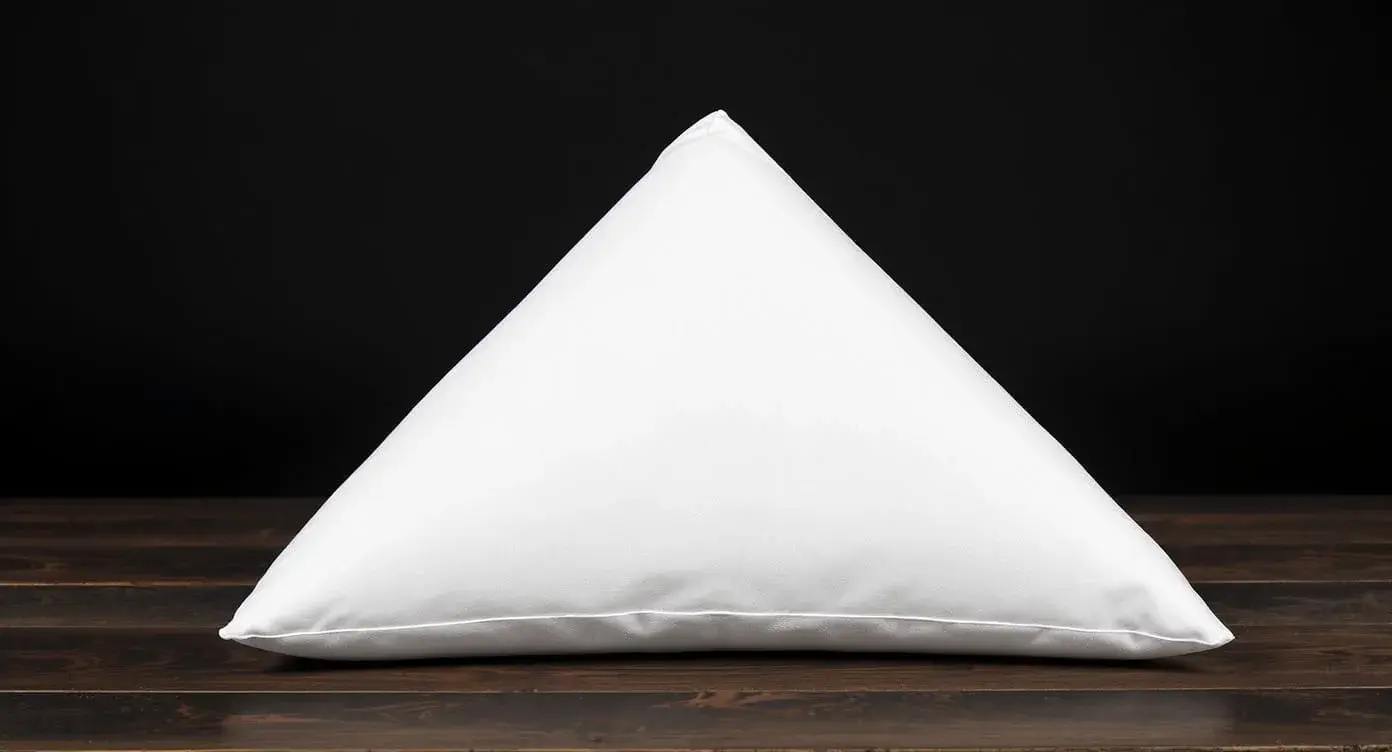
Snoring affects two people. The snorer needs to find the cause, and the partner needs to sleep tonight. This guide covers five products by what they target: a congested or narrow nose, dry air, sleeping on your back, and the partner lying awake. None of them treats sleep apnea, so the guide also covers when to see a doctor.
Quick picks
- Stuffy or narrow nose: Breathe Right Extra Strength
- Worse in dry winter air: Vicks Filter-Free Humidifier
- The partner lying awake: Loop Quiet 2 Earplugs
Why most anti-snoring products fail
Most "anti-snoring" products on Amazon are cheap mouth devices, nose strips, and chin straps that reviewers often describe as uncomfortable, ineffective, or abandoned within days. The ones that actually work are usually the indirect interventions — things that address the cause of snoring rather than trying to mechanically stop the airway vibration.
The three most common snoring causes that respond to non-device interventions:
1. Back sleeping — gravity pulls the soft palate and tongue backward, narrowing the airway. Side sleeping or upper-body elevation often helps when snoring is mainly positional.
2. Dry airway irritation — dry indoor air inflames the soft tissue of the nose and throat, making vibration louder and more frequent. Humidification can ease this.
3. Alcohol, weight, and nasal congestion — all make snoring worse. Behavior change is the intervention for alcohol and weight; no gadget fixes those. For snoring that starts in a blocked or narrow nose, nasal strips and dilators can help some people, though they do nothing for snoring that comes from the throat.
For cases that aren't from the above — true obstructive sleep apnea, severe anatomical airway obstruction, chronic medical issues — see a doctor. A wedge pillow won't fix sleep apnea.
1. Breathe Right Extra Strength Clear — Top Pick (Best Nasal Strip)

Breathe Right
Breathe Right Extra Strength Clear Nasal Strips (44 Count)
Pros
- Drug-free strip that lifts the sides of the nose to ease nasal airflow
- Extra Strength bands are stronger than Breathe Right Original strips
- Clear, hypoallergenic version made for sensitive skin
Cons
- Only helps snoring that starts in the nose, not throat or soft-palate snoring
- Single-use strips are an ongoing cost, and removal can irritate skin
If the snorer sounds worse with a cold or allergies, or breathes through the mouth because the nose feels blocked, nasal snoring is the likely culprit, and a strip is the cheapest, lowest-commitment thing to try, which is why it leads this list. Breathe Right strips stick across the bridge of the nose, and flexible "spring-like" bands lift the sides of the nostrils to ease airflow. The Extra Strength version uses stronger bands than Breathe Right Original, and this clear version is made for sensitive skin.
What owners like
- Drug-free and quick to test. One box is enough to find out within a week or two whether nasal airflow is part of the problem.
- Helps with congestion too. Owners often reach for them during colds and allergy season, not just for snoring.
- Discreet. The clear strips are hard to notice and use hypoallergenic, 3M-made materials.
Breathe Right limitations
- Only for nasal snoring. As the FAQ below explains, strips don't help soft-palate snoring.
- Ongoing cost and skin wear. Each strip is single use, and peeling one off every morning can irritate skin. Oily skin or facial hair can stop a strip from sticking.
2. Vicks Filter-Free Cool Mist Humidifier — Best for Dry-Air Snoring

Vicks
Vicks Filter-Free Cool Mist Humidifier
Pros
- 1.2-gallon tank runs up to 30 hours per fill
- Ultrasonic — virtually silent operation for the bedroom
- Helps with dry-air congestion that fragments sleep
Cons
- Requires regular cleaning to prevent mineral buildup
- Hard tap water can leave white mineral dust — distilled recommended
A surprisingly effective anti-snoring intervention for winter and heated-indoor sleepers: fix the bedroom humidity. Dry air (below 30% relative humidity, common in winter with heating) irritates nasal and throat tissue, which increases swelling and vibration during sleep. Raising the bedroom to 40–50% humidity reduces airway irritation, and owners whose snoring is dry-air driven often report quieter nights.
What the Vicks does well
- Less morning throat dryness. The most common praise from winter snorers: fewer mornings with a raspy voice and sore throat.
- Filter-free. No recurring filter cost. Clean weekly with vinegar-water and the unit lasts years.
- All-night operation. The tank is large enough to run through the night on low.
- Quiet enough for sleep. Soft white noise hum that most reviewers describe as pleasant.
- Wide tank opening. Easy to clean — which matters because dirty humidifiers can make snoring worse.
- Affordable. Budget-priced for a unit that can last several years.
Where the humidifier falls short
- Only helps dry-air snoring. If your humidity is already 40%+ and you still snore, the problem is elsewhere.
- Requires weekly cleaning. Skip maintenance and you're aerosolizing biofilm into the air you're trying to fix.
- White mineral dust if using tap water. Use distilled water to avoid.
3. Rhinomed Mute Nasal Dilator — Best Reusable Nasal Option

Rhinomed
Rhinomed Mute Nasal Dilator Starter Pack (3 Sizes)
Pros
- Soft internal dilator with adjustable stents that holds the nostrils open from the inside
- Reusable: Rhinomed rates each one for up to ten nights if rinsed daily
- Starter pack includes all three sizes so you can find the right fit
Cons
- Some owners find something inside the nostril hard to get used to
- Like any nasal aid, it does nothing for snoring that comes from the throat
Mute tackles the same nasal cause as a strip, but from inside the nose. It's a soft, mostly clear dilator with adjustable stents that sit just inside each nostril and hold them open while you sleep. It suits people whose skin doesn't tolerate adhesive or who'd rather not buy a strip for every night.
What Mute does well
- Reusable. Rhinomed says each dilator lasts up to ten nights if you rinse it daily.
- Fit options. The starter pack includes small, medium and large so you can find your size before buying a multi-pack.
- No adhesive. Nothing stuck to your skin, which matters for people who react to strips.
Mute trade-offs
- Takes getting used to. Some owners can't settle with something inside the nostril, and the wrong size can feel loose or uncomfortable.
- Same limits as strips. If the snoring comes from the throat or soft palate, a nasal dilator won't change it.
4. Loop Quiet 2 Earplugs — Best for the Non-Snoring Partner

Loop
Loop Quiet 2 Earplugs
Pros
- Comfortable silicone design for side sleepers
- Up to 24 dB (SNR) noise reduction — muffles snoring and traffic
- Reusable, four ear tip sizes included
Cons
- Won't block very loud noise (construction, heavy snoring)
- Some users find the fit takes trial and error
Here's the honest truth: while you're working on stopping your partner's snoring, you still need to sleep tonight. Positional adjustments and humidity changes take weeks to evaluate. The Loop Quiet 2 earplugs are a comfort-first pick for partners of snorers: soft silicone that sits low in the ear (helpful for pillow-side sleeping), rated 14 dB NRR (24 dB under the European SNR scale), and reusable for months.
What partners of snorers like about Loop Quiet 2
- Low-profile fit for side sleeping. The main reason people choose them over foam for nightly use. Little sticks out to press into the pillow.
- Comfortable for a full night. Many owners leave them in all night without waking up with sore ear canals.
- Takes the edge off. They soften moderate snoring into background noise, though real-world protection is lower than the lab rating, especially with an imperfect fit.
- Reusable. Wash with soap and water. A single pair lasts months.
- Subtle. Doesn't look like medical equipment.
Loop Quiet 2 limitations
- Not enough for severe snoring. For extremely loud snorers, foam earplugs block substantially more noise (Mack's Slim Fit is rated NRR 29). The trade-off is comfort.
- You'll still hear the alarm and emergencies. This is intentional — they reduce, not eliminate.
5. InteVision Foam Bed Wedge — Best for Positional Snoring

InteVision
InteVision Foam Bed Wedge Pillow
Currently unavailable on Amazon (checked 2026-11-01)
Pros
- Helps with acid reflux, snoring, and post-surgery recovery
- Memory foam top layer for comfort
- Removable, washable bamboo cover
Cons
- Off-gassing smell on first unboxing
- Fixed height may not suit all body sizes
The InteVision Wedge addresses the positional cause of a lot of mild-to-moderate snoring: the snorer is sleeping on their back, which lets the tongue and soft palate fall backward. Raising the upper body on an incline can reduce that collapse, and for some people it quiets snoring that nasal strips never touched. It's currently listed as unavailable on Amazon, so check stock before buying.
Why the wedge works for positional snorers
- Reduces snoring for many users. The benefit owners mention most. Partners who bought it for a snoring spouse often describe a noticeable drop in volume.
- Dual-purpose. Also works for acid reflux, pregnancy, and general upper-body support. Not a single-use gadget.
- Firm foam holds the angle. Doesn't compress overnight like soft pillows. Maintains the elevation that actually matters.
- Removable washable cover. Essential for a product you sleep on nightly.
- About 25 inches long. Long enough to support the full upper body without leaving the head dangling.
Wedge drawbacks
- Takes adjustment. Many people need a week or two to adapt to sleeping on an inclined surface. First nights feel awkward.
- Only one side of the bed. If only one partner snores, this works. If both snore, you'll need two.
- Doesn't help side sleepers who still snore. If the snoring persists on the side, the cause isn't positional and this won't help.
- Foam off-gassing. Mild chemical smell for the first 48 hours.
The complete anti-snoring strategy
A realistic approach that works for most couples dealing with snoring:
Week 1:
- If the snoring is mostly on the back, encourage side sleeping or raise the upper body with a wedge pillow.
- Buy earplugs for the non-snoring partner. Use them nightly.
- Track whether snoring improves.
Week 2–4:
- Add the humidifier if it's winter or your bedroom is dry.
- If the snoring is worse with a stuffy nose, try nasal strips or a nasal dilator for a week or two.
- Avoid alcohol in the 3 hours before bed (alcohol relaxes the throat muscles, so this alone can make a noticeable difference).
- Re-evaluate.
If nothing has worked after 4 weeks:
- Schedule a doctor visit. Untreated sleep apnea is a real health risk, and none of the products in this guide treat it. A sleep study is the next step.
How they compare
| Pick | Best for | Key trait | Main trade-off |
|---|---|---|---|
| Breathe Right Extra Strength Clear | Snoring from a blocked or congested nose | Stronger bands than Original; clear, for sensitive skin | Single use; no help for throat snoring |
| Vicks Filter-Free Cool Mist Humidifier | Snoring worsened by dry winter air | No filters to replace | Needs weekly cleaning; only helps dry-air snoring |
| Rhinomed Mute Nasal Dilator | Nasal snoring in people who dislike adhesive strips | Reusable internal dilator, three sizes in the starter pack | Takes getting used to; no help for throat snoring |
| Loop Quiet 2 Earplugs | The non-snoring partner | Low-profile silicone, comfortable all night | Blocks less noise than foam plugs |
| InteVision Foam Bed Wedge | Positional (back-sleeping) snoring | Firm foam holds the incline overnight | Currently unavailable on Amazon; takes a week or two to get used to |
Frequently asked
What's the single most effective anti-snoring product?+
Do nasal strips actually work?+
Can a humidifier really reduce snoring?+
Should I buy earplugs for myself or try to fix my partner's snoring?+
When should I see a doctor about snoring?+
Where to go next
Related articles.
 Edge Pick
Sleep Gear for Hotels and Flights
Hotels bring gappy curtains, thin walls and strange beds. A small packable sleep kit for hotel rooms, flights and road trips.
Buyer ReportInteVision Foam Bed Wedge Pillow Owner Reviews: Elevation Therapy That Works While You Sleep
InteVision wedge reviews: many owners report reflux relief from elevation, but height is fixed and side sleeping is awkward. Often listed as unavailable.
 Edge Pick
Sleep Accessories for Couples
One runs hot, one snores, one gets up early. Four sleep accessories for couples that let each person adjust their side of the bed.