The Best Sleep Accessories for Couples in 2026
Sharing a bed doubles every sleep problem. Four products that solve the big ones for couples: temperature wars, snoring, mismatched schedules and comfort.
We earn a commission if you buy through links on this page, at no extra cost to you. Picks are based on buyer reviews and specs; we don't test products ourselves. How we work
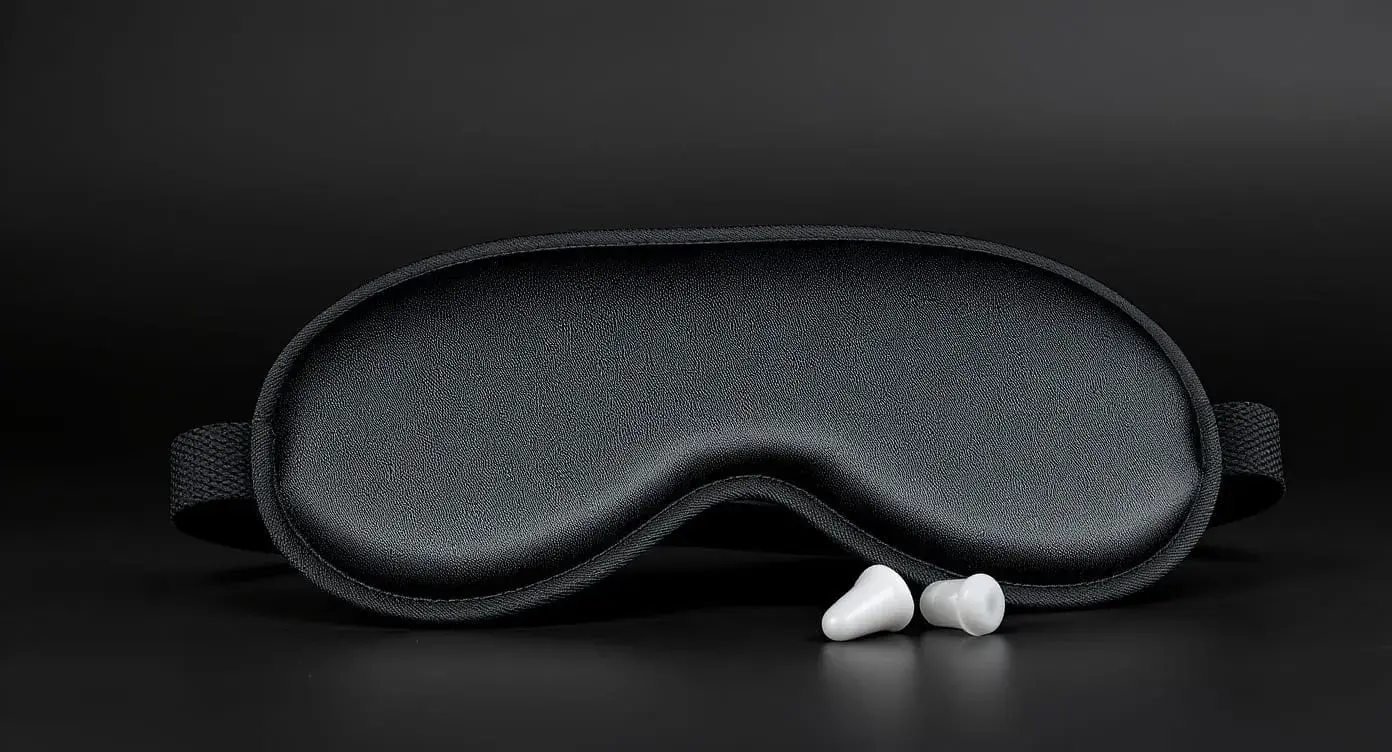
Sharing a bed is the one relationship compromise most couples never question — and it's often the most expensive one in terms of sleep quality. Two people with different temperature preferences, different schedules, different noise sensitivity, and different sleep positions, all trying to optimize a single bed. The products that help couples most aren't "couples products" — they're individual interventions that let each person customize their side of the experience without disrupting the other.
This guide covers four products, chosen from published specs and what couples say in owner reviews, each aimed at one of the four classic shared-bed problems.
The four problems couples face
1. Temperature mismatch. One person runs hot; the other runs cold. Thermostat wars ensue. Neither sleeps well.
2. Snoring / noise sensitivity. One person snores; the other lies awake furious. Or one partner watches TV while the other tries to sleep.
3. Different schedules. One goes to bed at 10 PM; the other at midnight. Light from screens, hallway doors, and desk lamps disrupts the early sleeper.
4. Different comfort preferences. One wants heavy weighted pressure; the other wants a light sheet. One wants firm; the other wants soft.
Each problem has a product solution that lets both people get what they need without forcing a compromise.
1. BedJet 3 Dual-Zone — Best for Temperature Mismatch

BedJet
BedJet 3 Climate Comfort System
Pros
- Active heating and cooling without water tubes
- Wireless remote with programmable sleep schedules
- Available in single-zone and dual-zone for couples
Cons
- Air-based system not as cold as water-based competitors
- Slight fan noise on higher settings
The BedJet 3 in dual-zone configuration is the most direct temperature fix for couples. Two separate units feed one split Cloud Sheet, so each side of the bed gets its own climate: one partner can run a cooling airflow while the other runs warm air. No thermostat war, no blanket theft, no compromise.
Why the BedJet works for couples
- Each person sets their own temperature. The defining feature. End the thermostat argument permanently.
- No compromise required. Unlike a single-temperature thermostat, neither partner gives up comfort.
- Programmable per side. Cool one side at bedtime, warm the other at wake-up — all automated.
- No water or maintenance. Air-based, unlike water-cooled alternatives that require refilling.
BedJet downsides
- Expensive for dual-zone. Two units + Cloud Sheet = significant investment.
- Fan noise. Both units produce some noise. Many owners treat it as white noise, but people who need near-silence may find it distracting.
2. Loop Quiet 2 — Best for Snoring / Noise Sensitivity

Loop
Loop Quiet 2 Earplugs
Pros
- Comfortable silicone design for side sleepers
- Up to 24 dB (SNR) noise reduction — muffles snoring and traffic
- Reusable, four ear tip sizes included
Cons
- Won't block very loud noise (construction, heavy snoring)
- Some users find the fit takes trial and error
When one partner snores and the other is a light sleeper, the relationship pressure is real. The Loop Quiet 2's flush silicone design is specifically recommended for the non-snoring partner because it lets them sleep on their side (facing away from the snorer) without the earplug pressing painfully against the pillow.
What it solves
- The non-snoring partner can actually sleep. Rated 14 dB NRR (24 dB under the European SNR scale), enough to soften moderate snoring, though real-world protection is lower than the lab rating with an imperfect fit.
- Comfortable all night on any side. Flush design means no pillow jabbing.
- Doesn't seal you off completely. At this rating you're still likely to hear an alarm or a partner trying to wake you.
- Reusable. One pair lasts months — not a nightly disposable purchase.
Limits
- Not enough for severe snoring. For chainsaw-level snoring, foam plugs block substantially more noise (Mack's Slim Fit is rated NRR 29) but are less comfortable for some people.
- Only helps the listener. The snorer still needs their own intervention (positional changes, humidifier, medical evaluation).
3. Manta Sleep Mask — Best for Different Schedules

Manta Sleep
Manta Sleep Mask
Pros
- Adjustable eye cups for total blackout
- Zero pressure on eyelids
- Modular and machine washable
Cons
- Bulkier than flat masks
- Strap can loosen over months of heavy use
When one partner goes to bed 2 hours before the other, the early sleeper needs darkness while the late sleeper's screen/desk lamp is still on. The Manta Sleep Mask creates personal darkness for the early sleeper without requiring the late sleeper to sit in the dark.
Why the Manta suits early sleepers
- Personal darkness on demand. The early sleeper doesn't need to negotiate — just put the mask on and the room is dark.
- Eye cups prevent pressure. Comfortable enough to wear every night, which is what this use case demands.
- Side-sleeper friendly. The cups keep pressure off the eyes when you lie on your side, so you can turn away from the late partner's lamp.
The catch
- Doesn't block noise. If the late partner is watching TV, light is blocked but sound isn't. Combine with earplugs or a sound machine for the full stack.
4. Bearaby Cotton Napper — Best for Different Comfort Preferences

Bearaby
Bearaby Cotton Napper (15 lb)
Pros
- Organic cotton — no beads, no plastic fill
- Chunky-knit design is breathable and machine washable
- Evenly distributed weight without shifting
Cons
- Premium pricing for the weight class
- Limited color options
When one partner wants heavy weighted pressure and the other finds weighted blankets oppressive, the solution is simple: each person uses their own blanket. The Bearaby Cotton Napper is specifically recommended for the partner who wants weight because it's breathable enough not to overheat the shared sleeping environment.
Why it works in a shared bed
- Individual blanket, shared bed. Each partner controls their own blanket weight and warmth without affecting the other.
- Breathable. The chunky knit doesn't trap heat — critical in shared beds where partner body heat already raises ambient temperature.
- Looks good draped on the bed. Unlike medical-looking beaded blankets, the Bearaby functions as bedroom decor.
- Calming for some anxious partners. Some people with bedtime anxiety find the deep pressure helps them settle.
Bearaby drawbacks
- Expensive for a single-person blanket. It's premium-priced, and it only covers one person.
- Separate blankets can feel less "together." Some couples find the visual of separate blankets less romantic, though better sleep on both sides tends to soften that.
The complete couples sleep stack
Tier 1: cheap, high impact:
- Loop Quiet earplugs for the snoring-partner problem
- Both partners test side-sleeping to reduce snoring
Tier 2: moderate investment:
- Add Manta Sleep Mask for the schedule-mismatch partner
- Add separate blankets (Bearaby for the weighted-pressure partner)
Tier 3: premium:
- Add BedJet 3 dual-zone for the temperature problem
- Full individual sleep environments on a shared mattress
Many couples find Tier 1 is enough. The remaining tiers are for couples where the specific problem is severe enough to justify the cost.
Frequently asked
Is it weird to use separate blankets?+
Will earplugs make me miss my partner's emergency?+
Is the BedJet dual-zone worth the cost?+
Can we just get a split-firmness mattress instead of separate accessories?+
Where to go next
Related findings.
- Bearaby Cotton Napper vs. Luna Weighted Blanket
- Loop Quiet vs. Mack's Slim Fit
- Bearaby Cotton Napper vs. YnM Cooling Bamboo
 Edge Pick
The Best Sleep Products for Anxiety in 2026
Products won't cure anxiety-driven insomnia, but the right environment tools can quiet the body enough for sleep to take over. Here's what helps and why.
 Edge Pick
The Best Sleep Gear for College Students in 2026
Dorm rooms are among the worst places to sleep. Here's the compact, budget-friendly gear that fixes dorm light, noise, and pillow problems.
 Edge Pick
The Best Sleep Gear for Travel in 2026
Hotels are loud, bright, and unpredictable. Here's a packable four-item sleep kit for flights, road trips, and unfamiliar hotel rooms.