The Best Bed Cooling Systems for Hot Sleepers in 2026
If you run hot at night and cheap fixes haven't worked, the next step is an actual bed cooling system. Here's the active cooling approach customers consistently rate highest.
There's a specific moment most hot sleepers recognize: you've tried the cool sheets, the breathable pillow, the moisture-wicking pajamas. You've turned the thermostat down to 65°F. And you're still waking up sweating at 3 AM. At that point, passive cooling isn't enough — you need an active cooling system that actively pulls heat away from your body rather than just not trapping it. This guide covers the three-tier approach that aggregated reviews consistently identify as the hot-sleeper escalation path: active air cooling (the heavy hitter), latex topper (the passive upgrade), and a bedroom fan (the cheap foundation that still does 70% of the work).
Passive vs. active cooling
Passive cooling = breathable materials that don't trap heat. Sheets, pillows, toppers. This works for mild hot sleepers and people in moderately cool bedrooms. Max effect: ~2–3 degrees of perceived cooling.
Active cooling = something that actively moves heat away from your body. Fans, air-based cooling systems, water-based cooled pads. Max effect: 5–10+ degrees of perceived cooling and, critically, consistent cooling throughout the night even as your body heat accumulates.
Severe hot sleepers need active. Passive is an adjunct.
1. BedJet 3 Climate Comfort System — Best Active Cooling

BedJet
BedJet 3 Climate Comfort System
$499.00
Pros
- Active heating and cooling without water tubes
- Wireless remote with programmable sleep schedules
- Available in single-zone and dual-zone for couples
Cons
- Air-based system not as cold as water-based competitors
- Slight fan noise on higher settings
The BedJet 3 is the active cooling system that consistently leads aggregated reviews from hot sleepers who've tried everything else. It's an air-based climate system: a small unit on the floor connects via a flexible tube to a nozzle that clips to the bottom of your mattress, directing temperature-controlled airflow between your sheets. When you want cool, it pulls room-temperature air through the unit and pushes it at high volume across your body. When you want warm, it heats the airflow. No water, no reservoirs, no pad under your body — just airflow where it matters.
What hot sleepers consistently like
- Immediate cooling when a hot flash or wake-up hits. The #1 cited benefit. Keep the remote under your pillow and hit the cool button mid-night without getting out of bed.
- No water, no maintenance. Unlike water-based systems, there's nothing to refill, clean, or worry about leaking.
- Dual-zone option for couples. Two separate units + a split-airflow cloud sheet gives each partner their own temperature. Ends the "he's freezing, she's sweating" bed fight.
- Programmable schedules. Cool at bedtime, neutral through mid-night, warm toward morning — all automated.
- Responsive. Airflow starts immediately when you adjust the setting, unlike water-based systems that take minutes to equilibrate.
- Also heats. In winter, it's a heater. Year-round usefulness.
Trade-offs
- Expensive. Single-zone around $500, dual-zone higher. Not a budget purchase.
- Fan noise. The unit runs a fan, which produces steady broadband noise. Most users find it pleasant (white noise) but absolute-silence sleepers may not.
- Limited by room temperature. The BedJet can't cool below ambient room temperature. If your bedroom is 78°F, it can only blow 78°F air — which still helps via evaporative cooling but isn't refrigeration.
- Takes nightstand space. The remote, the unit, and the tube all need a home.
2. Pure Green 100% Natural Latex Topper — Best Passive Upgrade
Sleep On Latex
Pure Green 100% Natural Latex Mattress Topper (Queen)
$179.00
Pros
- 100% natural Talalay latex — no synthetic blends
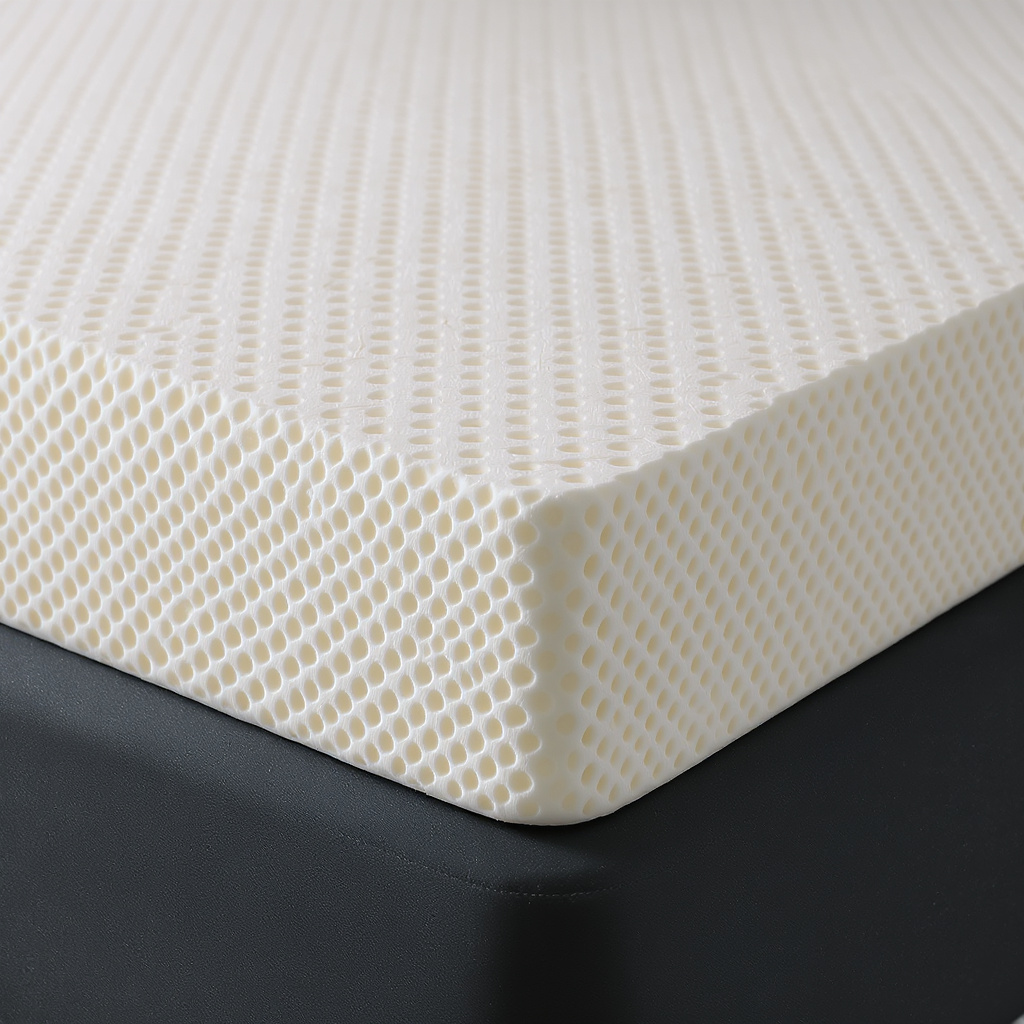
- Open-cell structure for genuine all-night cooling
- GOLS organic certified, no off-gassing
Cons
- Heavy and difficult to reposition
- Cover sold separately
Before (or alongside) active cooling, the most impactful passive upgrade is replacing a memory foam mattress or topper with natural latex. Memory foam is a closed-cell material that traps body heat against you. Latex has thousands of open cells — air flows through the material, and heat dissipates instead of accumulating. The Pure Green 100% Natural Latex Topper is the most-praised latex topper in aggregated reviews from hot sleepers specifically.
What hot sleepers consistently like
- Genuinely cool all night, not just at first. The defining feature over gel memory foam alternatives that cool briefly then equilibrate with body temperature.
- Responsive feel. Bounces back faster than memory foam. No "stuck in the topper" sensation.
- 10+ year lifespan. Natural latex is famously durable. 5-year-old toppers still feel new.
- 100% natural + certifications. GOLS and Eco-Institut certified for chemical safety and natural materials.
- Works with any mattress. Lay it on top of your existing bed. No mattress replacement needed.
Trade-offs
- Expensive. Roughly $300 for a queen. Not as expensive as a new mattress, but still a significant purchase.
- Heavier than foam. Moving and setup takes two people for a queen.
- Firm feel. Latex is firmer than memory foam. If you specifically love the sink-in feel of memory foam, this isn't it.
- Mild rubbery smell initially. Dissipates within a week but noticeable on day one.
3. Vornado 660 Whole Room Air Circulator — Best Cheap Foundation
Vornado
Vornado 660 Whole Room Air Circulator
$99.99
Pros
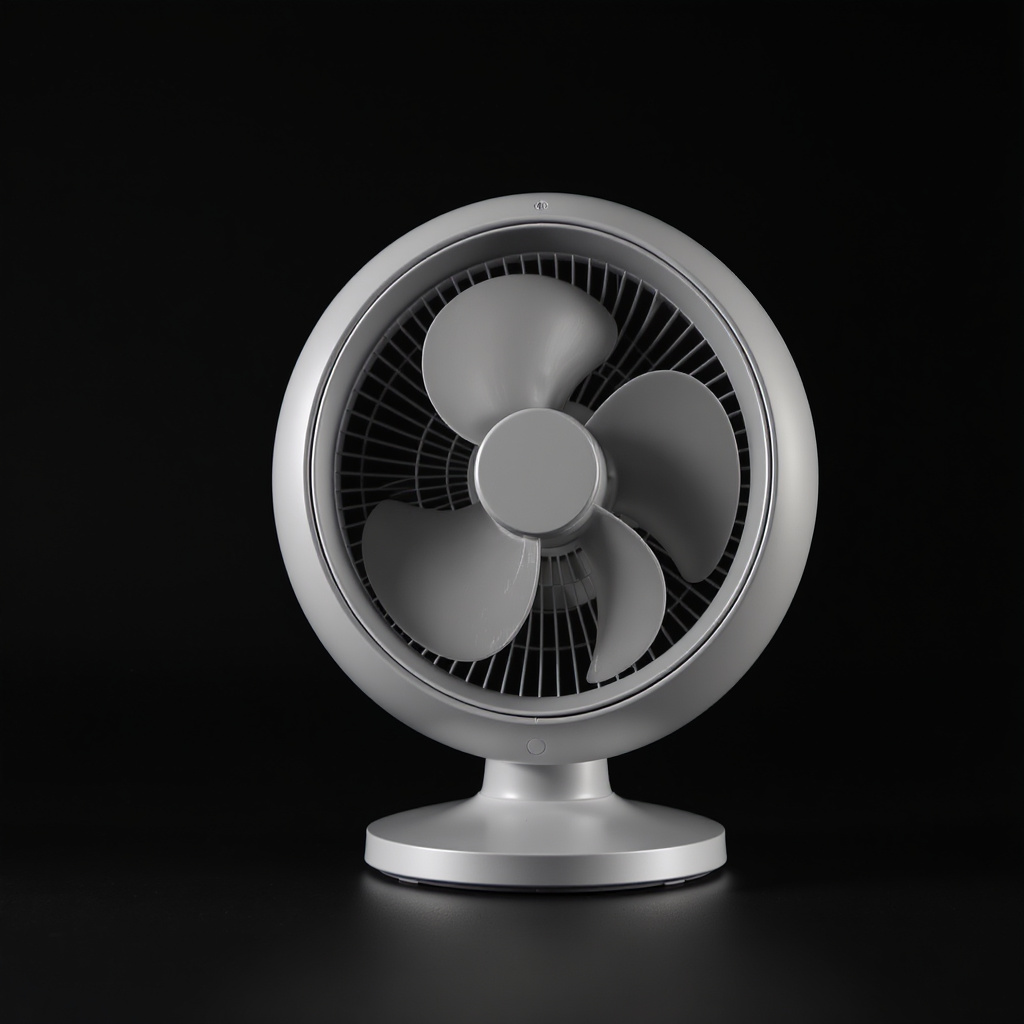
- Vortex airflow circulates an entire bedroom
- Four speeds — gentle for sleep, powerful for cooling
- Provides white noise as a side benefit
Cons
- Audible motor on high settings
- Larger footprint than basic desk fans
A good bedroom fan is the cheapest sleep cooling intervention and, surprisingly, does 70% of the work of a $500 system for $100. The Vornado 660's vortex airflow design pushes air across a whole room (not just a narrow column directly in front of it), which means you can set it up 8–10 feet from the bed and still feel consistent airflow across your whole body.
What hot sleepers consistently like
- Whole-room airflow. The #1 advantage over conventional fans. The vortex design distributes air instead of blasting a narrow column.
- Smooth white noise bonus. Sound is steady and pleasant, which most users find sleep-promoting.
- Multiple usable speeds. Four speeds including a quiet low for overnight use.
- Durable. 5–10 year reviews are common. Unlike cheap fans that break in a season, the Vornado lasts.
- Compact. Fits on a dresser without dominating the room.
- Under $100. Cheap enough to be the first purchase for most hot sleepers.
Trade-offs
- Doesn't oscillate. By design — the vortex handles distribution — but some users expect oscillation.
- Not the quietest fan on the market. If you want absolute silence, it's not the pick. Most hot sleepers find the sound pleasant.
- Doesn't cool a hot room. It cools your skin via airflow; it doesn't cool ambient room temperature. For ambient cooling, you need AC.
The escalation path
Most hot sleepers don't need all three. Work up the tiers:
Tier 1: Fix the basics first. Cool bedroom (60–68°F), breathable sheets (bamboo or eucalyptus), breathable pillow (shredded fill or latex), no heavy comforter. If this fixes it, stop here.
Tier 2: Add the Vornado fan. ~$100. Solves 70% of the remaining heat problems. This is the minimum-viable cooling upgrade.
Tier 3: Add the latex topper. ~$300 for a queen. Upgrades the mattress surface from "neutral" to "actively cool."
Tier 4: Add the BedJet 3. ~$500+. For severe hot sleepers or menopausal night sweats. This is the heavy hitter.
Full stack cost: ~$900. But most hot sleepers stop at Tier 2 or Tier 3 because the additional cost of Tier 4 isn't necessary once the room temperature, mattress surface, and airflow are all optimized.
How they compare
productIds must be an array.Frequently asked
Where to go next
Related findings.
 Edge Pick
The Best Alarm Clocks for Heavy Sleepers in 2026
If you sleep through every alarm on your phone, you need a device that wakes you with more than sound. Here's what heavy sleepers consistently rate highest on Amazon.
 Edge Pick
The Best Blackout Curtains for Apartments in 2026
Apartment sleepers deal with street lights, neighbor windows, and landlord-restricted installations. Here are the blackout curtains renters consistently rate highest.
 Edge Pick
The Best Cooling Pillows in 2026
Memory foam pillows trap heat — these cooler alternatives don't. Here are the pillows customers consistently rate highest for hot sleepers who wake up with a sweaty pillow.