The Best Alarm Clocks for Heavy Sleepers in 2026
If you sleep through every alarm on your phone, you need a device that wakes you with more than sound. Here's what heavy sleepers consistently rate highest on Amazon.
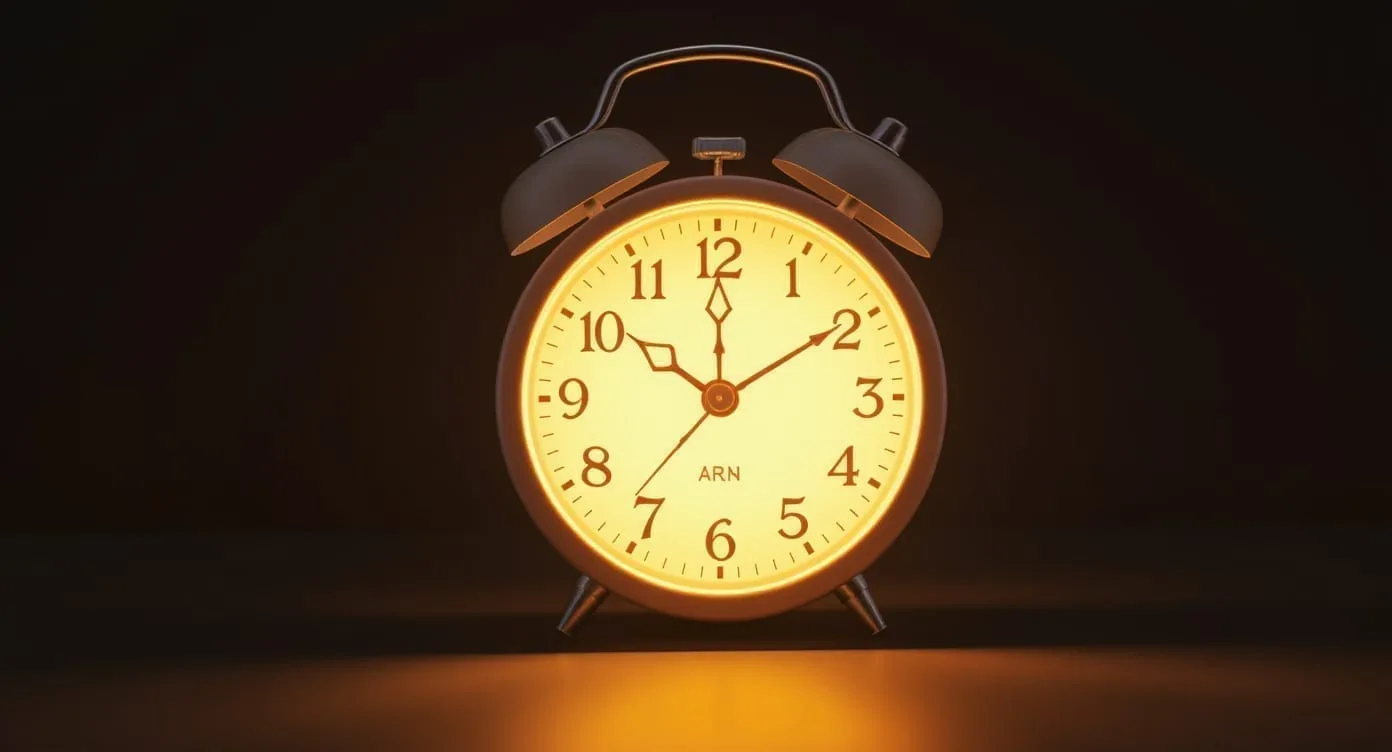
Heavy sleepers have a specific problem: standard phone alarms are designed for light-to-moderate sleepers, and they fail silently on the people who need them most. If you've ever woken up 45 minutes after your alarm should have fired, with zero memory of hearing it, you need something different — a device that wakes you with multiple simultaneous channels: bright light, loud escalating sound, and often a vibration or physical-interaction component. That's what this guide covers.
Why phone alarms fail heavy sleepers
Two reasons:
1. You adapt to the same sound. Your brain learns to ignore repetitive auditory patterns. The iPhone default alarm at the same volume every morning gradually becomes background noise. You literally stop hearing it during deep sleep.
2. Sound-only wake-up happens in the wrong sleep stage. If your alarm fires during REM or slow-wave sleep, you have high sleep inertia and will often snooze or silence it without ever reaching conscious awareness. Light-based alarms help because they begin before the sound alarm and gradually pull you out of deep sleep.
The fix: multi-channel alarms that use light + sound + schedule-shifting to wake you reliably.
What to look for in a heavy-sleeper alarm
1. Bright peak light. For light to actually wake a heavy sleeper, it needs to reach at least 250+ lux at pillow distance. Cheap sunrise alarms top out at 100 lux — fine for light sleepers, inadequate for heavy ones.
2. Loud maximum sound. Some alarms cap at ~60 dB. Heavy sleepers need 80+ dB as a backup.
3. Escalating wake-up. Starting gentle and ramping up over 20–40 minutes is more effective than a sudden jolt — it gradually raises cortisol before the sound alarm fires.
4. Varied sound library. Repetitive sounds get ignored. Alarms with multiple sound options let you rotate to prevent adaptation.
5. No snooze button, or forced interaction. For the heaviest sleepers, a "must-solve-to-dismiss" alarm (captcha, shake, step-off rug) is the only reliable way to prevent snoozing through it.
1. Philips SmartSleep Wake-Up Light HF3520 — Best Light Intensity
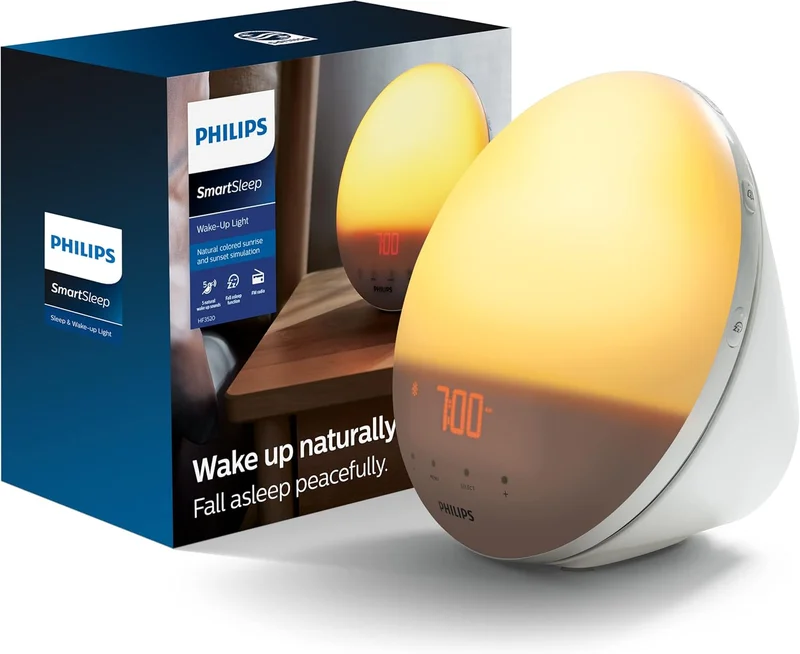
Philips
Philips SmartSleep Wake-Up Light HF3520
$169.95
Pros
- 30-minute gradual sunrise simulation
- Multiple natural wake-up sounds plus FM radio
- Doubles as a bedside lamp with adjustable warm light
Cons
- Premium price for a single-purpose device
- No app or routine programming like the Hatch
The Philips SmartSleep HF3520 is the most-reviewed sunrise alarm for heavy sleepers specifically because it hits 300 lux at pillow distance — the highest brightness of any consumer sunrise alarm. Heavy sleepers who tried cheaper sunrise lamps and found them too weak consistently upgrade to this one.
What heavy sleepers consistently like
- 300 lux brightness. The #1 cited benefit. Actually penetrates closed eyelids enough to trigger wakefulness during deep sleep.
- 30-minute gradual ramp. Light starts at very dim and reaches full brightness over 30 minutes, which gently pulls you out of deep sleep before the sound alarm fires.
- FM radio + natural sounds. Multiple wake sound options to prevent adaptation.
- Simple physical controls. Tap-to-snooze dome, no app required. No smartphone dependency.
- Durable. Philips has sold sunrise alarms for 20+ years; 5-year reviews are common.
Trade-offs
- No wind-down routines. It's purely a wake-up device. If you want a bedside sleep platform, look at the Hatch.
- Radio interface feels dated. Functional but not beautiful.
- Single profile. No second-person alarm for couples with different schedules.
2. Hatch Restore 2 — Best All-in-One Bedside
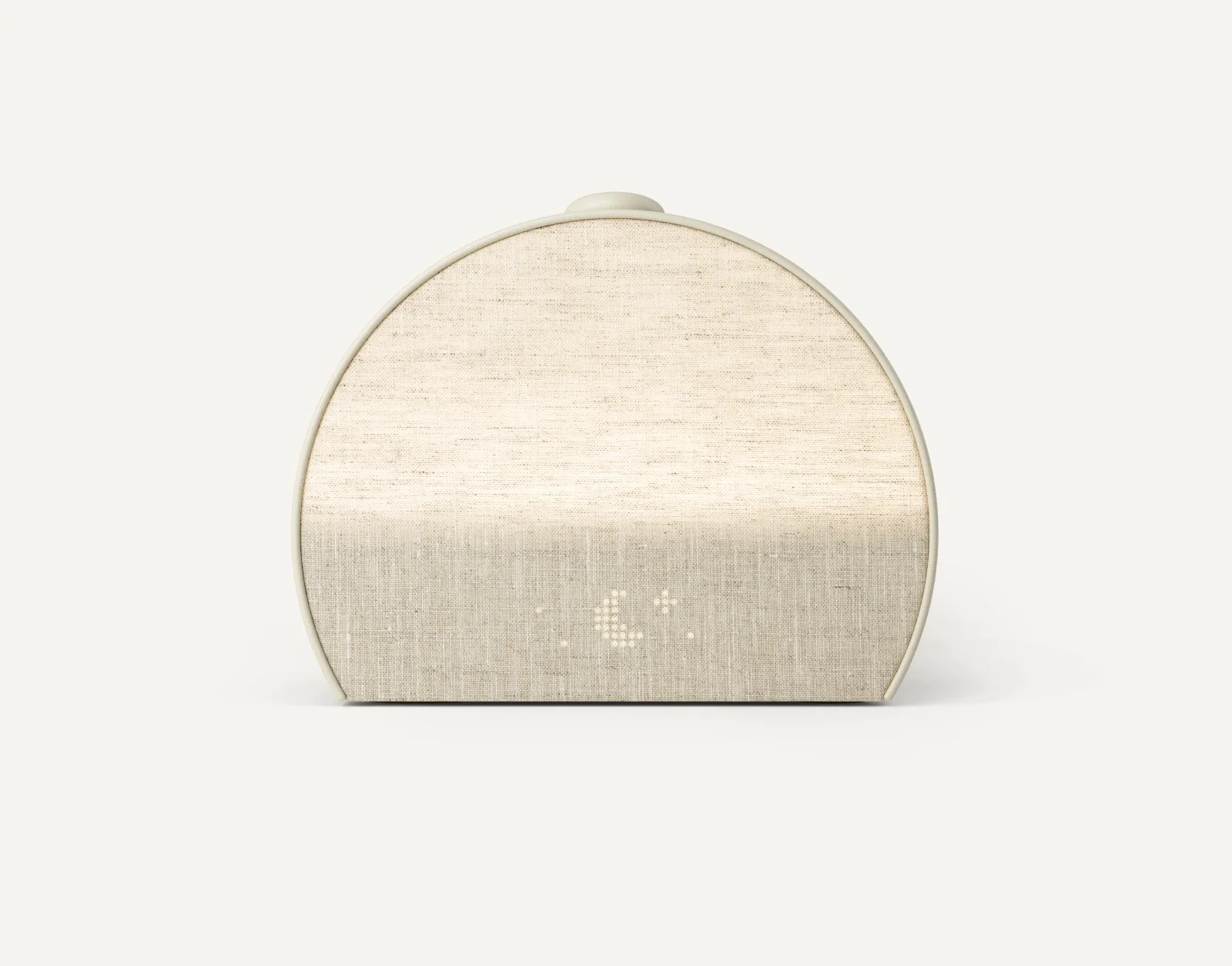
Hatch
Hatch Restore 2
$169.99
Pros
- Programmable wind-down routines
- Gradual sunrise wake-up
- Wide library of sounds and meditations
Cons
- Premium content sits behind a subscription
- App required for setup
The Hatch Restore 2 is less a "brightest light" and more a "complete bedside sleep platform," which matters for heavy sleepers in two ways: wind-down routines before bed (which get you into deep sleep faster, leaving less to climb out of by morning) and multi-channel wake-up that combines light, sound, and custom scheduling.
What heavy sleepers consistently like
- Wind-down routines at bedtime. Reduces the "up until 2 AM scrolling" problem that creates the heavy-sleeper cycle. Verified reviews describe waking feeling less groggy because they went to bed earlier.
- Custom sound library. Rotate between sunrise sounds, nature, radio, alarm tones — prevents your brain from adapting to one sound.
- Programmable escalation. Set the light to start 30 minutes before target wake time, sound to start 5 minutes after the light, radio 2 minutes after the sound.
- Smart home integration. Works with Alexa, Google Home — you can trigger the wake sequence remotely or integrate it with other devices.
- Soft nightlight for middle-of-night. Unlike phone alarms, doesn't blast bright light if you wake at 3 AM to use the bathroom.
Trade-offs
- Less bright than Philips. Peak brightness is lower — for the heaviest sleepers, this is the trade-off.
- Subscription for premium content. Sleep stories and some features sit behind Hatch+.
- App setup required. Phone dependency at setup.
3. Loftie Clock — Best for Phone-Free Sleepers
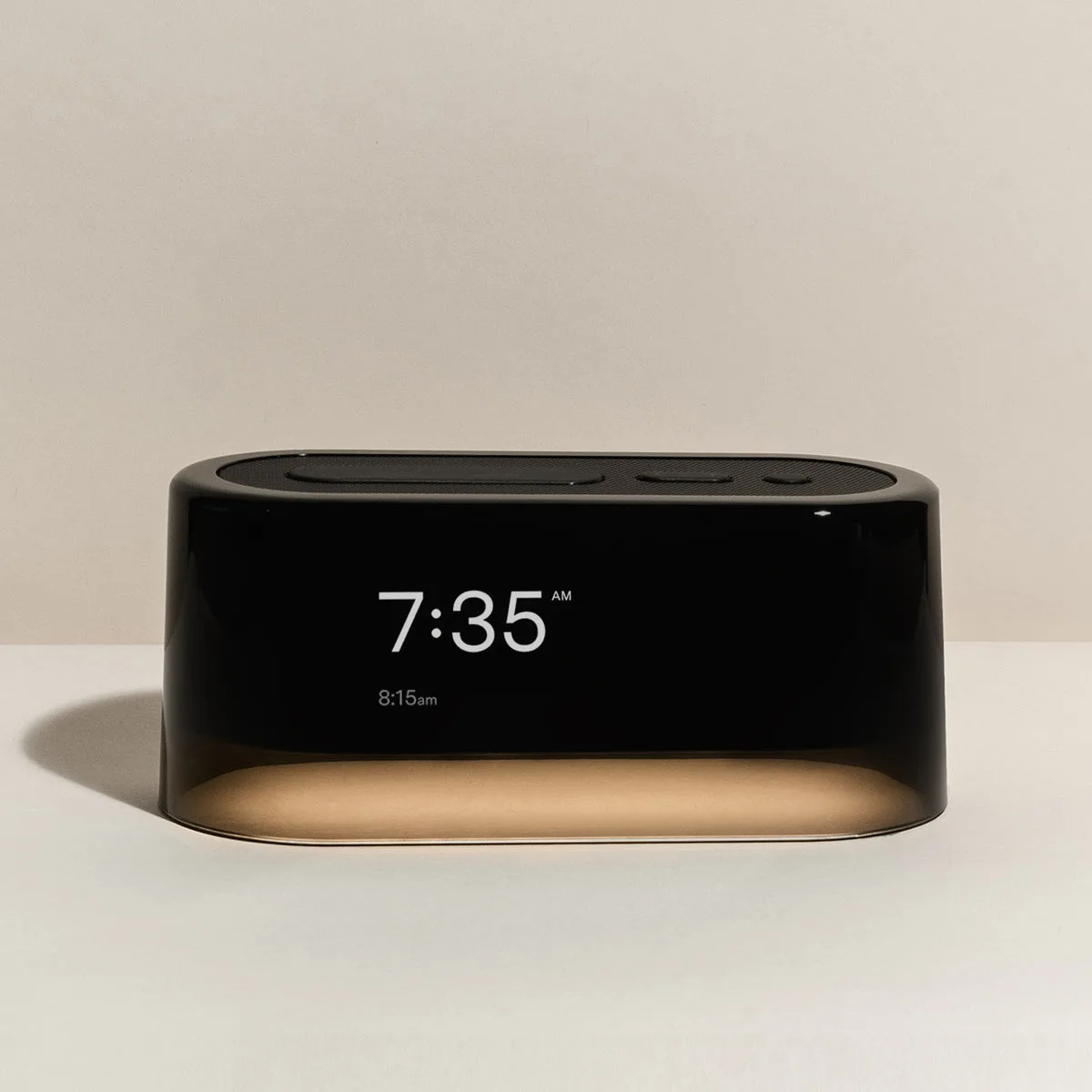
Loftie
Loftie Clock
$165.00
Pros
- Two-phase gentle alarm
- Designed to keep your phone out of the bedroom
- Curated content library
Cons
- App required for setup
- No sunrise light
A surprising subset of heavy sleepers find that removing their phone from the bedroom entirely is the single most impactful change they can make — because late-night scrolling is often the root cause of the deep-sleep deficit that creates the heavy-sleeper problem. The Loftie Clock is purpose-built for this transition: a minimalist bedside clock with gentle alarms, built-in sleep sounds, and zero app dependency during use.
What buyers consistently like
- Two-stage alarm. A gentle first alarm gives you time to wake up gradually, then a louder second alarm fires a few minutes later. For heavy sleepers, this reduces the jolt of a single loud alarm.
- No screen, no notifications. Unlike phone alarms, there's no temptation to scroll in bed. This indirect effect often matters more than the alarm itself.
- Built-in sleep sounds. Rain, ocean, white noise — replaces a separate sound machine.
- Design. Actually looks good on a nightstand. For users who care about bedroom aesthetics, this matters.
- Works with Wi-Fi for updates but doesn't need a phone to use day-to-day.
Trade-offs
- Less bright than Philips. Has a glow but not a true sunrise lamp.
- Pricier than basic alarms. You're paying for the design and phone-free experience, not the raw alarm quality.
- Not for users who love their phone as an alarm. If you're committed to the phone-alarm ecosystem, this isn't the right pick.
How they compare
The multi-alarm strategy for the heaviest sleepers
If none of the above work alone (and for very heavy sleepers, they won't), the combination approach is what detailed reviews consistently point to:
- Sunrise alarm starts 30 minutes before target wake time. Room gradually brightens.
- Backup sound alarm (from the same device or a separate one) fires 5 minutes before target.
- Phone alarm on a different device, placed across the room, fires at target. You must physically stand up to silence it.
- Last resort: a "shake to dismiss" or "captcha" alarm app on the phone that forces brain engagement before it'll silence.
This four-layer approach is overkill for most sleepers but is consistently the only thing that works for people who've been sleeping through single alarms their entire lives.
Frequently asked
Why do I sleep through my phone alarm?+
Do sunrise alarms actually work for heavy sleepers?+
Is the Loftie a real alternative for heavy sleepers?+
Can I just set multiple alarms on my phone?+
What if I can't afford a specialty alarm?+
Where to go next
Related findings.
 Edge Pick
The Best White Noise Machines for Tinnitus in 2026
Tinnitus at night is relentless. The right masking sound can make sleep possible again. Here's what customers with tinnitus consistently rate highest for nighttime use.
 Edge Pick
The Best Weighted Blankets for Deep Sleep (2026)
What the research says about weighted blankets for sleep and anxiety — plus the two products verified buyers consistently rate highest.
 Edge Pick
The Best Weighted Blankets for Anxiety in 2026
Weighted blankets use deep pressure stimulation to calm the nervous system — a technique originally developed for anxiety and sensory disorders. Here's what customers rate highest.