Hatch Restore 2 Review: What Buyers Actually Say
A detailed review of the Hatch Restore 2 sunrise alarm based on thousands of verified buyer reviews — the strengths, the gripes, and who it's actually for.
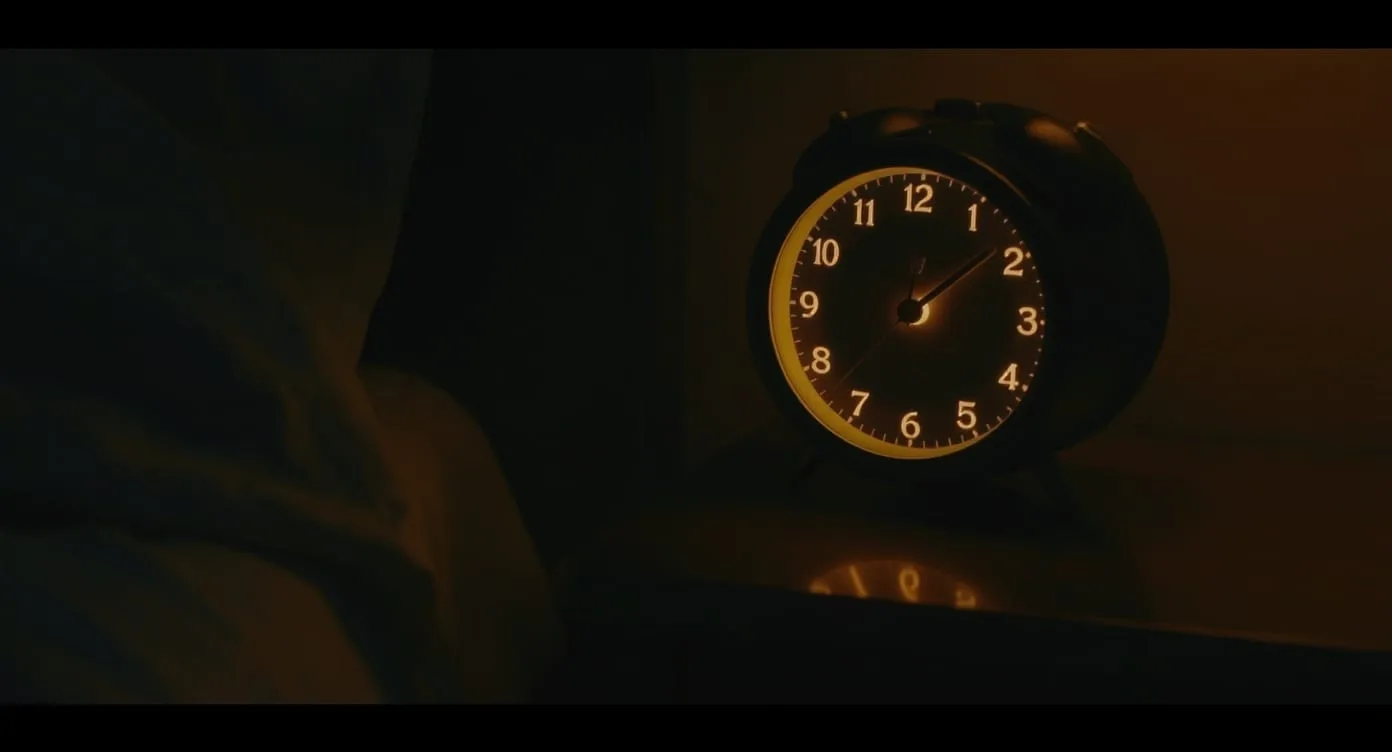
The Hatch Restore 2 is one of the most consistently top-rated bedside devices in the sleep-tech category. With thousands of verified buyer reviews across Amazon, Walmart, and the manufacturer site, it's also one of the most extensively reviewed — which gives us a deep pool of real-world feedback to synthesize.
This review covers the patterns we see across those reviews, cross-referenced with the device's published specs and the broader research on sunrise alarm effectiveness, to give you the most honest summary we can of what owners actually experience over months of use.
Hatch
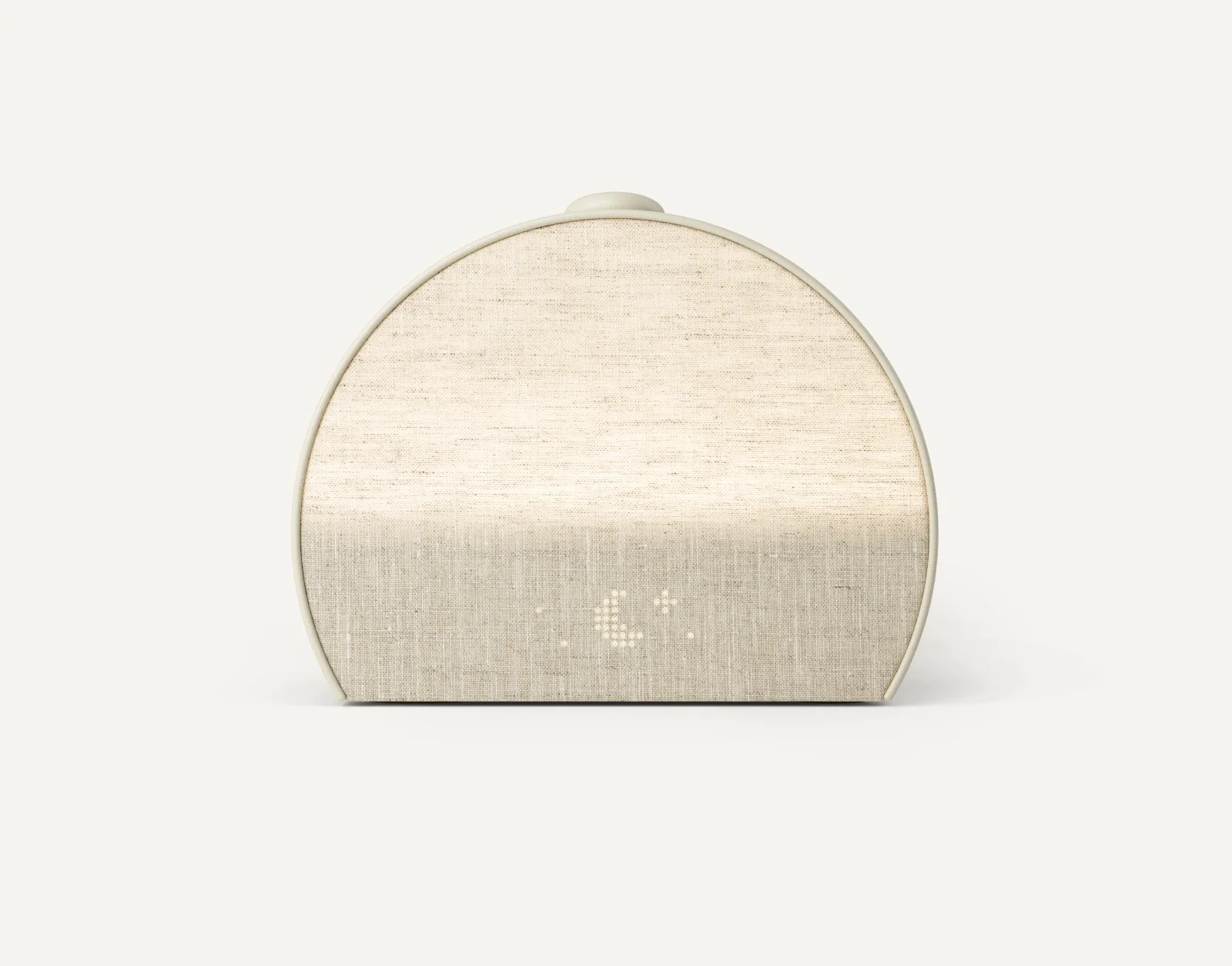
Hatch Restore 2
$169.99
Pros
- Programmable wind-down routines
- Gradual sunrise wake-up
- Wide library of sounds and meditations
Cons
- Premium content sits behind a subscription
- App required for setup
What is the Hatch Restore 2?
The Restore 2 is a bedside smart clock designed to replace your phone as both an alarm and a wind-down tool. It combines three functions in one device:
- Sunrise alarm. A light that gradually brightens over a configurable window (usually 15–30 minutes) before your alarm tone fires.
- Sound machine. A library of ambient sounds — white noise, rain, nature, etc. — for falling asleep.
- Routine engine. A programmable sequence of events: wind-down sounds → meditation → lights out, and in the morning, sunrise → alarm → morning sounds.
The device itself has a soft-touch housing, a compact footprint, and a warm LED display that dims to near-zero at night. It connects to WiFi for setup and content updates, and the configuration happens through the Hatch app on iOS or Android.
What buyers consistently like
The sunrise wake-up
This is the single most-praised feature across all review platforms. Owners describe it as the most natural alarm experience they've had — "like waking up to actual sunlight" is a phrase that appears in hundreds of reviews. The gradual light ramp is especially valued by:
- People in dark winter climates where dawn arrives after they need to be awake
- People who use blackout curtains (common among sleep optimizers)
- Light sleepers whose partners need to wake at a different time
The light is warm-toned and directional enough that many couples report it waking only the person closest to the device. Several long-term reviews specifically mention that the groggy, "jarred awake" feeling they associated with phone alarms disappeared within the first week.
The wind-down routines
The routine system is the second most-cited feature. Users build a sequence — for example, 20 minutes of soft rain sounds, then a 5-minute guided breathwork session, then the light dims to zero — and the device plays it automatically every evening. The behavioral impact, based on reviewer accounts, is that it creates a physical "phone down" trigger: once the routine starts, the phone goes in another room.
This matters because sleep research consistently identifies the pre-bed phone habit as one of the highest-impact negative variables for sleep onset. The Hatch doesn't block your phone — it just makes the alternative more compelling.
Sound quality
Owners who previously used app-based sound machines or cheap Bluetooth speakers consistently comment on the audio quality. The Restore 2's built-in speaker is tuned for nightstand distances and sleep-appropriate frequencies. Common adjectives in reviews: "warm," "full," "not tinny."
What buyers consistently complain about
Subscription gating (Hatch+)
This is the #1 complaint in negative reviews, and it's legitimate. The basic device comes with a solid library of sounds and a few guided content pieces. The expanded library — more meditations, sleep stories, soundscapes, and guided programs — sits behind a monthly Hatch+ subscription.
The hardware works well without the subscription. But the app presents the premium content prominently enough that many owners feel nudged, and several reviewers describe feeling like they're being upsold after paying $200 for the device itself. Whether this bothers you depends on your tolerance for subscription-layered hardware.
App requirement for setup
You can't configure the device without the Hatch app and an account. Once routines are set, the device runs independently — you can modify time and brightness from the physical controls. But initial setup, routine editing, and content browsing all require the app. For privacy-conscious users, this is a friction point.
Price
At ~$200, the Restore 2 is one of the more expensive bedside devices. Most reviewers who rated it 5 stars acknowledge the price but describe it as worth it after months of daily use. Most reviewers who rated it 1–2 stars cite price as a factor — usually in combination with the subscription complaint.
How it compares to alternatives
vs. Loftie Clock
The Loftie is the closest direct competitor. It's specifically designed for the "phone-free bedroom" use case and has a two-phase alarm that users love. But it lacks a sunrise light — which means the morning experience is sound-only. If sunrise is important to you, the Hatch wins. If you don't care about light and prefer a less subscription-heavy approach, the Loftie is worth considering. Read our full Loftie review.
vs. a basic sunrise lamp + separate sound machine
You can replicate most of what the Hatch does with a ~$30 sunrise lamp and a ~$50 sound machine. The total cost is lower, but you lose the integrated routine system, the single-device simplicity, and the app-based content library. For people who value the "one device does everything" approach, the Hatch is the integrated answer. For people who want the cheapest path to a sunrise alarm, the two-device approach works fine.
vs. your phone
Your phone can simulate a sunrise (some alarm apps do this), play sleep sounds, and set alarms. The behavioral research on why a dedicated device might be better comes down to one thing: removing the phone from the bedroom removes the temptation to scroll. If you have the discipline to put your phone in airplane mode face-down at 9 PM, the phone works. Most people don't.
Who it's for
Where to buy
Frequently asked
Do I need the Hatch+ subscription?+
Does it work without WiFi?+
How bright is the sunrise light?+
Can I use it as a regular nightlight?+
How long do they typically last?+
Where to go next
- Compare all three smart alarm clocks
- Loftie Clock detailed review
- 12 evidence-based ways to sleep better tonight
Related findings.
 Lab Report
Zinus Green Tea Memory Foam Mattress Review: The $400 Mattress Most People Actually Need
A detailed review of the Zinus 12-Inch Green Tea Memory Foam Mattress — the most-reviewed budget mattress on Amazon, and why it satisfies 80% of sleepers at 25% of the premium price.
Yogasleep Rohm Travel White Noise Machine Review: The Pocket-Sized Sleep Saver
A detailed review of the Yogasleep Rohm — portability, battery life, sound quality, and how it compares to plug-in alternatives.
 Lab Report
Yogasleep Dohm Review: The 60-Year-Old Design That Still Wins
A detailed review of the Yogasleep Dohm — why a real-fan noise machine from 1962 still outsells digital alternatives, and who it's for.