The Best Smart Alarm Clocks for Deeper Mornings (2026)
A curated guide to sunrise alarms, white-noise machines, and phone-free bedside clocks, based on owner feedback and product specs.
We earn a commission if you buy through links on this page, at no extra cost to you. Picks are based on buyer reviews and specs; we don't test products ourselves. How we work
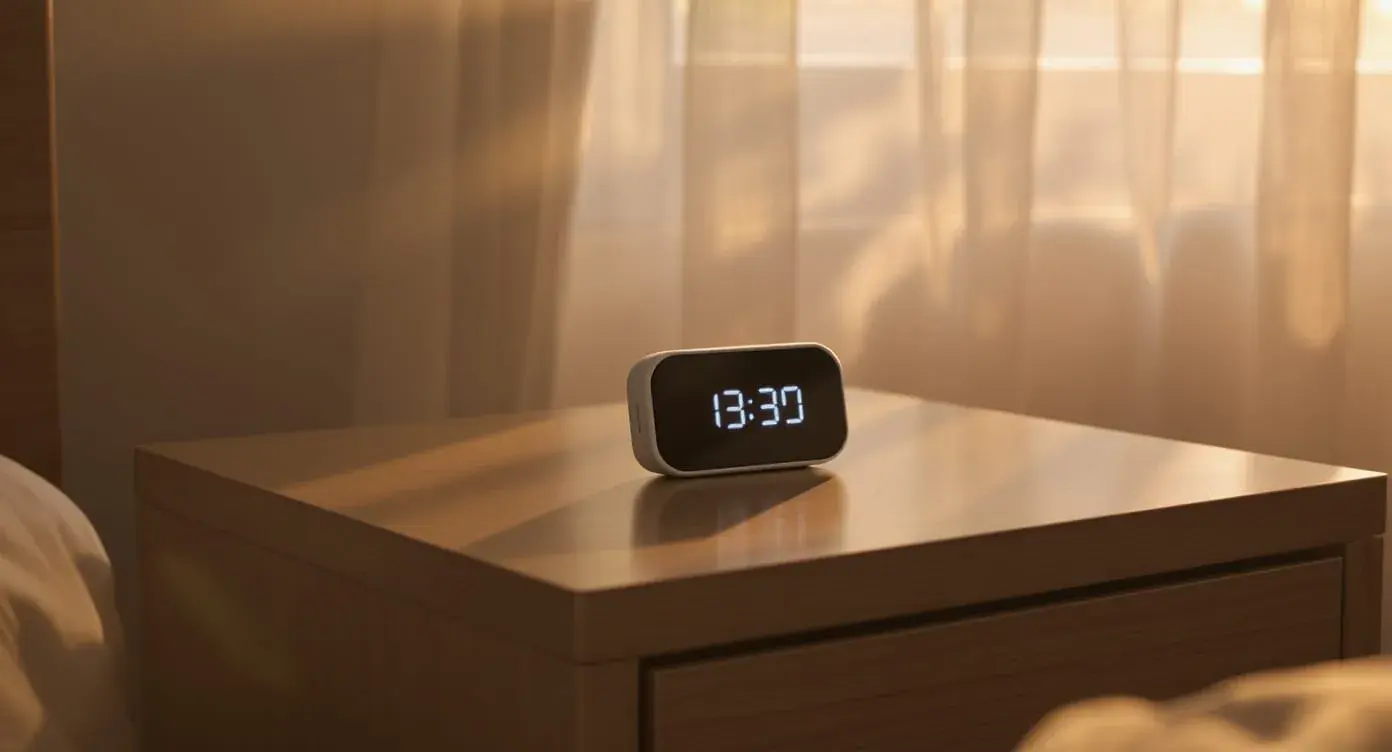
A great alarm clock does more than wake you up — it shapes the first and last 30 minutes of your day. Some research suggests how you wake matters too: morning grogginess (sleep inertia) is common after waking, and early studies suggest gradual light and more melodic sounds may ease that transition compared with an abrupt buzzer.
This roundup summarizes four devices, each solving a different bedside problem. We read owner feedback on retailer and manufacturer sites alongside published specs, and looked for recurring complaints rather than one-off opinions.
What we looked for
Our selection criteria focus on three features that address the most common bedside problems:
-
Gradual light wake-up. Sunrise-simulating lights have some published evidence supporting their ability to reduce sleep inertia and improve subjective morning alertness. A good sunrise alarm ramps up brightness over 15–30 minutes, timing the peak with your alarm. This works even with your eyes closed because some light passes through the eyelids and reaches the retina's light-sensitive cells.
-
Clean, customizable sound. Not all sound machines are equal. The difference between a looping digital recording and a real-fan-based noise generator is easy to hear. People who switch from a phone app to a dedicated device often comment on the audio quality difference.
-
Phone-free design. The behavioral case for getting your phone off the nightstand is strong: algorithmic feeds and notifications activate the dopaminergic reward system at exactly the time you need it quiet. A dedicated bedside device removes the temptation without removing the alarm.
1. Hatch Restore 3 — Best Overall
If you want one device that handles wind-down, sleep sounds and a sunrise alarm, the Hatch Restore 3 is the current version of a common recommendation in this category. It pairs a sunrise alarm and circadian lighting with a library of sleep sounds, and you build bedtime and wake-up routines in the Hatch Sleep app.
What the Restore 3 does best
Hatch designed it to run without your phone at night. A large button on top starts your routine, adjusts the volume and snoozes the alarm, and a separate button pauses the audio. Hatch also says it re-engineered the audio compared with earlier Restore models.
The Restore 3 trade-offs
Setup requires a smartphone and a Hatch account. Hatch+ is an optional paid subscription that unlocks the larger content library, including sleep stories, meditations and extra sounds; a 30-day trial comes with the device, and the sunrise alarm and basic sounds keep working without it. Some owners find the app confusing.
The older Restore 2 is no longer made, and on Amazon it's now mostly sold by third-party sellers.

Hatch
Hatch Restore 3
Pros
- Sunrise alarm with circadian lighting
- 80+ sleep sounds and built-in wind-down routines
- Dimmable clock display for the nightstand
Cons
- Hatch+ subscription needed for full content after the 30-day trial
- Smartphone required for setup
2. Yogasleep Dohm — Best Value for White Noise
The Dohm is a decades-old design that remains a classic in white noise. It uses a real internal fan to generate sound, not a digital recording on a loop, and reviewers often describe the result as more natural, textured, and less fatiguing than app-based or digital noise machines.
What the Dohm gets right
The simplicity is the product. There are no apps, no subscriptions, no WiFi, no lights, and no firmware updates. You twist the cap to tune the pitch and tone, plug it in, and it runs. Owners who tried digital alternatives and came back to the Dohm usually cite the audio quality as the reason.
It's the most affordable option on this list by a wide margin.
Its one limitation
It does exactly one thing: fan noise. There are no nature sounds, no meditations, no alarm, and no timer. If you want ambient variety, this isn't the device. If you want reliable, high-quality white noise at the lowest price, nothing else quite matches it.

Yogasleep
Yogasleep Dohm Classic
Pros
- Real fan-based white noise with natural texture
- Tunable pitch and tone
- Durable build, hand-assembled in the USA
Cons
- Single sound only — no nature or ambient options
- No timer or alarm
3. Amazon Echo Spot — Best for Smart Home Owners
If you already run your home on Alexa, the 2024 Echo Spot is the most capable "smart" clock here in the literal sense. It's a compact bedside clock with a small customizable screen, a speaker built for music and podcasts, and voice control over compatible lights, plugs and thermostats.
What the Echo Spot does well
The wake-up routine is the sleep-relevant feature. Amazon's routines can start music at a set time and bring up compatible smart bulbs gradually, which gets you a light-plus-sound wake-up without a dedicated sunrise lamp. At night you can turn off the lights and set the alarm by voice without picking up your phone. Owners also like the speaker, which sounds fuller than a typical alarm clock's, and there's a physical button to switch off the microphones.
The Echo Spot trade-offs
There's no built-in sunrise lamp; the gradual light only works if you own compatible smart bulbs. It needs Wi-Fi, an Amazon account and the Alexa app to set up, so it's the opposite of the Loftie's phone-free approach. And a screen that shows weather and song titles can draw your attention at night in a way a plain clock doesn't, so dim the display.
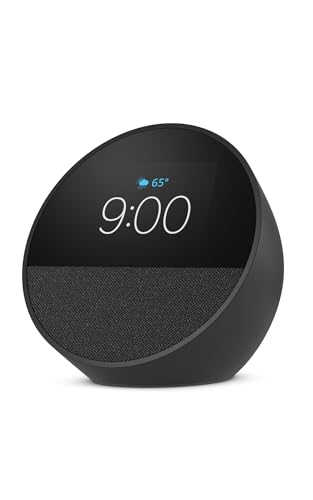
Amazon
Amazon Echo Spot (2024 release, Black)
Pros
- Compact bedside clock with a customizable display and a better speaker than most alarm clocks
- Alexa routines can wake you with music and gradually brightening smart lights
- Physical mic-off button for privacy in the bedroom
Cons
- No built-in sunrise lamp; gradual light requires separate compatible smart bulbs
- Needs an Amazon account, Wi-Fi and the Alexa app
4. Loftie Clock — Best for a Phone-Free Bedroom
If your primary goal is keeping your phone out of the bedroom — and you don't specifically need a sunrise light — the Loftie is the better fit. Its design philosophy is explicitly about replacing the phone as a bedside object, and it appeals most to people who've made that specific behavioral commitment.
Why Loftie owners like it
The two-phase alarm is the feature positive reviews mention most: a gentle chime sounds first, followed several minutes later by the actual alarm. Users report that this noticeably reduces the "startled awake" feeling compared to a single abrupt tone. The content library (breathwork, sleep stories, ambient sounds) gives evening screen time a low-dopamine alternative.
The Loftie trade-offs
There's no sunrise light, so if a gradual light wake-up is important to you, the Hatch is the better choice. The app is required for initial setup, and the premium price puts it well above basic alarm clocks. On Amazon it's currently sold mainly through third-party sellers, which is why it now sits last on this list.
Read our full detailed Loftie review for the complete owner-feedback breakdown.

Loftie
Loftie Clock
Currently unavailable on Amazon (checked 2026-10-15)
Pros
- Two-phase gentle alarm
- Designed to keep your phone out of the bedroom
- Curated content library
Cons
- App required for setup
- No sunrise light
How to choose between these four
A useful framework: ask yourself which of these four statements best describes your situation, and buy accordingly.
- "I need something to replace my phone AND my alarm AND my wind-down routine." → Hatch Restore 3
- "I need something to replace my phone alarm, period. No light, just gentle sound." → Loftie Clock
- "I already have an alarm. I just need noise that doesn't loop and doesn't break." → Yogasleep Dohm
- "I want my alarm to run my smart lights and music by voice." → Amazon Echo Spot
What the research says about alarm types
The published evidence on alarm tone and wake-up quality is still limited but growing. A small 2020 survey study (50 participants) in PLoS ONE by McFarlane et al. found that waking sounds people rated as melodic were associated with lower perceived sleep inertia, while melodically neutral sounds were associated with more. Separately, a 2010 home study by Giménez et al. in Chronobiology International found that people who had difficulty waking early reported significantly fewer sleep-inertia complaints when using an artificial-dawn alarm, which is most relevant in winter when natural dawn light is absent or arrives late.
Neither of these findings is strong enough to make a clinical recommendation, but they're consistent with what owners describe: many people who switch from harsh buzzers to gradual alarms report better mornings.
Frequently asked
Do sunrise alarms actually work?+
Will white noise harm my hearing?+
Are smart clocks better than my phone alarm?+
Can I use a sunrise lamp instead of an alarm clock?+
What if I sleep with a partner who wakes at a different time?+
References
- McFarlane SJ, Garcia JE, Verhagen DS, Dyer AG. Alarm tones, music and their elements: analysis of reported waking sounds to counteract sleep inertia. PLoS ONE, 2020.
- Giménez MC et al. Effects of artificial dawn on subjective ratings of sleep inertia and dim light melatonin onset. Chronobiology International, 2010.
Where to go next
- Full Hatch Restore 2 detailed review
- Best sunrise alarm clocks (deeper dive)
- Best smart bulbs for sleep
- Full Loftie Clock detailed review
- 12 evidence-based tips for better sleep
- Sleep cycle calculator
Related findings.
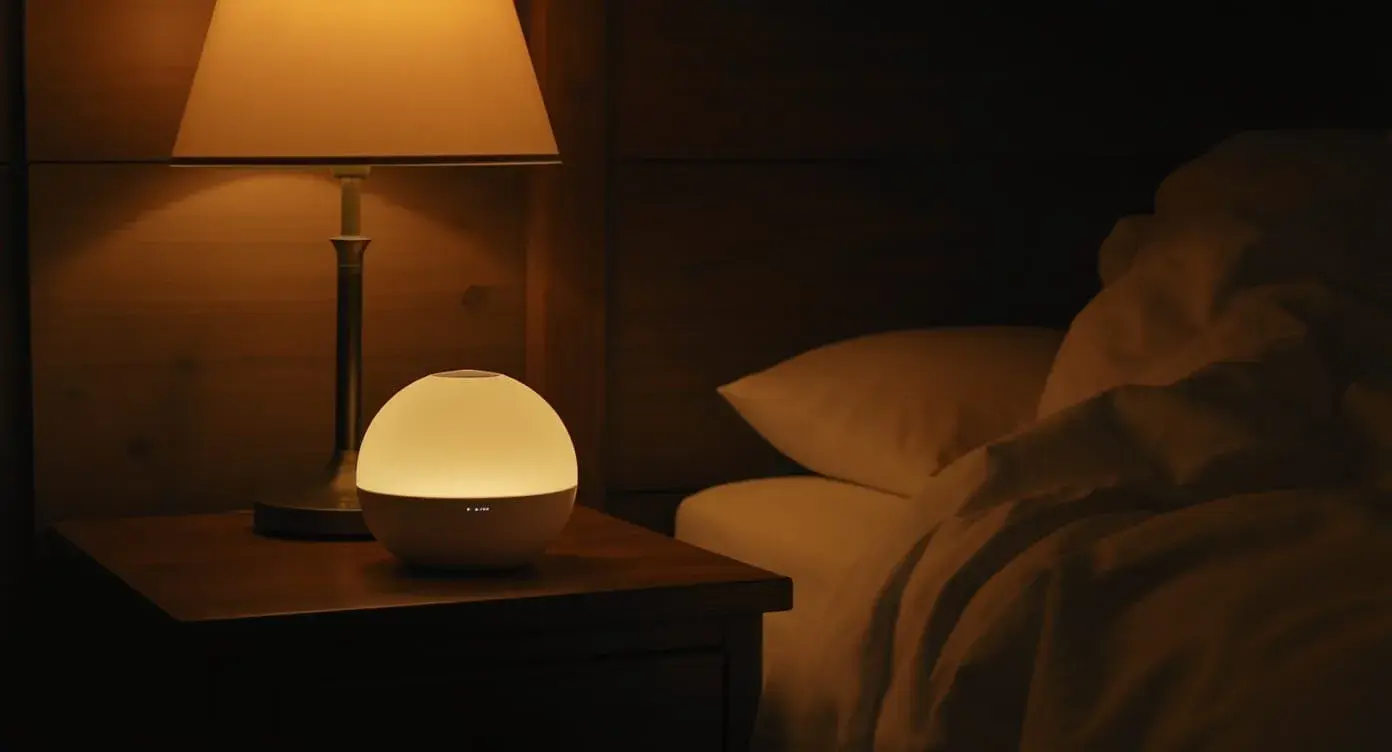 Buyer Report
Yogasleep Dohm Review: The 60-Year-Old Design That Still Wins
A detailed review of the Yogasleep Dohm — why a real-fan noise machine first designed in 1962 still competes with digital alternatives, and who it's for.
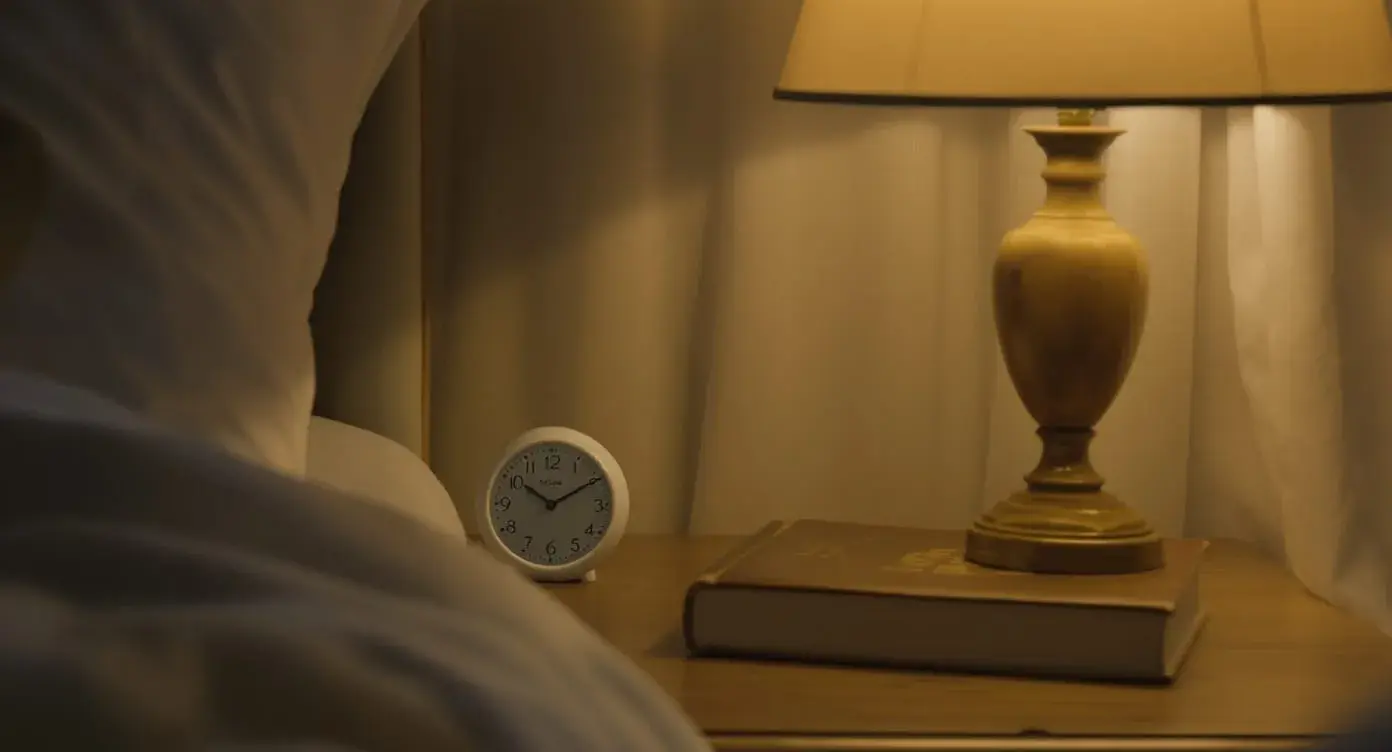 Buyer Report
Loftie Clock Review: A Phone-Free Bedside Companion
A detailed review of the Loftie Clock — the two-phase alarm, the content library, and whether it actually keeps your phone out of the bedroom.
 Edge Pick
The Best Sleep Products for Anxiety in 2026
Products won't cure anxiety-driven insomnia, but the right environment tools can quiet the body enough for sleep to take over. Here's what helps and why.