How to Stop Snoring: Evidence-Based Options That Actually Work
Snoring affects 45% of adults. Here's what the evidence says actually works — from free positional changes to devices — and when it's a sign of something serious.
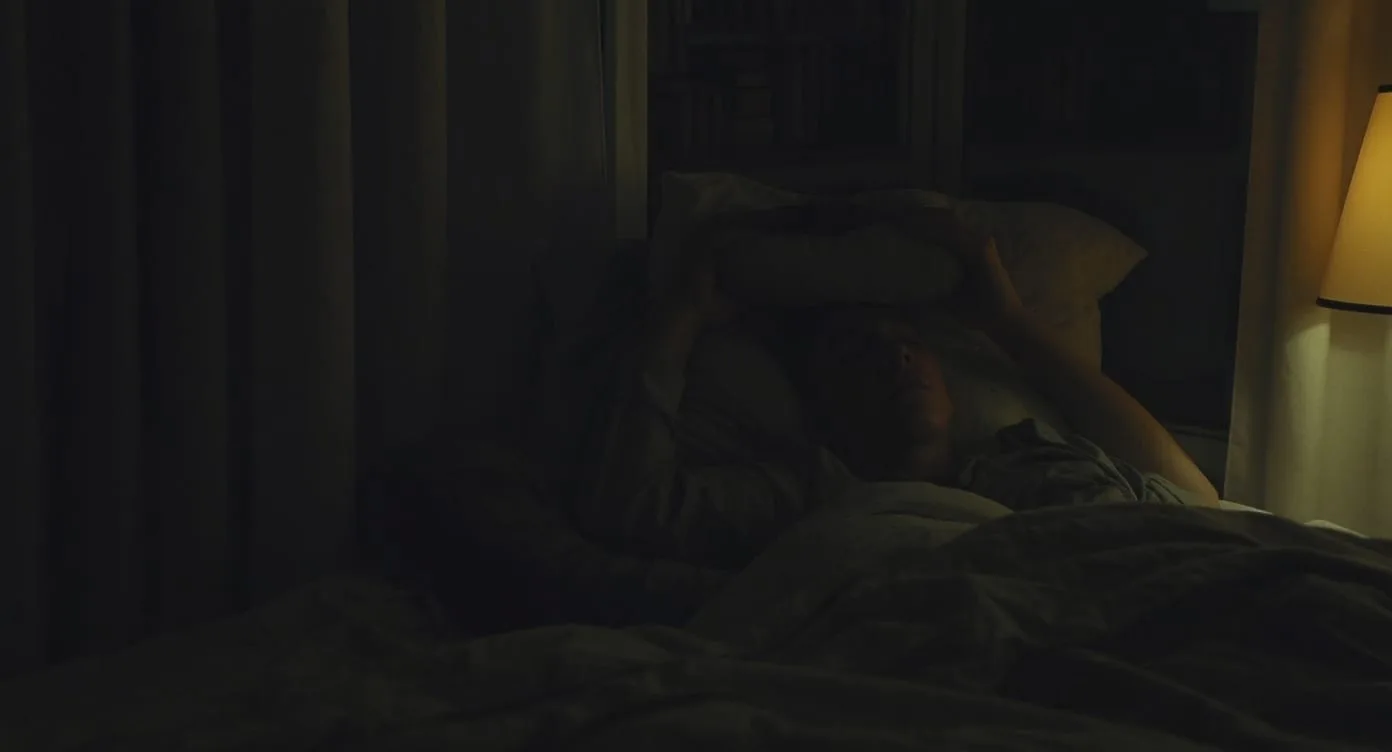
Snoring is the single most common sleep complaint — roughly 45% of adults snore occasionally, and about 25% snore habitually. It's also one of the most common reasons people seek separate bedrooms, which makes it a relationship issue as much as a health one.
Most anti-snoring products on the market are pseudoscience. But the published research does identify a handful of interventions that consistently work for specific types of snoring — and the first step is understanding why you snore, because the solution depends entirely on the cause.
Why people snore
Snoring is the sound of air vibrating past partially collapsed or narrowed tissue in the upper airway — usually the soft palate, uvula, or base of the tongue. The narrower the passage, the faster the air moves, and the louder the vibration.
The factors that narrow the airway fall into a few categories:
Positional
When you sleep on your back, gravity pulls the tongue and soft palate backward toward the airway. This is the most common cause of mild, positional snoring — and the easiest to fix.
Anatomical
Some people have naturally narrower airways: a thick soft palate, enlarged tonsils, a recessed jaw, a deviated septum, or a large tongue relative to the airway space. These factors are structural and don't change with behavior.
Weight-related
Excess weight — particularly around the neck — adds tissue that compresses the airway. Neck circumference above 17 inches in men or 16 inches in women is a commonly used clinical screening threshold for snoring and sleep apnea risk.
Congestion and inflammation
Allergies, a cold, or chronic nasal inflammation narrow the nasal passages and force mouth breathing, which increases soft palate vibration. This type of snoring is often seasonal or temporary.
Alcohol and sedatives
Alcohol relaxes the muscles that keep the airway open, increasing collapse and vibration. This is why people who don't normally snore often snore after drinking.
What actually works (ranked by evidence)
1. Sleep on your side (free)
For positional snorers — people who only snore on their back — this is the most effective single intervention. The evidence is strong: multiple studies show significant reductions in snoring frequency and intensity with lateral sleeping.
How to stay on your side:
- The "tennis ball technique": attach a tennis ball to the back of a sleep shirt. It makes back-sleeping uncomfortable enough to trigger a position change.
- A body pillow or wedge behind your back can prevent rolling.
- Dedicated positional therapy devices (wearable buzzers that vibrate when you roll onto your back) exist and have published evidence supporting their effectiveness.
2. Lose weight (if overweight)
For people with a BMI above 25 and a neck circumference above the thresholds mentioned above, weight loss is one of the most effective long-term interventions. A 2009 study by Tuomilehto et al. in the American Journal of Respiratory and Critical Care Medicine found that a modest weight loss program reduced the severity of sleep-disordered breathing by roughly 50% in overweight patients.
The relationship is dose-dependent: even a 10% reduction in body weight can meaningfully reduce snoring.
3. Avoid alcohol within 3 hours of bed
Alcohol relaxes the upper airway muscles and worsens snoring in almost everyone — including people who don't snore when sober. For people whose partners report that their snoring is worse after drinking, this is the most immediately actionable fix.
4. Treat nasal congestion
If your snoring is associated with a stuffy nose, treating the congestion often helps:
- Nasal saline rinse — clears mucus and reduces inflammation
- Nasal steroid spray (e.g., fluticasone) — for chronic allergic congestion
- Nasal strips (e.g., Breathe Right) — modest evidence for opening the nasal valve
- Addressing allergies — dust mite covers, air purifiers, antihistamines
5. Oral appliances (for moderate snoring)
Mandibular advancement devices (MADs) hold the lower jaw forward during sleep, which opens the airway at the base of the tongue. Custom-fitted devices from a dentist have the strongest evidence; over-the-counter boil-and-bite versions are cheaper but less effective and less comfortable.
Published evidence: a 2006 Cochrane review found that oral appliances significantly reduce snoring compared to no treatment, though they're less effective than CPAP for sleep apnea.
6. CPAP (for sleep apnea)
If your snoring includes pauses, gasps, or choking — or if you have daytime sleepiness despite adequate time in bed — you may have obstructive sleep apnea. CPAP (Continuous Positive Airway Pressure) is the gold-standard treatment and eliminates snoring in virtually all users.
See our sleep apnea warning signs guide for the full symptom list.
What doesn't work (despite being sold)
Anti-snoring sprays and lozenges
These coat the throat tissue with lubricant, claiming to reduce vibration. Published evidence: essentially none. The effect, if any, is temporary and minimal.
Magnetic nose clips
No published mechanism of action. No credible clinical trials. Pure pseudoscience.
"Smart pillows" that claim to stop snoring
Some products inflate or vibrate to shift your head position. The concept has theoretical merit (positional change), but the execution is usually too gentle to actually prevent back-sleeping, and the published evidence is thin.
Essential oils
Peppermint or eucalyptus oils may temporarily reduce nasal congestion (mild decongestant effect), but they don't address the upper airway collapse that causes most snoring.
When snoring is a medical problem
These are all signs of possible obstructive sleep apnea — a condition with serious cardiovascular consequences if untreated. A sleep study (at-home or in-lab) can confirm or rule it out, and treatment is highly effective.
A step-by-step approach
- Try side sleeping first (free, often effective for positional snoring)
- Cut alcohol within 3 hours of bed (free, immediate)
- Treat any nasal congestion (saline rinse + OTC steroid spray)
- If overweight, pursue gradual weight loss (10% body weight is a meaningful target)
- If still snoring: see a doctor for evaluation — may need an oral appliance or sleep study
- If apnea is diagnosed: CPAP is the standard treatment
For the partner
If you share a bed with a snorer and they haven't yet seen a doctor, the most useful things you can do:
- Observe and report: note whether the snoring includes pauses, gasps, or choking — this is critical diagnostic information
- Use white noise to mask what you can: the Yogasleep Dohm is consistently rated for this purpose
- Try earplugs for mild snoring
- Don't suffer silently: separate bedrooms are a legitimate, healthy option while the problem is being addressed — there's no shame in it
Frequently asked
Do nasal strips work?+
Can children snore?+
Will snoring go away on its own?+
Is surgery effective for snoring?+
Does raising the head of the bed help?+
References
- Tuomilehto HPI et al. Lifestyle intervention with weight reduction: first-line treatment in mild obstructive sleep apnea. American Journal of Respiratory and Critical Care Medicine, 2009.
- Lim J et al. Oral appliances for obstructive sleep apnoea. Cochrane Database of Systematic Reviews, 2006.
- Ravesloot MJL et al. The undervalued potential of positional therapy in position-dependent snoring and obstructive sleep apnea. Sleep and Breathing, 2013.
Where to go next
- 8 warning signs of sleep apnea
- Yogasleep Dohm review (for partners)
- 12 evidence-based sleep tips
- Best products to stop snoring
- Best earplugs for a snoring spouse
Related findings.
 Protocol
Why You Wake Up at 3 AM (And What You Can Do About It)
Middle-of-the-night wake-ups have a small set of common causes — and most of them are addressable. A writer-curated look at what's really happening at 3 AM.
 Protocol
Why We Dream: What Science Actually Knows (and Doesn't)
Dreams aren't random noise. Published neuroscience points to specific functions — memory, emotion, creativity. Here's what we know and what's still a mystery.
 Protocol
Sleep for Shift Workers: A Survival Guide
Night shifts fight your biology. Here's what published research says about managing sleep when your schedule won't cooperate.