The Best Smart Bulbs for Sleep in 2026
The right smart bulb shifts warm amber at night and bright cool during the day — mimicking natural light and protecting melatonin. Here's what customers consistently rate highest on Amazon and Walmart.
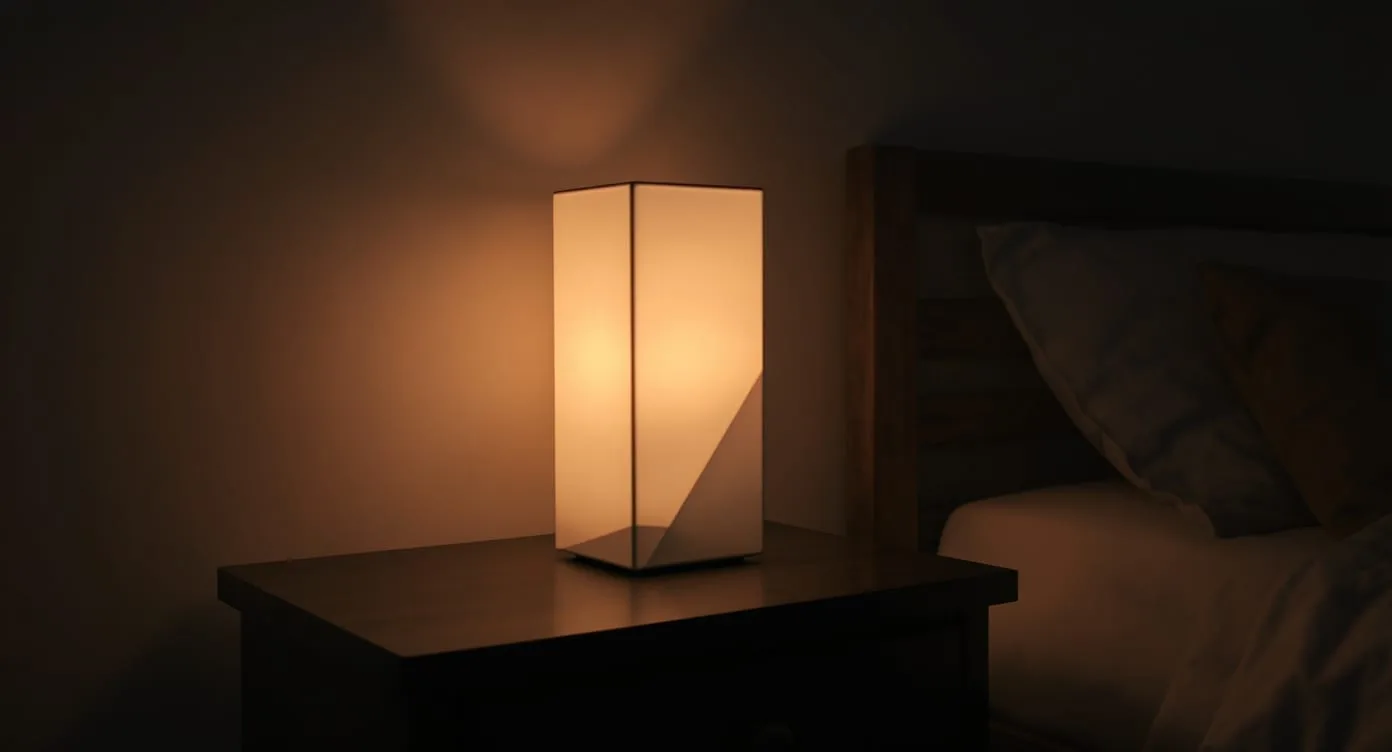
The single highest-leverage circadian intervention most people aren't making is shifting their lighting through the day. Bright, cool-toned light in the morning signals wakefulness; warm, dim amber at night protects melatonin production. A regular light bulb can't do this — it's the same color all day. A smart bulb can, and the good ones do it automatically based on your schedule.
This guide covers the smart bulb that consistently leads verified buyer reviews for circadian sleep use — with a focus on what actually matters versus marketing features you'll never use.
What to look for in a sleep-oriented smart bulb
1. Color temperature range. For circadian sleep use, you need a bulb that can go from 2000K (warm amber/candlelight) up to 6500K (cool daylight). Bulbs that only shift within a narrow range (say 2700K–4000K) can't deliver the full evening wind-down signal.
2. Dimming range. A bulb that only dims to 20% is too bright in bed. Look for bulbs that go below 5% brightness — which is what you want for evening reading.
3. Scheduling. The whole point is automation. Good bulbs support schedules via an app or via integration with Alexa, Google Home, or Apple HomeKit. Manual-only bulbs defeat the purpose.
4. Hub vs. no-hub. Some smart bulbs require a separate hub (like Philips Hue Bridge). Others connect directly to Wi-Fi. Hub-based systems are more reliable but cost more upfront.
5. Real-world reliability. Verified reviews reveal which brands actually stay connected vs. the ones that require constant reconnection. This is the #1 source of smart bulb complaints.
1. Philips Hue White Ambiance Bulb — Best Overall
Philips
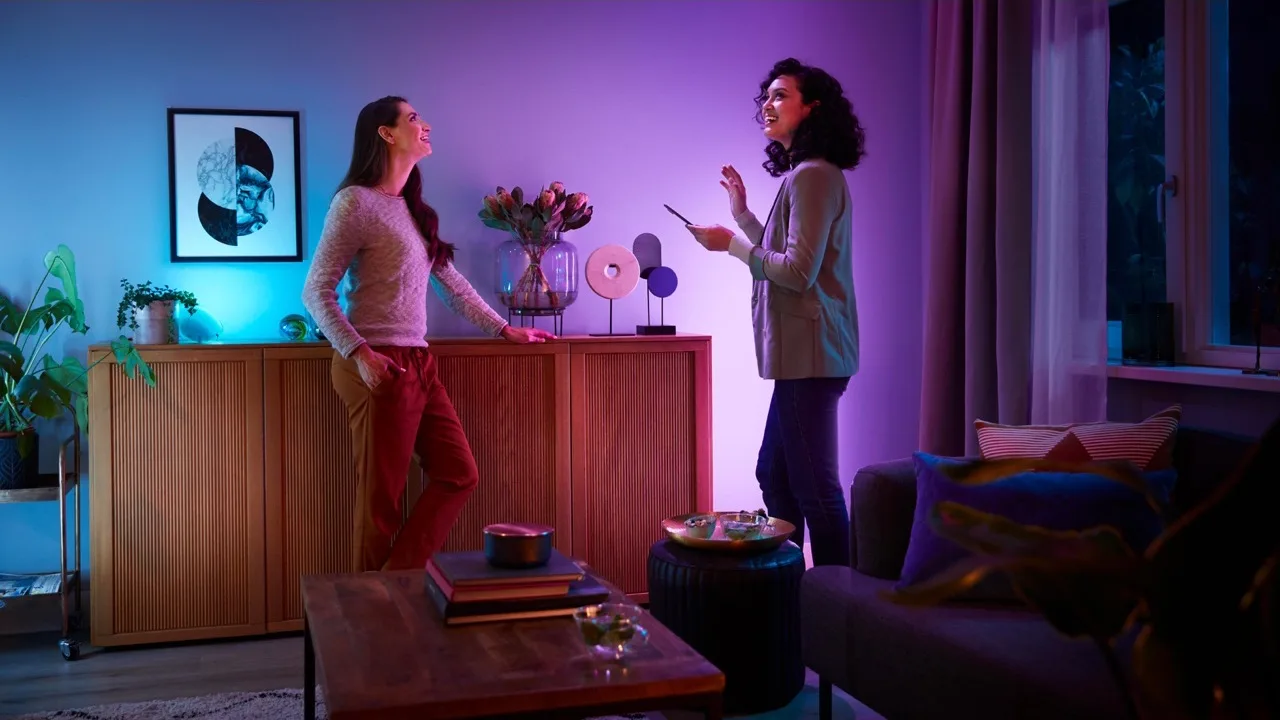
Philips Hue White Ambiance Bulb (A19)
$24.99
Pros
- Adjustable warm-to-cool color temperature for circadian-friendly evenings
- Schedules and routines via app for automatic dimming
- Long lifespan and low energy use
Cons
- Requires Hue Bridge for full functionality
- More expensive per bulb than basic smart bulbs
Philips Hue is the most-mature smart bulb ecosystem, and detailed reviews consistently put it at the top of the reliability rankings. The White Ambiance model (vs. the cheaper White, which only dims, or the more expensive Color model, which is overkill for sleep use) is the sweet spot for circadian lighting: 2200K–6500K color temperature range, deep dimming, and full integration with every major smart home platform.
What buyers consistently like
- Reliability. The #1 cited advantage over cheaper Wi-Fi bulbs. The Hue system uses Zigbee (through the Hue Bridge) instead of Wi-Fi, which means bulbs stay connected without the random dropouts that plague Wi-Fi-only smart bulbs.
- Full circadian temperature range. Goes from 2200K (very warm, close to candlelight) to 6500K (cool daylight). This is the range you need for morning-cool, evening-warm scheduling.
- Deep dimming. Dims lower than most competitors — useful for reading in bed without blasting your eyes.
- Mature scheduling features. The Hue app supports sunrise/sunset routines, fade-in wake-up, and automated wind-down. These are the features that actually protect sleep — and they work without third-party scripts.
- Works with everything. Alexa, Google Home, Apple HomeKit, SmartThings, IFTTT, plus an open API for tinkerers.
- Long lifespan. Hue bulbs are rated for 25,000 hours and detailed reviews confirm 5+ year lifespans are common.
Trade-offs
- Requires the Hue Bridge for full functionality. If you don't already own one, add ~$60 to your starting cost. You can use Bluetooth-only mode without the bridge, but you lose the scheduling and remote access — which are exactly the features sleep users need.
- Price per bulb. 2–3x the cost of generic Wi-Fi smart bulbs.
- White Ambiance vs. White. If you already own Hue but bought the "White" model (not White Ambiance), it can only dim — not change color temperature. Make sure you're buying the right SKU for circadian use.
How to use a smart bulb for better sleep
The setup that has the biggest impact in detailed reviews:
Morning (6:00 AM – 9:00 AM): Bulb gradually brightens from off to full, starting 15–30 minutes before wake time, at 6500K (cool daylight). This mimics natural sunrise and helps shut down overnight melatonin.
Midday (9:00 AM – 6:00 PM): Full brightness at 4000K–5000K (neutral daylight). Matches indoor office lighting.
Evening wind-down (6:00 PM – 9:00 PM): Gradually shift from 4000K to 2500K, dim from 100% to 40%. Reduces melatonin-suppressing blue light during the last few hours before bed.
Pre-sleep (9:00 PM – bedtime): 2200K at 10–20% brightness. Very warm, very dim. Reading-friendly but not alerting.
Sleep hours: Off.
This entire sequence can be programmed once in the Hue app and will run automatically every day. Most reviewers who set it up describe it as the single most impactful sleep change they've made in years.
A note on cheaper alternatives
Wi-Fi-only smart bulbs (like generic brands from Amazon) are significantly cheaper than Hue — but detailed reviews consistently report connection issues, slow response times, and random disconnects that defeat the purpose of automation. If your goal is to actually follow a circadian schedule, the reliability of the Hue system is usually worth the price difference. If you're just experimenting to see if smart lighting helps your sleep, a cheap Wi-Fi bulb is a valid starting point — just know the experience will be frustrating.
Frequently asked
Do smart bulbs actually help with sleep?+
What's the difference between Hue White, White Ambiance, and Color?+
Can I use smart bulbs without a hub?+
How warm does the bulb need to go for evening use?+
Should I still use blue-light-blocking glasses if I have smart bulbs?+
Where to go next
Related findings.
 Edge Pick
The Best White Noise Machines for Tinnitus in 2026
Tinnitus at night is relentless. The right masking sound can make sleep possible again. Here's what customers with tinnitus consistently rate highest for nighttime use.
 Edge Pick
The Best Weighted Blankets for Deep Sleep (2026)
What the research says about weighted blankets for sleep and anxiety — plus the two products verified buyers consistently rate highest.
 Edge Pick
The Best Weighted Blankets for Anxiety in 2026
Weighted blankets use deep pressure stimulation to calm the nervous system — a technique originally developed for anxiety and sensory disorders. Here's what customers rate highest.