The Best Sleep Gear for College Students in 2026
Dorm rooms are the worst sleep environments most people will ever live in. Here's the compact, budget-friendly gear that college students consistently rate highest for actually getting rest.
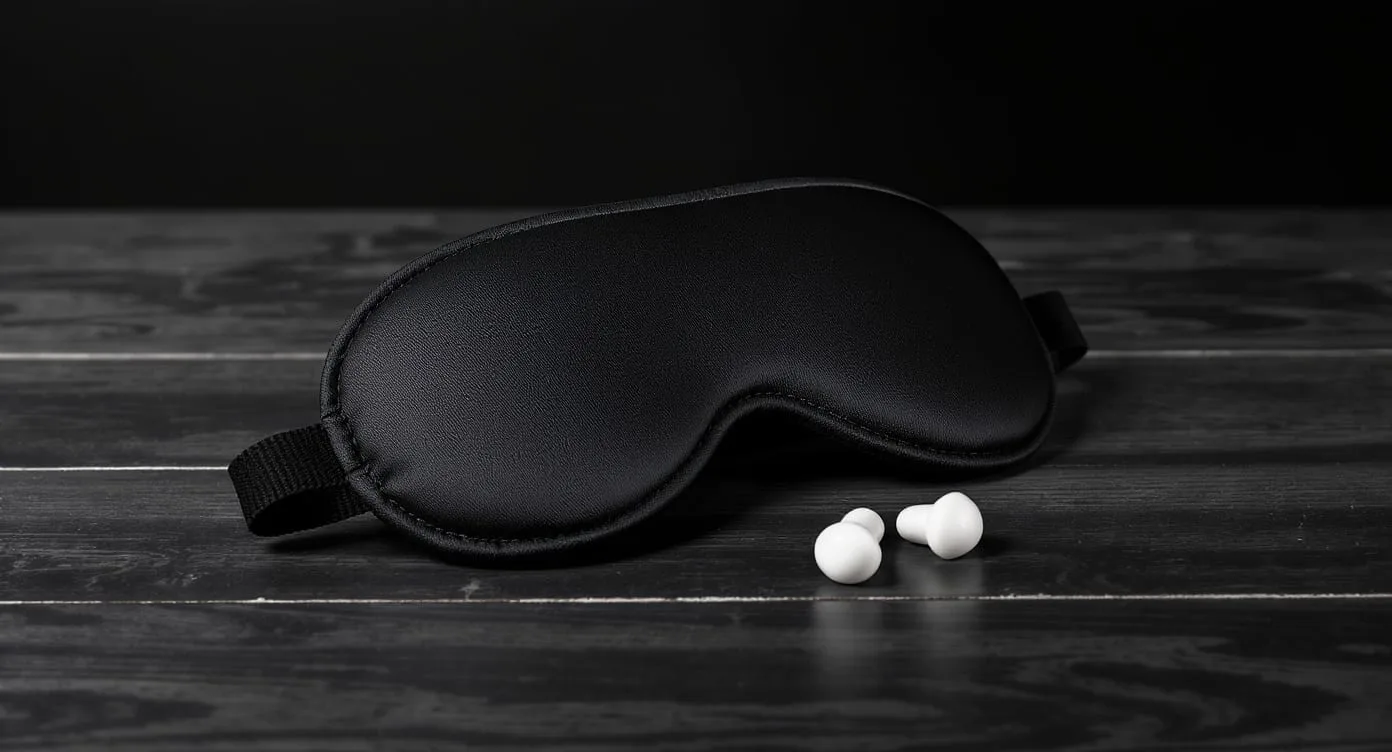
Dorm rooms are genuinely one of the worst sleep environments most people will ever live in. A shared 12×15 room with overhead lighting you can't control, thin walls you can hear every conversation through, a roommate on a different schedule, fluorescent hallway lights leaking under the door, and a mattress that four previous residents have abused. Most college students give up on sleep quality entirely and spend four years chronically tired. They shouldn't — a $100 kit of four items can dramatically improve dorm sleep without requiring permission from anyone.
This guide covers the four items that consistently top detailed reviews from actual college students for dorm-room sleep optimization — cheap, packable, and effective against the specific problems dorms create.
Why dorm sleep is uniquely hard
Four problems unique to dorms:
1. Roommate schedule mismatch. Your roommate is up until 2 AM on their laptop. Or up at 6 AM for rowing. Or both. You can't control when they're awake.
2. Acoustic chaos. Thin walls, shared hallways, people coming and going at all hours, dorm parties three doors down. Noise from every direction, at every hour.
3. Uncontrolled lighting. Hallway fluorescents leak under the door. Roommate's desk lamp is on at 1 AM. Your own ceiling light has one setting: surgical theater.
4. Bad mattress, bad pillow. You get what the dorm provides. Usually a vinyl-covered mattress and a flat foam pillow that two other students already slept on.
Solving all four is a $100 investment that will pay off dramatically over four years of college.
What to buy and why
The four items below each solve one dorm-specific problem. You can buy them individually, but they work best as a complete kit.
1. Manta Sleep Mask — Controls Light
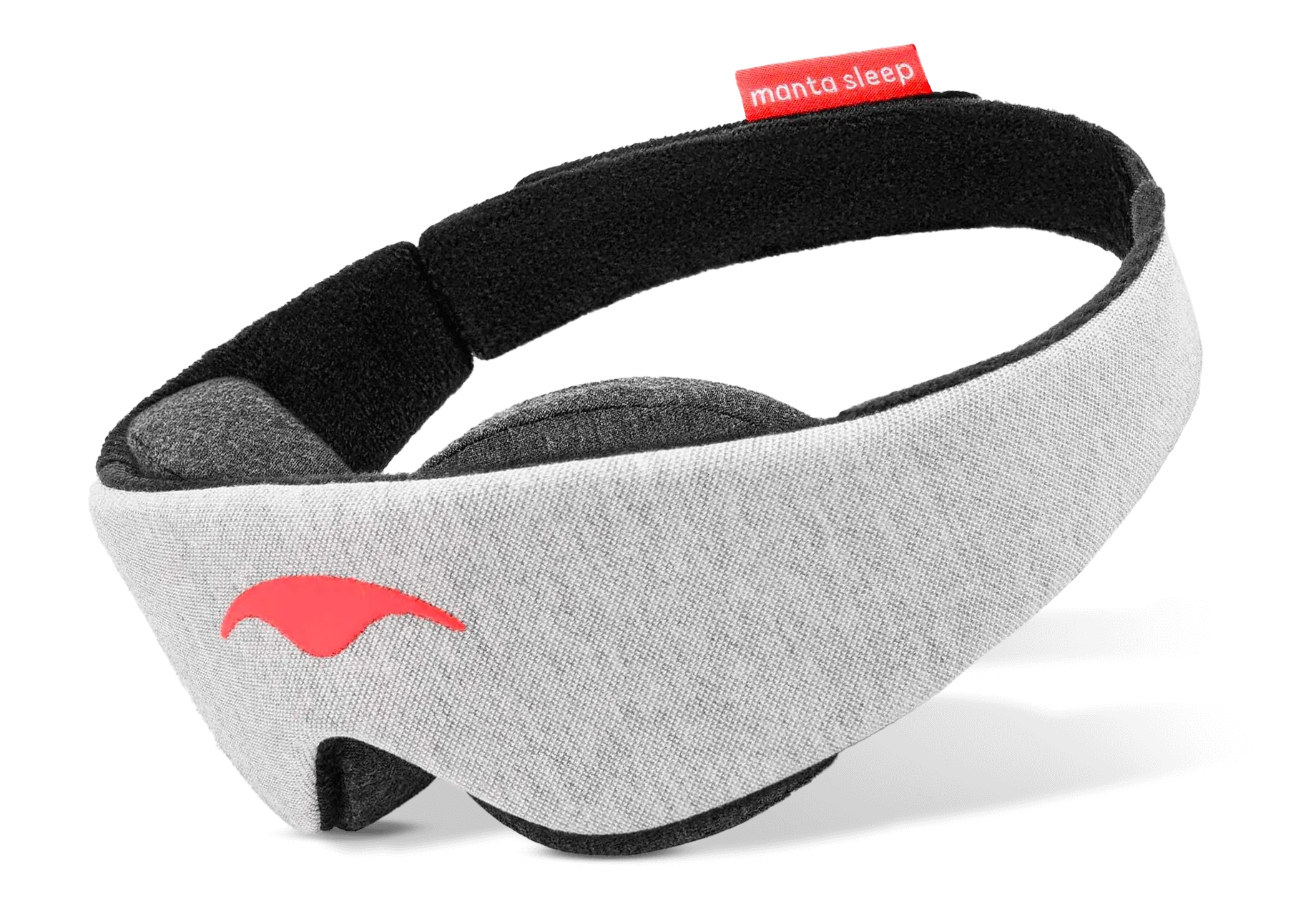
Manta Sleep
Manta Sleep Mask
$35.00
Pros
- Adjustable eye cups for total blackout
- Zero pressure on eyelids
- Modular and machine washable
Cons
- Bulkier than flat masks
- Strap can loosen over months of heavy use
A sleep mask is the single best dorm purchase for anyone whose roommate goes to bed later or wakes up earlier than they do. The Manta's eye-cup design is specifically recommended for college use because dorm pillows are thin and lumpy — flat masks get crushed against the pillow, but eye cups keep fabric off the eyes regardless of sleeping position.
Why it works for dorms
- Total light blocking regardless of dorm lighting chaos. Doesn't matter if the roommate's desk lamp is on or the hallway fluorescents are leaking — the mask creates your own personal darkness.
- Side-sleeper comfort on a bad dorm pillow. The eye cups mean you can lie on your side even on a pancake-flat dorm pillow without the mask digging into your face.
- Adjustable strap. Fits any head size, which matters because you're probably sharing a limited bathroom and don't want a sleep mask contest with your roommate.
- Compact. Packs flat in a small drawer.
Cost: ~$35.
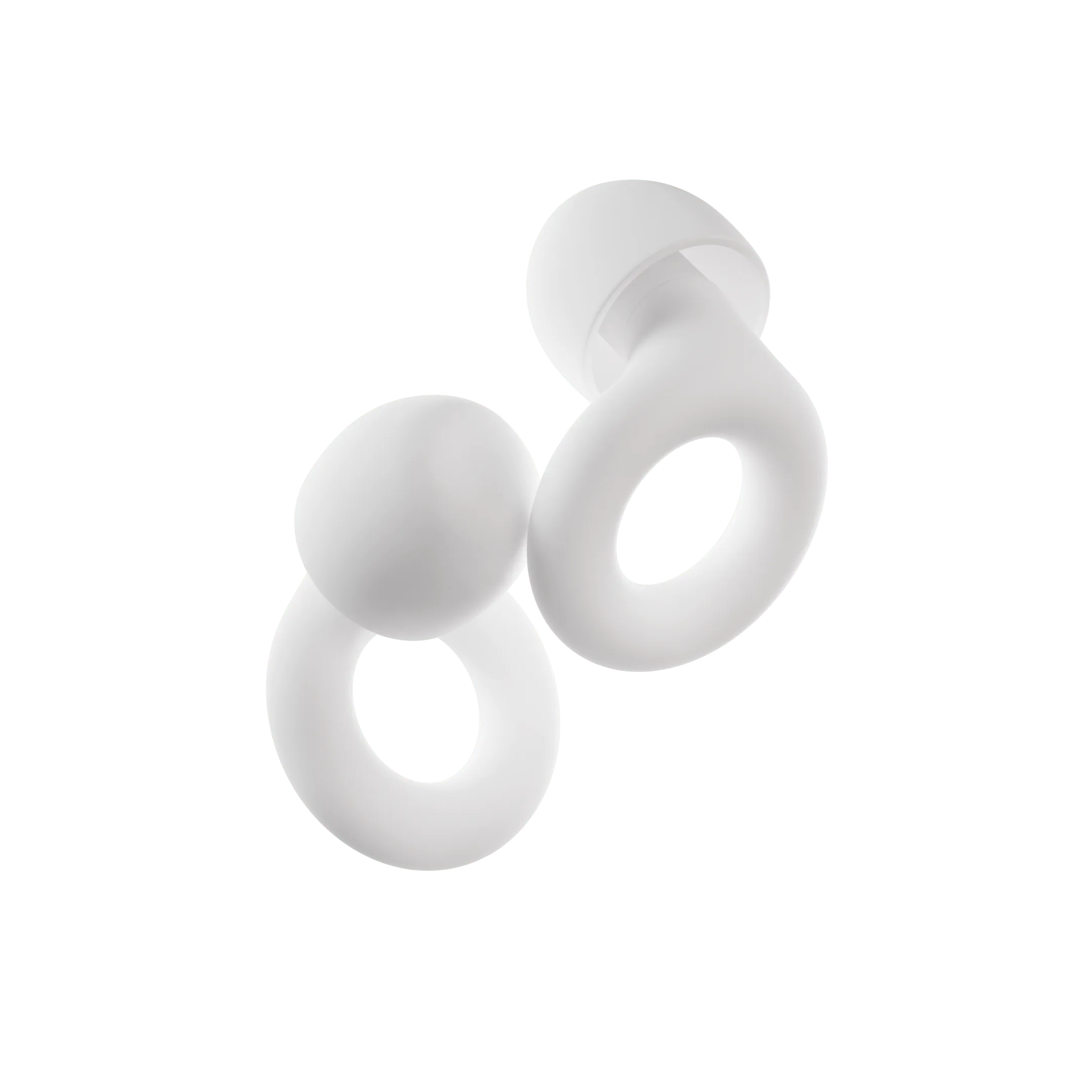
2. Loop Quiet 2 Earplugs — Controls Noise (Light Sleepers)
Loop
Loop Quiet 2 Earplugs
$24.95
Pros
- Comfortable silicone design for side sleepers
- 27 dB noise reduction — blocks snoring and traffic
- Reusable, four ear tip sizes included
Cons
- Won't block very loud noise (construction, heavy snoring)
- Some users find the fit takes trial and error
Earplugs are the second-highest-impact dorm purchase. The Loop Quiet 2 specifically works for college students because they're comfortable for side sleeping (dorm pillows are awful, and you'll be pressed hard against whatever pillow you have) and reusable (unlike foam plugs, which are disposable and you'd go through a pack per week).
Why it works for dorms
- 24 dB of reduction. Enough to mask typical dorm hallway noise, roommate typing, and neighbor conversations. Not enough to make you deaf to a fire alarm or your roommate trying to wake you.
- Flush silicone fit. Doesn't stick out of the ear, so your pillow doesn't push them against your inner ear canal painfully.
- Reusable for months. One pair lasts a full semester minimum. Wash with soap and water.
- Three tip sizes included. Find the fit that creates a proper seal.
- Small carrying case. Fits in a pocket, drawer, or nightstand without getting lost.
Cost: ~$25.
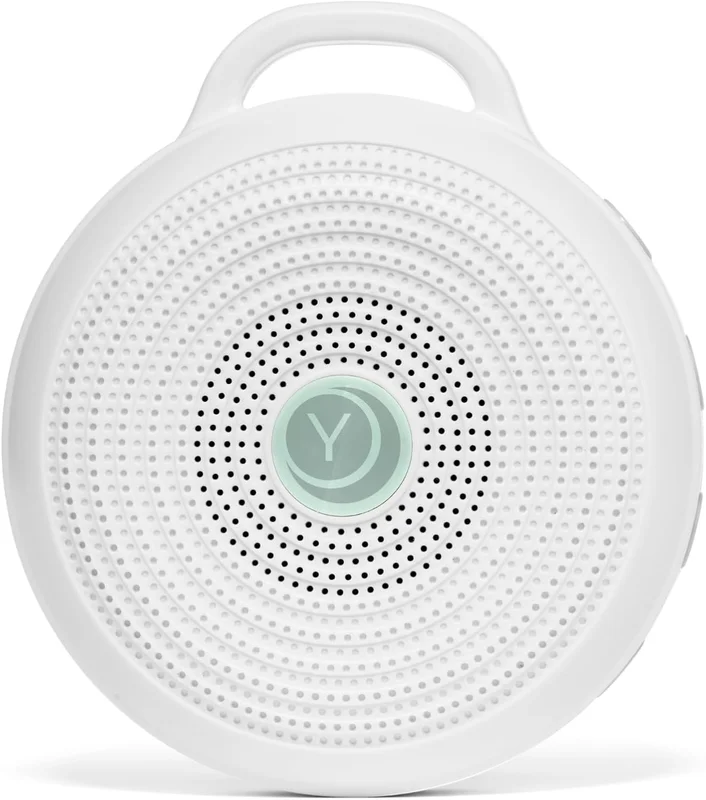
3. Yogasleep Rohm — Controls Noise (Deep Sleepers + Ambient Masking)
Yogasleep
Yogasleep Rohm Travel White Noise Machine
$34.95
Pros
- Compact and rechargeable — fits in a coat pocket
- Three sound options: white noise, fan, surf
- Up to 12 hours battery life per charge
Cons
- Only three sounds vs full LectroFan library
- Not as full-bodied as a plug-in Dohm
Earplugs are the "block noise" approach. A sound machine is the "mask noise" approach, and for dorms specifically, masking often works better than blocking because you still need to be able to hear your alarm and emergency sounds, you just want to not notice the guy three rooms over playing video games. The Yogasleep Rohm is the right dorm sound machine because it's battery-powered (no need for a charger-dependent plug), rechargeable, and loop-free.
Why it works for dorms
- Battery-powered, USB-rechargeable. No extra outlet needed, no dependency on wall placement. Charge it from your laptop during class.
- Loud enough for dorm masking. Produces enough sound to cover typical dorm acoustic chaos without being too loud for your own ears.
- Three sound types. White, pink, and brown noise. Experiment to find what masks your roommate's keyboard clicking best.
- Portable to libraries, study rooms, travel. Leaves the dorm when you do. Useful for focused studying in a quiet place or sleeping in a friend's couch.
- Rugged. Survives being tossed in a backpack daily.
Cost: ~$40.
4. Beckham Hotel Collection Pillow — Fixes the Dorm Pillow
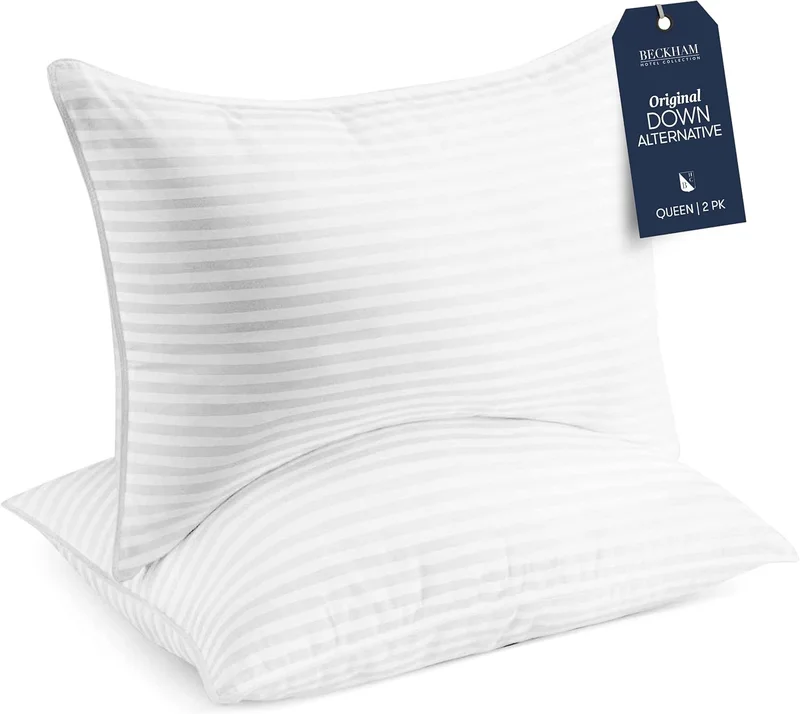
Beckham Hotel Collection
Beckham Hotel Collection Bed Pillows (2-Pack)
$39.99
Pros
- One of the highest-rated pillows on Amazon overall (350K+ reviews)
- Gel fiber fill is hypoallergenic and machine washable
- Excellent value — typically under $20 per pillow in the 2-pack
Cons
- Not adjustable — fixed loft may not suit all sleep positions
- Some buyers find it too soft for side sleeping
Dorm pillows are terrible. The cheapest effective fix is replacing them with something else. The Beckham Hotel Collection is the most-reviewed budget pillow on Amazon (200,000+ ratings) and specifically works for college students because it comes in pairs for ~$40 — one for you to sleep on, one to prop up during studying or reading in bed. At $20/pillow, it's cheap enough to replace if the roommate spills something on it.
Why it works for dorms
- Sold in pairs. Two pillows for ~$40. Cheaper per pillow than any single premium alternative.
- Machine washable. Essential for shared living. Wash weekly if needed.
- Soft and plushy. Universally comfortable — not a niche "side sleepers only" or "back sleepers only" pick.
- Breathable fill. Doesn't trap heat, which matters in a dorm room with no thermostat control.
- Cheap enough to not stress about. Stolen, ruined, spilled on — just buy another pair.
Cost: ~$40 (for two).
The complete kit budget
- Manta Sleep Mask — $35
- Loop Quiet 2 Earplugs — $25
- Yogasleep Rohm — $40
- Beckham Hotel Pillows (pair) — $40
- Total: ~$140
For ~$140, you've addressed light, noise (two ways), and the awful dorm pillow. Compared to four years of bad sleep, this is the best ROI purchase most college students can make.
How they compare
Other dorm sleep optimizations (free or cheap)
- Use your existing phone as a red-light flashlight — dim red illumination for middle-of-night bathroom trips doesn't disrupt your sleep (or your roommate's) the way white light does.
- Put a towel under the dorm door. Blocks hallway light and reduces sound leak from the corridor.
- Keep your phone across the room. Distance between you and your phone at bedtime reduces the 3 AM scroll temptation.
- Find a consistent wake time. This is the single highest-impact sleep habit. Even with a chaotic dorm, a consistent wake time stabilizes your circadian clock.
- Avoid napping past 3 PM. Late naps destroy nighttime sleep pressure, and dorm conditions already make it hard to fall asleep at night.
- Use white noise from your laptop. As a backup to the Rohm, your laptop can play white noise via free websites or apps. It's not as good as a dedicated machine but works in a pinch.
Frequently asked
What's the single most important dorm sleep purchase?+
Can I use AirPods or sleep headphones instead of earplugs?+
Will my roommate hate the sound machine?+
Can I sleep with both earplugs and a sound machine?+
Is this kit worth buying for a single semester?+
Where to go next
Related findings.
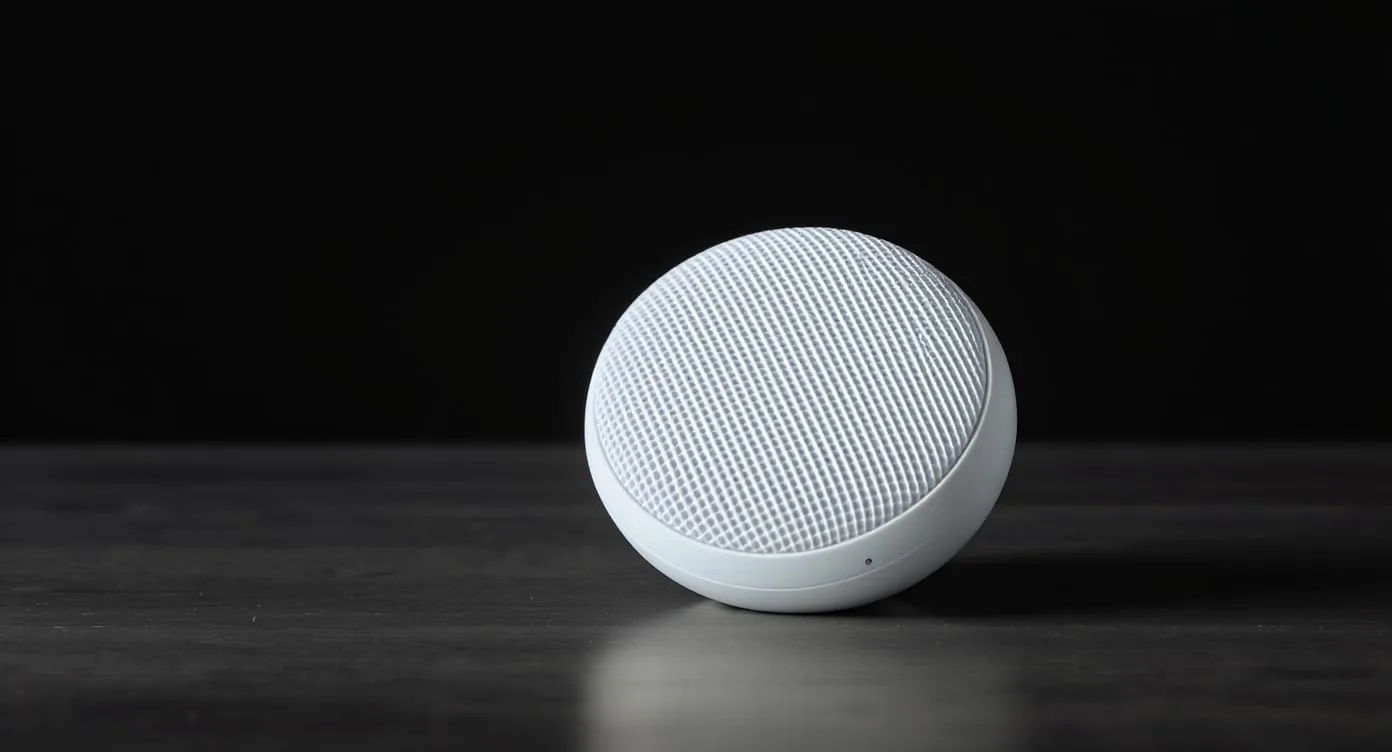 Edge Pick
The Best White Noise Machines for Tinnitus in 2026
Tinnitus at night is relentless. The right masking sound can make sleep possible again. Here's what customers with tinnitus consistently rate highest for nighttime use.
 Edge Pick
The Best Weighted Blankets for Deep Sleep (2026)
What the research says about weighted blankets for sleep and anxiety — plus the two products verified buyers consistently rate highest.
 Edge Pick
The Best Weighted Blankets for Anxiety in 2026
Weighted blankets use deep pressure stimulation to calm the nervous system — a technique originally developed for anxiety and sensory disorders. Here's what customers rate highest.