The Best Magnesium Supplements for Sleep (2026)
A writer-curated look at magnesium for sleep — which forms have the strongest evidence, what to look for on a label, and the products customers consistently recommend.

Magnesium is one of the most-recommended sleep supplements on the internet — and one of the most misunderstood. Most products on shelves use forms that were never designed for sleep support, doses that don't match what the research actually used, and marketing claims that go well beyond what the published evidence will bear.
This guide covers what the published research suggests about magnesium and sleep, why the form of magnesium matters more than the dose, what to look for on a label, and the products that verified buyers consistently rate highest in the sleep-focused category. It is not medical advice — talk to a doctor before starting any supplement, particularly if you take other medications or have a medical condition.
Why magnesium for sleep at all?
Magnesium is involved in hundreds of biological processes, including the regulation of GABA — the primary inhibitory neurotransmitter in the brain, and the same neurotransmitter targeted by many prescription sleep medications. Magnesium also plays a role in melatonin synthesis, muscle relaxation, and the regulation of the autonomic nervous system. These three pathways together explain why people frequently report a calming effect from magnesium supplementation.
Some studies, particularly in older adults and people with low dietary magnesium, suggest supplementation may modestly improve sleep onset and sleep quality. A 2021 systematic review and meta-analysis published in BMC Complementary Medicine and Therapies found a positive association in older adults with documented insufficiency. Results in the general healthy-adult population are more mixed, and magnesium is not a substitute for treatment when an underlying sleep disorder is present.
The honest summary: magnesium is one of the better-evidenced sleep supplements, but the effect for most healthy people is modest. Don't expect a transformation. Do expect, in many cases, a meaningful nudge.
The forms that matter (and the ones to skip)
Not all magnesium is the same. The form — meaning what the magnesium is bound to — determines absorption, bioavailability, side effects, and where in the body it acts. This is the single most important thing to understand before buying a magnesium supplement, and most people get it wrong.
Forms with the best sleep evidence
-
Magnesium glycinate. Magnesium bound to the amino acid glycine. Glycine has its own mild calming effect and is well-tolerated by the gut, which makes glycinate the form most often recommended in sleep contexts. If you only buy one form for sleep, this is the default choice.
-
Magnesium L-threonate. A more recently developed form that has shown the ability to cross the blood-brain barrier in animal studies. Marketed for cognitive and sleep support, though human evidence is still emerging. It's significantly more expensive per dose than glycinate.
-
Magnesium taurate. Bound to taurine, which has its own calming and cardiovascular effects. Less studied for sleep specifically but well-tolerated and increasingly popular in stack formulations.
Forms that work for other things but not sleep
-
Magnesium citrate. Well absorbed but tends to have a laxative effect at higher doses. It's a fine choice if your goal is constipation relief; it's a poor choice for nightly use if your goal is sleep.
-
Magnesium oxide. Cheap and widely sold but very poorly absorbed (~4% bioavailability in some studies). Often used in budget products to inflate the milligram count on the label without delivering meaningful elemental magnesium. If you see oxide as the primary form on a sleep supplement, that's a strong signal to look elsewhere.
-
Magnesium sulfate (Epsom salt). Useful for baths. Not really an oral supplement.
The key insight: a product labeled "magnesium 500mg" tells you almost nothing useful unless it specifies the form. Two 500mg products can have wildly different effects depending on whether they're glycinate or oxide.
How much, and when?
The U.S. Recommended Dietary Allowance (RDA) for magnesium is roughly 310–420mg per day depending on age and sex, including dietary intake. Most people don't need a megadose to see benefit. The NIH's Tolerable Upper Intake Level for supplemental magnesium (in addition to dietary intake) is 350mg per day for adults. Going above this level routinely can cause gastrointestinal side effects and, at much higher doses, more serious electrolyte issues.
Common dosing patterns in research and aggregated user reports:
- 200–400mg of elemental magnesium, taken 30–60 minutes before bed, is the most commonly used range for sleep purposes.
- Glycinate is the form most users take nightly, often in two split doses if they notice the calming effect wearing off in the second half of the night.
- Avoid taking magnesium with calcium, since they compete for absorption.
A highly-rated blend
For readers who want a single product that combines several bioavailable forms, the most consistently top-rated option in aggregated buyer reviews is the BiOptimizers Magnesium Breakthrough blend, which contains glycinate, threonate, taurate, and several other forms in one capsule. Verified buyers most frequently mention the calming effect within the first week and the absence of GI side effects compared to single-form products.
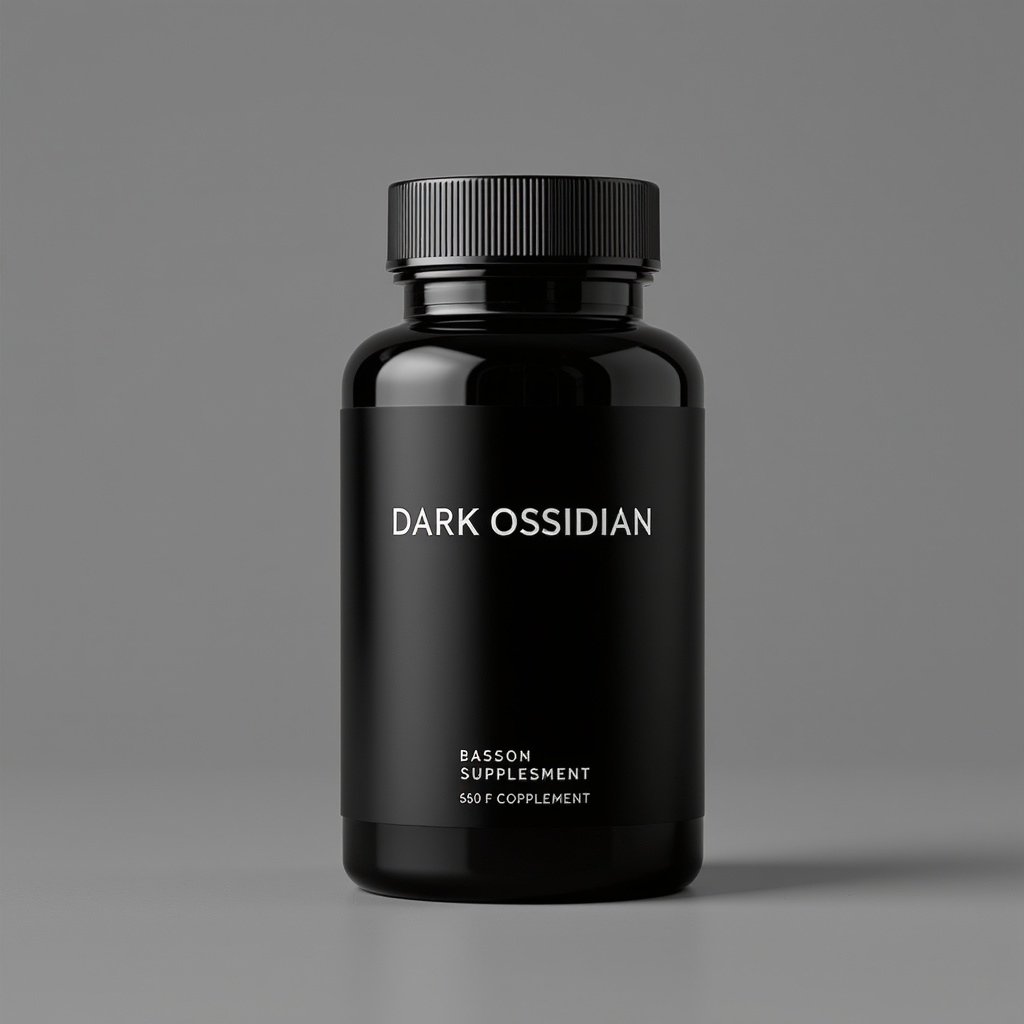
BiOptimizers
Magnesium Breakthrough
$45.00
Pros
- Combines seven bioavailable forms in one capsule
- Includes glycinate and threonate
- Third-party tested for purity
Cons
- Higher price than single-form options
- Subscription-pushed checkout
The trade-offs to know: it's more expensive per dose than buying glycinate alone, and the manufacturer pushes a subscription model in checkout. The product itself is solid; the marketing is aggressive.
Who should be careful
Magnesium is generally considered safe for most healthy adults at recommended doses. That said, certain groups should consult a doctor before starting:
- People with kidney disease — impaired kidney function can lead to magnesium accumulation.
- People on certain medications — including some antibiotics, diuretics, proton pump inhibitors, and bisphosphonates. Magnesium can interact with all of these.
- Pregnant or breastfeeding individuals — higher doses should be discussed with a healthcare provider.
- People with cardiac conduction disorders — magnesium affects the heart's electrical activity.
This is one of the reasons we're careful with supplement recommendations: even a generally safe nutrient can be a problem in the wrong context. If you take any prescription medication, talk to your doctor or pharmacist before adding magnesium to your routine.
What magnesium won't do
It's worth being explicit about the limits. Based on the published research:
- Magnesium is unlikely to fix insomnia caused by anxiety, untreated sleep apnea, depression, or chronic stress without addressing the underlying cause.
- Magnesium is not a substitute for fixing your circadian rhythm. If you can't fall asleep because you're still flooded with light at 11 PM, no supplement will outpace that signal.
- Magnesium is unlikely to dramatically increase total sleep duration in healthy people who are already sleeping enough.
For those problems, the higher-leverage moves are behavioral and environmental: see our evidence-based sleep tips, circadian reset guide, or 3 AM wake-up guide depending on your specific issue.
How to evaluate a magnesium product
When you're looking at a sleep-focused magnesium supplement, the questions to ask in order:
- What form is it? Glycinate, threonate, taurate = good. Oxide as the primary form = move on.
- How many milligrams of elemental magnesium per serving? Aim for 200–400mg in the elemental count, not the compound weight.
- Is there third-party testing? Reputable brands publish certificates of analysis from independent labs.
- What else is in it? Some products bundle magnesium with melatonin, valerian, or other ingredients. This can be useful if you know what you want, but it makes it harder to isolate which ingredient is doing the work.
- Are the buyer reviews consistent? A pattern of similar positive experiences across hundreds of verified reviews is a stronger signal than a few glowing testimonials.
Frequently asked
References
- Mah J, Pitre T. Oral magnesium supplementation for insomnia in older adults: a systematic review and meta-analysis. BMC Complementary Medicine and Therapies, 2021.
- National Institutes of Health, Office of Dietary Supplements. Magnesium fact sheet for health professionals.
- Slutsky I et al. Enhancement of learning and memory by elevating brain magnesium. Neuron, 2010.
- Boyle NB, Lawton C, Dye L. The effects of magnesium supplementation on subjective anxiety and stress — a systematic review. Nutrients, 2017.
Where to go next
- 12 evidence-based tips for better sleep
- Best magnesium glycinate (deep dive)
- Best bedtime supplement stack
- The best smart alarm clocks
Related findings.
 Edge Pick
The Best Baby Sound Machines in 2026
White noise helps babies fall asleep faster and wake less often — but not every machine is safe or kid-appropriate. Here's what customers rate highest for nursery and toddler use.
 Edge Pick
The Best Bamboo Sheets in 2026
Bamboo viscose sheets sleep cooler than cotton, feel silkier, and wick moisture faster. Here are the bamboo sheet sets customers consistently rate highest on Amazon and Walmart for hot sleepers and night sweats.
 Edge Pick
The Best Bedtime Supplement Stack in 2026
Stacking magnesium glycinate, L-theanine, and low-dose melatonin together is more effective than any single supplement alone — when done right. Here's the stack customers rate highest.