The Best Baby Sound Machines in 2026
White noise can help babies settle, but not every machine is safe or kid-appropriate. Four baby sound machines for nursery, toddler and travel use.
We earn a commission if you buy through links on this page, at no extra cost to you. Picks are based on buyer reviews and specs; we don't test products ourselves. How we work
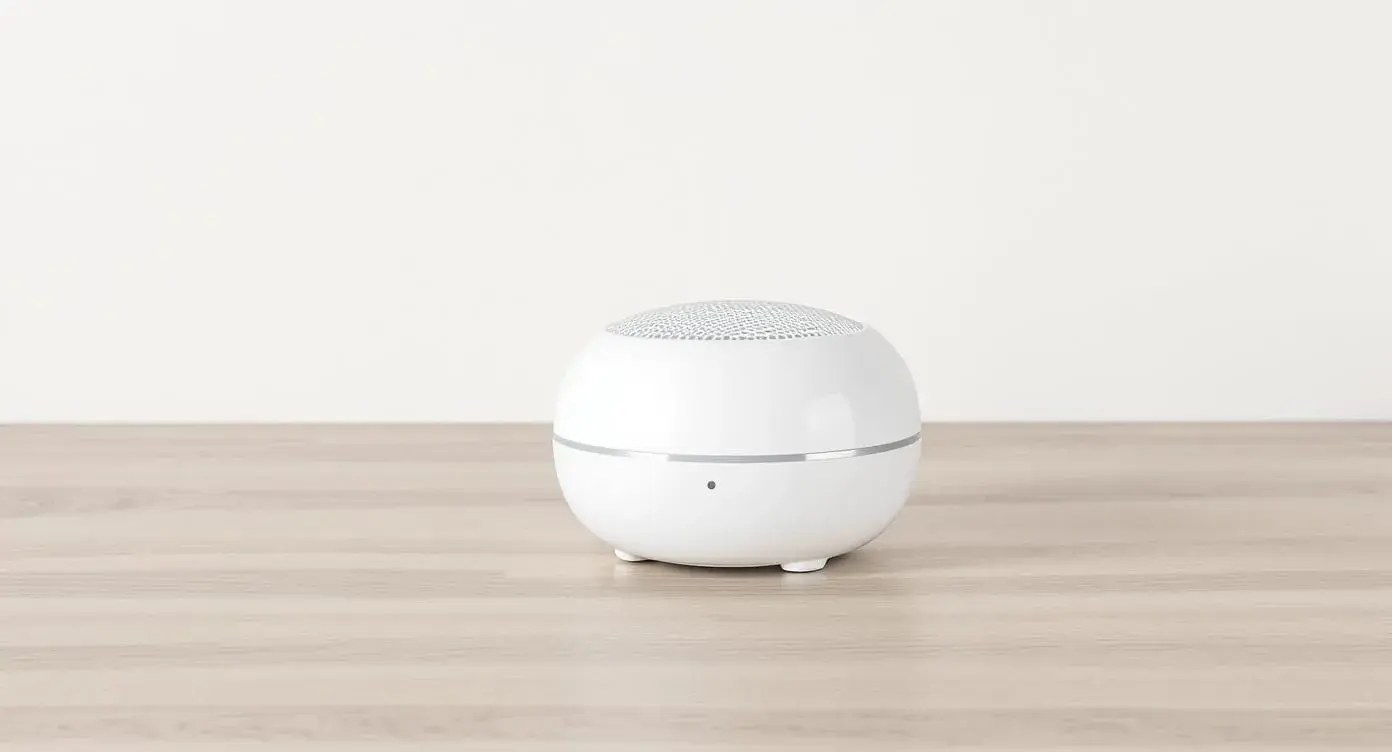
White noise works for babies for one simple reason: the womb is loud. Studies using waterproof microphones inside pregnant mothers have measured intrauterine noise levels around 70–90 decibels, which is roughly the volume of a vacuum cleaner. That's the auditory environment newborns are used to — and it's why total silence is often more disruptive to newborn sleep than steady background sound.
This guide covers four sound machines that parents commonly recommend for nursery and toddler use, with a focus on what actually matters: noise safety at close range, timer options, and durability when a toddler starts slamming it on the floor.
What to look for in a baby sound machine
1. Volume safety. The American Academy of Pediatrics recommends keeping sound machines at moderate volumes and placing them at least 7 feet from the crib. Machines that only produce loud output are a problem. Look for units with a broad volume range, including usable low settings.
2. Sound variety. Babies respond differently to different sounds. A machine with 5+ options lets you find what works — some babies prefer white noise, others brown noise, others heartbeat or womb sounds.
3. Timer flexibility. Some babies stir when a machine cuts off abruptly, while pediatric hearing researchers suggest limiting how long a machine runs. A unit with both a timer and a continuous-play option lets you choose, and keeping the volume low and the machine well away from the crib matters most either way.
4. Portability. Babies don't only sleep in one place. A travel-friendly machine matters for naps in the car, daycare drop-off, and trips to grandparents.
5. Toddler durability. Once your baby becomes a toddler, any device in the bedroom will get grabbed, dropped, and stepped on. Plastic build quality and a simple button layout matter.
1. Nanit Sound + Light — Best Overall

Nanit
Nanit Sound + Light Smart Sound Machine and Night Light
Pros
- Combines a sound machine, adjustable night light and OK-to-Wake color in one unit
- USB-C rechargeable battery (rated up to 8 hours) plus a power adapter for home use
- Control from the app or device buttons without opening the nursery door
Cons
- Schedules and most settings need the app and Wi-Fi
- Google Home integration requires a paid Nanit Insights subscription
The Nanit Sound + Light combines a sound machine, an adjustable-color night light and an OK-to-Wake light for toddlers, all scheduled from an app. It adds a built-in rechargeable battery, so one machine can cover the nursery and trips, and it integrates with Nanit's baby monitors, which makes it an especially natural pick if you already use a Nanit camera.
What parents like about the Nanit
- Rechargeable and portable. Nanit rates the USB-C battery at up to 8 hours, and a power adapter is included for nightly use at home. That lets one machine cover the nursery and overnight trips.
- Night light plus OK to Wake. Pick a soft night-light hue, then set a separate color that tells a toddler it's time to get up.
- Several ways to control it. The Sound + Light app, the Nanit monitor app or buttons on the device, so you can adjust it without walking into the nursery.
Nanit trade-offs
- Needs the app. Schedules and most settings for its 11 sounds and light live in the app, so setup requires a smartphone and Wi-Fi.
- Some features cost extra. Google Home control requires a paid Nanit Insights subscription.
- Portable doesn't mean in the crib. Like every machine here, it belongs on a dresser or shelf across the room at low volume, never in or attached to the crib.
2. HoMedics SoundSpa — Best Budget for Nursery

HoMedics
HoMedics SoundSpa White Noise Machine
Pros
- Six relaxing sounds including rain, ocean, and white noise
- Auto-off timer with 15, 30, or 60 minute options
- Low price with a plug-in wall adapter included
Cons
- Looping digital sounds — sensitive listeners may notice
- Plastic build feels less premium than higher-end machines
If you want a simple, no-frills, budget sound machine for a nursery and don't need the nightlight or smart features of the Nanit, the HoMedics SoundSpa is a long-running budget option. Six looping sounds, a sleep timer, and a compact form factor at a budget price.
What the SoundSpa gets right
- Price. One of the cheapest options that parents rate well for nursery use.
- 6 sounds including rain and ocean. Enough variety to find one that calms your baby.
- AC or battery. Useful for travel and for power cuts.
- Simple. Buttons rather than an app. No setup, no Wi-Fi.
Common gripes
- Audible loops. The short sound loops (under 30 seconds for some) can be detectable. Sensitive babies (and parents) may find them annoying.
- Timer cut-off. Some babies stir when the sound stops at the end of a timer. The unit can also play continuously; if you use it that way, keep the volume low and the machine across the room.
- Not as loud as some competitors. Fine for a quiet nursery; not enough to mask loud upstairs neighbors.
3. Yogasleep Rohm — Best for Travel

Yogasleep
Yogasleep Rohm Travel White Noise Machine
Pros
- Compact and rechargeable — fits in a coat pocket
- Three sound options: bright white noise, deep white noise, gentle surf
- Up to 8 hours of playback per charge (per Yogasleep)
Cons
- Only three sounds vs full LectroFan library
- Not as full-bodied as a plug-in Dohm
The Yogasleep Rohm is a rechargeable travel-sized sound machine from the same brand that makes the well-known Dohm mechanical sound machine. Unlike the plug-in Dohm, the Rohm is battery-powered, comes with a lanyard for hanging it from a bag, and is designed for travel and naps on the go.
Rohm strengths
- Truly portable. Palm-sized with an internal rechargeable battery. If you hang it from a stroller or car seat, keep it on the outside, out of the baby's reach, and at low volume.
- Battery for most of a night. Yogasleep rates it at up to about 8 hours per charge, less at high volume, so keep the cable handy for long nights.
- Three sounds. White noise, deep noise and gentle surf. Simple and usable without a menu.
- Compact and sturdy. Small enough to live in a diaper bag.
Where the Rohm falls short
- Electronic, not mechanical. Some audible looping on longer use.
- Lower maximum volume than a plug-in machine. Fine for quiet environments; may not mask a loud hotel hallway.
- Only 3 sounds. Less variety than the Nanit Sound + Light or HoMedics SoundSpa.
4. Hatch Rest Baby Sound Machine + Nightlight — Best Plug-In All-in-One

Hatch
Hatch Rest Baby Sound Machine + Nightlight
Currently unavailable on Amazon (checked 2026-10-15)
Pros
- Combination nightlight, sound machine, and ok-to-wake clock
- Programmable colors and routines for kids
- Time-to-rise light cues for toddlers
Cons
- App required for full feature set
- Premium content requires subscription
As of October 2026, Amazon lists the Hatch Rest as currently unavailable; check the listing for restocks.
The Hatch Rest is a frequent recommendation for nurseries. It's more than a white noise machine: it combines sound, a programmable nightlight, and a time-to-rise toddler trainer in one unit. Parents often describe it as the device they keep using longest, from the baby years through the preschool stage.
Why parents keep the Hatch Rest
- Full soundscape library. Plays white noise, pink noise, brown noise, rain, ocean, lullabies, and heartbeat sounds. Parents can experiment to find what works for their baby.
- Integrated nightlight. Soft, warm, dimmable. Replaces a separate nightlight in the nursery. Color can be adjusted via the app.
- Programmable routines. Set it to play a specific sound at bedtime, dim the light over 30 minutes, and wake to a green light at a scheduled time (useful for toddler sleep training).
- Long lifespan in the family. Many reviewers use it from newborn through age 5 — first as a sound machine, then as a nightlight, then as a toddler alarm.
- App control. Adjust without opening the nursery door. Also works with voice commands on compatible smart home systems.
Hatch Rest drawbacks
- Not portable. Plug-in only. For travel, you'd need a separate portable device.
- Setup via app. Programming routines requires a smartphone app.
- Extra content may cost more. The core sounds and nightlight work without a subscription, but Hatch sells some additional content separately.
- Price. Several times the cost of basic sound machines. Worth it for families who'll use it for years; overkill for infrequent use.
Which to choose
- You want one rechargeable device for the whole nursery (sound, light, toddler trainer), or you use a Nanit monitor → Nanit Sound + Light
- You want something cheap that just plays white noise → HoMedics SoundSpa
- You need a travel machine for cars, daycare, and grandparent visits → Yogasleep Rohm
- You want a plug-in all-in-one and can wait for a restock → Hatch Rest
Many families end up with two: a plug-in machine for the nursery + a portable for travel. If your budget only allows one, a portable is more versatile because it can also serve as the primary nursery machine.
Baby sound machine safety
You can measure the actual volume at the crib with any smartphone sound meter app (free in both app stores). Position the machine on a dresser or shelf across the room rather than directly next to the crib. Never put a sound machine inside the crib or attach it to the crib rails, and keep its cord well out of reach: under AAP safe-sleep guidance, the crib should hold nothing but your baby on a firm, flat mattress with a fitted sheet. If you have questions about your baby's sleep or hearing, ask your pediatrician.
Frequently asked
Are sound machines safe for newborns?+
Should I run the machine all night or just during sleep onset?+
What volume should I set it at?+
What kind of noise is best for babies?+
When should I stop using a sound machine?+
Where to go next
Related findings.
 Edge Pick
The Best Sound Machines for Sleep in 2026
White, pink, and brown noise machines mask disruptive sounds and help light sleepers stay asleep. Here are four worth buying, from fan-based to travel.
Buyer ReportHatch Rest Baby Sound Machine + Nightlight Review: The Pediatric Sleep Swiss Army Knife
A detailed review of the Hatch Rest — sound machine, nightlight, and ok-to-wake clock in one device, and whether the app and subscription are worth it.
Buyer ReportHoMedics SoundSpa Review: The Budget Sound Machine That Gets the Job Done
A detailed review of the HoMedics SoundSpa — sound quality, build quality, and whether a budget sound machine is worth it.