Why You Wake Up at 3 AM (And What You Can Do About It)
Middle-of-the-night wake-ups have a small set of common causes — and most of them are addressable. A writer-curated look at what's really happening at 3 AM.
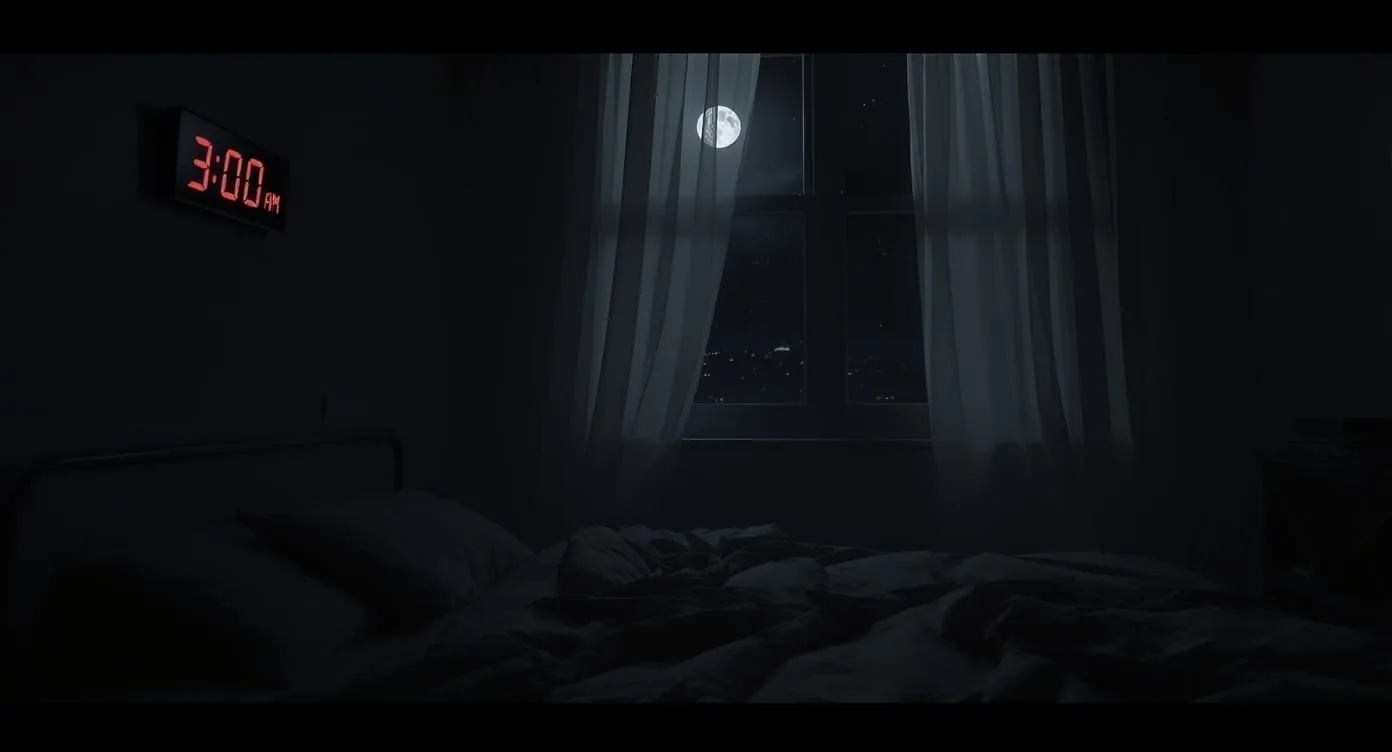
If you regularly wake up at the same time in the middle of the night and can't get back to sleep, you're not imagining it. Middle-of-the-night insomnia (sleep researchers call it sleep maintenance insomnia) is one of the most common sleep complaints — and one of the most frustrating, because it tends to feel like a problem with no obvious cause. The good news: most of the common drivers are addressable, and once you know what to look for, the "always 3 AM" pattern usually has a recognizable culprit.
This guide walks through what published sleep research and clinical guidelines suggest is happening when you wake at the same time night after night, the most common causes worth investigating, and what to try first.
What's actually happening at 3 AM
Sleep is structured in roughly 90-minute cycles. Each cycle moves through light non-REM sleep, deep (slow-wave) sleep, more light sleep, and finally REM sleep before starting again. As the night progresses, the proportions shift: deep sleep dominates the first half of the night, and REM sleep dominates the second half. By the time you're into your fourth or fifth cycle (typically somewhere between 2 and 5 AM, depending on when you fell asleep), you're spending more time in lighter stages and naturally closer to the wake threshold.
Cortisol, the body's primary stress hormone, also follows a circadian curve: it bottoms out around midnight, then begins rising in the early morning hours to prepare you for waking. That rise can start as early as 2–4 AM. In a relaxed nervous system, you don't notice it. In an anxious or activated system, it can push you over the wake threshold and into full consciousness.
There are also natural micro-arousals throughout the night that healthy adults don't remember. The problem isn't the awakening — it's staying awake. A normal awakening lasts seconds. A problem awakening lasts 30 minutes or more. The question to investigate isn't "why am I waking up?" (you always do, you just don't notice). It's "why can't I drop back into sleep?"
The most common causes
1. Stress and an activated nervous system
By far the most common driver. Anxiety, work stress, financial worry, and unresolved mental load activate the sympathetic nervous system — the "fight or flight" arm of the autonomic system. When sympathetic activity is elevated, the morning cortisol rise is steeper, micro-arousals are more frequent, and the threshold for "awake" is lower.
The catch: lying in bed worrying about why you're awake makes it worse. The act of stressing about not sleeping is itself a sympathetic activator. This creates a feedback loop that's hard to break from inside the loop.
The fix is usually two-pronged: reduce daytime nervous-system load (whatever that means for you — reducing work hours, getting outside more, addressing the source of the worry), and have a plan for what to do when you wake up that doesn't involve lying there feeling anxious. The 20-minute rule (described below) is the standard CBT-I approach to the second part.
2. Alcohol earlier in the evening
Alcohol helps many people fall asleep, but it's consistently shown in research to fragment sleep in the second half of the night. As the body metabolizes alcohol, it produces a rebound activation that often hits between 2 and 4 AM. The result: you fall asleep easily, then wake several hours later and can't get back down.
The dose-response relationship matters. Two drinks have a meaningfully smaller impact than four. And the timing matters: alcohol consumed several hours before bed is metabolized earlier in the night, often before the rebound effect can disrupt sleep architecture as severely.
3. Caffeine eaten too late in the day
Caffeine has a long half-life (~5 hours on average; up to 8 hours in slow metabolizers). Even when you fall asleep on time, residual caffeine can affect sleep architecture and make middle-of-the-night wake-ups more likely. The mechanism is the same one that makes caffeine effective in the morning: it blocks adenosine receptors, lowering the brain's sleep pressure. At night, lowered sleep pressure means a lower threshold for waking.
Use our caffeine cutoff calculator to estimate your real cutoff time based on your last dose and your bedtime. The number is often hours earlier than people expect.
4. A late or large meal
Heavy meals close to bedtime can elevate body temperature, trigger reflux, and disrupt sleep continuity. The mechanism here is partly thermal — your body raises core temperature to digest food, which works against the natural cool-down it needs for deep sleep. People who routinely eat large dinners within an hour or two of bed are some of the most consistent reporters of middle-of-the-night wake-ups.
5. Bedroom environment fluctuations
Light leaks, noise, and temperature changes (a heater kicking on, a partner moving, a delivery truck) can act as the trigger that turns a brief, normal awakening into a fully awake state. Everyone has a wake threshold; the lighter you're sleeping, the easier it is to cross. In the second half of the night, when you're in lighter stages anyway, environmental disruptions punch above their weight.
The fixes here are familiar: blackout curtains, an eye mask, earplugs, a fan or white noise machine to mask intermittent sounds, a stable bedroom temperature.
6. A partner's sleep apnea
Snoring or breathing pauses from a bed partner is a surprisingly common cause people overlook. If your partner snores loudly — particularly if you wake at the same time most nights, or if their snoring includes pauses and gasps — that's worth investigating. Untreated sleep apnea is bad for the person who has it (it's associated with serious cardiovascular risk) and disruptive for everyone in the same bedroom.
7. Untreated sleep apnea (yours)
If you snore, gasp, or feel unrefreshed despite a full night in bed, sleep apnea is a possibility worth taking seriously. It's a recognized medical condition with serious cardiovascular implications, and it's well-treated when diagnosed. The standard first step is a sleep study (polysomnography or a home sleep test); the standard treatment is CPAP, which most people who consistently use it report dramatically improves their sleep.
This is the most important entry on this list to take seriously, because the consequences of leaving it untreated are the most significant.
8. Hormonal shifts (including perimenopause)
Hormonal changes — particularly the perimenopausal transition — are a common cause of middle-of-the-night wake-ups in women in their 40s and 50s. Hot flashes, night sweats, and shifts in progesterone all play a role. This is not something to silently endure; effective treatments exist and a doctor can help you choose the right one.
What to try first
Tonight
- Turn the room cooler. Many people sleep through 3 AM better at 65°F than at 70°F.
- Block stray light. Even a small amount can prevent you from dropping back into deeper stages.
- Skip any alcohol, especially after 7 PM.
- Eat dinner earlier. Aim for 2–3 hours of buffer between your last large meal and bed.
This week
- Move your last caffeine earlier. Use the caffeine cutoff calculator to figure out by how much.
- Try a brief 10-minute wind-down ritual to lower your nervous system before bed. Even something simple — dim lights, no screens, slow breathing — can shift the autonomic balance enough to matter.
- Don't look at the clock when you wake. Knowing the exact time tends to make the problem worse, partly because it triggers calculations about how much sleep you have left.
If you wake and can't fall back asleep
The 20-minute rule is one of the core techniques in CBT-I and is supported by decades of clinical research. It feels counterproductive — you're trading time in bed for time out of bed — but the effect is to weaken the bed-as-wakefulness association that develops when you spend hours awake under the covers.
Things people try that probably won't help
- Sleeping pills as a long-term strategy. Sleep medications can be useful for short-term acute insomnia (e.g. after a major life event) but consistently underperform CBT-I for chronic problems and come with side effects and dependence risk.
- Doom-scrolling your phone "just for a few minutes." This activates exactly the systems you want to quiet. Even "boring" phone use is more arousing than reading a printed book.
- Forcing yourself to lie still and try harder to sleep. Sleep effort is paradoxical — the harder you try, the more the system activates. The 20-minute rule exists precisely because lying in bed trying to sleep makes things worse.
When to see a doctor
If anything in the list above sounds like it might apply to you — particularly the sleep apnea entries — don't wait. Sleep medicine has come a long way, and the diagnostic and treatment options for chronic sleep maintenance issues are far better than they were even a decade ago.
Frequently asked
Why always 3 AM, like clockwork?+
Should I take melatonin if I wake at 3 AM?+
Is 3 AM waking related to liver function in Chinese medicine?+
How long does it take to fix?+
Can a sleep tracker help me figure out the cause?+
A useful tool
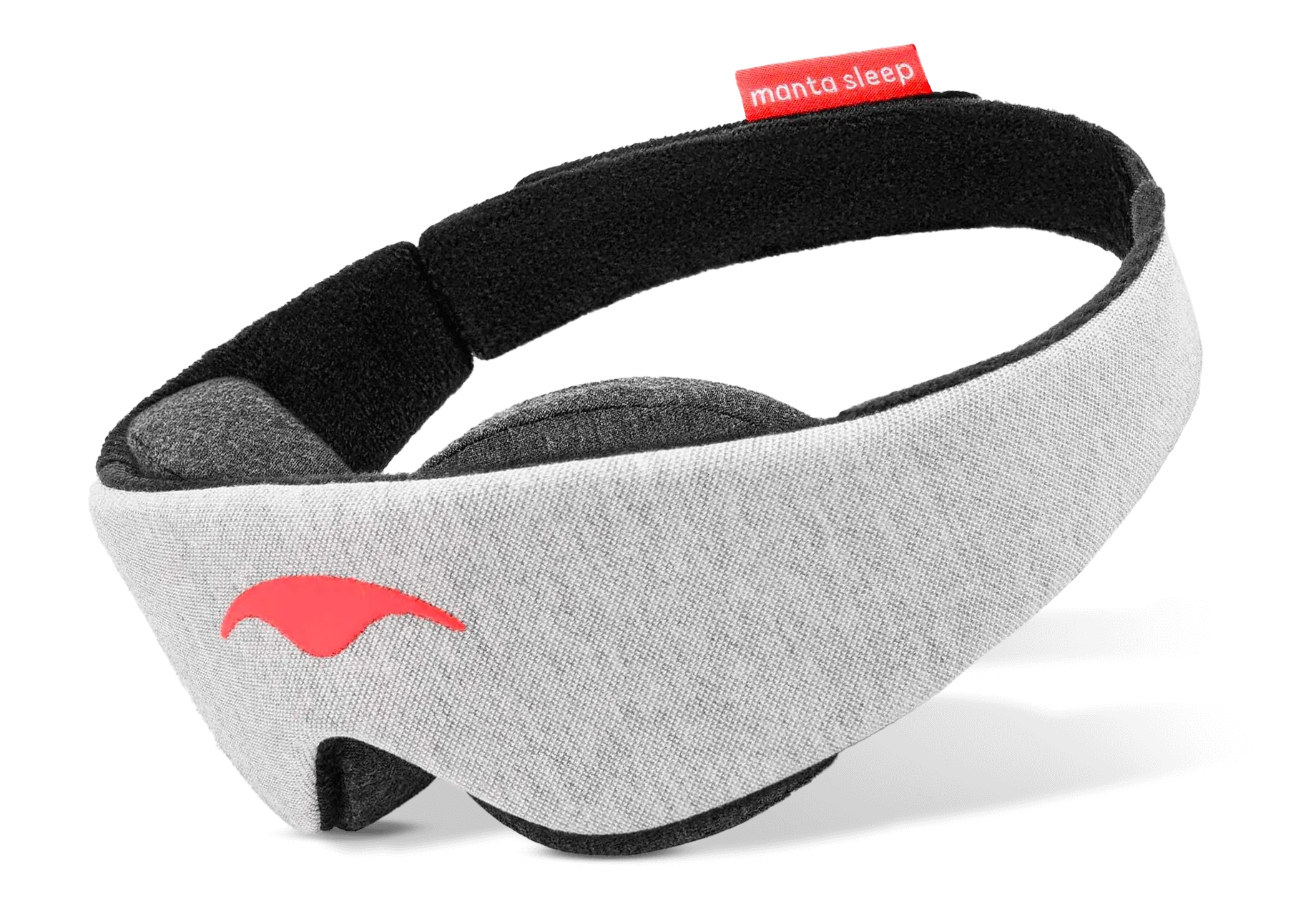
Manta Sleep
Manta Sleep Mask
$35.00
Pros
- Adjustable eye cups for total blackout
- Zero pressure on eyelids
- Modular and machine washable
Cons
- Bulkier than flat masks
- Strap can loosen over months of heavy use
Where to go next
- 12 evidence-based ways to sleep better tonight
- How to reset your sleep schedule in 7 days
- Take the Sleep Edge Quiz for a personalized starting point
Related findings.
 Protocol
Why We Dream: What Science Actually Knows (and Doesn't)
Dreams aren't random noise. Published neuroscience points to specific functions — memory, emotion, creativity. Here's what we know and what's still a mystery.
 Protocol
Sleep for Shift Workers: A Survival Guide
Night shifts fight your biology. Here's what published research says about managing sleep when your schedule won't cooperate.
 Protocol
Sleep for College Students: A No-BS Guide
All-nighters don't work. Here's what actually does — the sleep science that matters for exams, mental health, and surviving a dorm.