Philips Hue White Ambiance Bulb Review: The Circadian Lighting Staple
A detailed review of the Philips Hue White Ambiance A19 — color temperature control for sleep, app scheduling, and whether the Hue ecosystem is worth the buy-in.
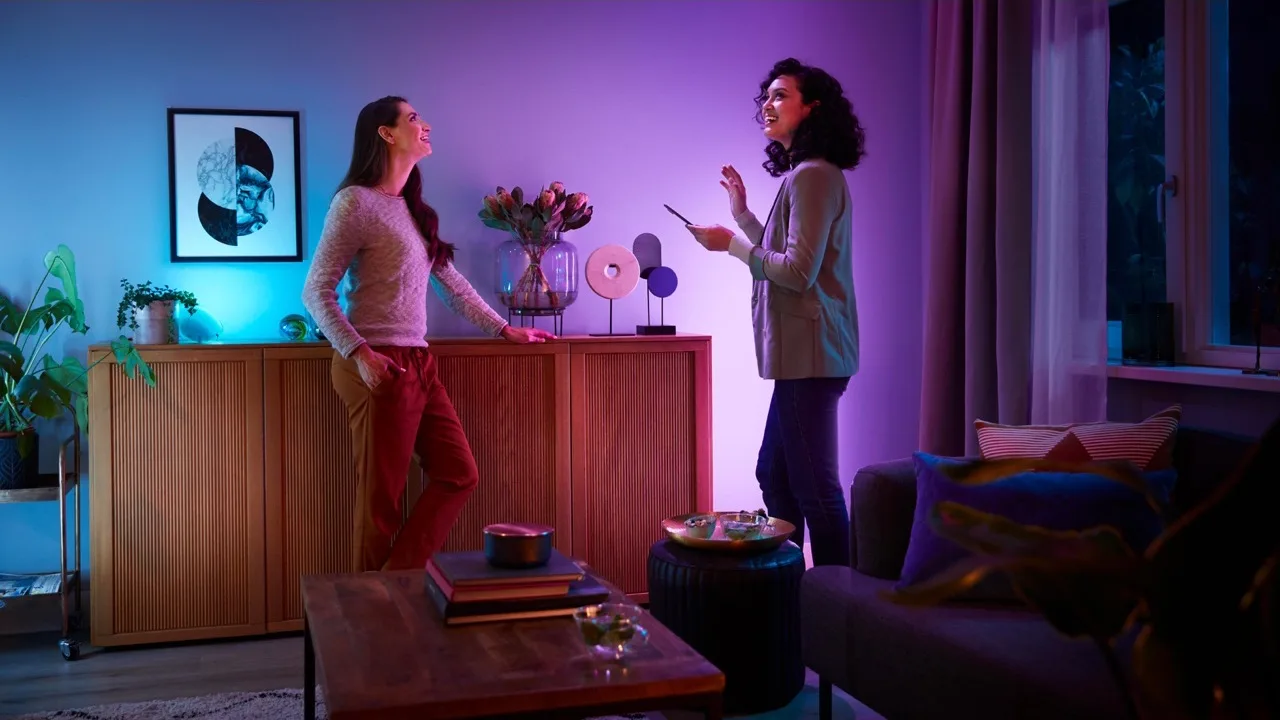
The Philips Hue White Ambiance Bulb is the most-recommended smart bulb in sleep-optimization circles, and for good reason. Its ability to shift color temperature from energizing cool white (6500K) during the day to warm, melatonin-friendly amber (2200K) in the evening maps directly onto what circadian rhythm research says about light's effect on sleep onset.
This review covers what verified buyers consistently report about the Philips Hue White Ambiance A19 across Amazon, Best Buy, and the Philips store — the setup experience, the automation potential, the ecosystem costs, and whether color-temperature shifting actually makes a perceptible difference to evening wind-down routines.
Philips
Philips Hue White Ambiance Bulb (A19)
$24.99
Pros
- Adjustable warm-to-cool color temperature for circadian-friendly evenings
- Schedules and routines via app for automatic dimming
- Long lifespan and low energy use
Cons
- Requires Hue Bridge for full functionality
- More expensive per bulb than basic smart bulbs
What it is
The Philips Hue White Ambiance is a standard A19 bulb (fits most lamps and fixtures) with tunable white light. Key specs:
- Color temperature range: 2200K (warm candlelight) to 6500K (cool daylight)
- Brightness: 800 lumens (60W equivalent), dimmable to 1%
- Connectivity: Zigbee (requires Philips Hue Bridge, sold separately at ~$60)
- Control: Hue app (iOS/Android), voice assistants (Alexa, Google, Siri/HomeKit), physical Hue switches
- Lifespan: Rated for 25,000 hours (~22 years at 3 hours/day)
- Price: $24.99 per bulb (Bridge not included)
- Brand: Philips (Signify), the dominant name in connected lighting since 2012
The key distinction from standard smart bulbs: this is a tunable-white bulb, not a color bulb. It doesn't do red, green, or blue — it shifts between warm and cool whites. For sleep purposes, this is exactly what you want. The blue-light content in cool white light (4000K+) suppresses melatonin production, while warm amber light (2200–2700K) has minimal impact on the sleep hormone. The Hue Ambiance lets you automate this transition nightly.
What buyers consistently like
Color temperature range for evening wind-down
This is the feature that brings sleep-conscious buyers to the Hue Ambiance specifically. Verified buyers consistently report that switching their bedroom and living room lighting to 2200K after sunset creates a noticeably calmer evening environment. The amber tone at the lowest color temperature is described in reviews as "candlelight without the fire risk" and "noticeably warmer than even a standard warm bulb."
The research supports the instinct. Studies published in the Journal of Clinical Endocrinology & Metabolism have shown that exposure to room light in the hours before bedtime suppresses melatonin onset by approximately 90 minutes. Shifting to amber-range lighting in the evening is one of the most accessible interventions for protecting natural melatonin timing.
App-based scheduling and automation
The Hue app allows time-based automations that run without user intervention. The most common sleep-related setup described in reviews:
- Sunset routine: Bulbs automatically shift from 4000K to 2200K starting 2 hours before the user's typical bedtime
- Gradual dim: Over the final 30 minutes before lights-out, brightness drops from 60% to 10%
- Morning simulation: Bulbs gradually brighten from 0% to 80% over 30 minutes before the alarm, simulating a sunrise
Verified buyers who set up these routines consistently describe them as "set and forget" — once configured, the lighting environment adjusts automatically every day. Multiple reviewers note that this passive approach is more effective than manually adjusting lights, because it removes the decision (and the tendency to skip it when tired).
Ecosystem depth and third-party integration
The Hue platform is the most broadly supported smart lighting system. It works natively with Apple HomeKit, Google Home, Amazon Alexa, Samsung SmartThings, and IFTTT. This integration depth means buyers can fold lighting into broader sleep routines — for example, triggering warm light when a Withings Sleep Mat detects bedtime, or dimming lights when a Hatch Restore routine starts.
Long-term reviewers (2+ years) frequently mention that the Hue ecosystem's reliability is its greatest asset. Unlike some smart-home devices that require frequent troubleshooting, the Hue Bridge and bulbs maintain their automations consistently. This reliability matters for sleep routines, where a failed automation at 10 PM is a disruption you'll notice.
Build quality and lifespan
The 25,000-hour rating is backed up by long-term reviewer accounts. Owners who purchased first-generation Hue bulbs 5+ years ago report that many are still functioning. The bulb itself has a solid feel — heavier and better-built than budget smart bulbs. The dimming is smooth and flicker-free, which matters for evening use where flickering light can be subtly stimulating.
Dimming range
The ability to dim to 1% is highlighted by reviewers who want extremely low light in the bedroom before sleep. Several owners describe using the bulb at minimum brightness and warmest temperature as a reading light that doesn't interfere with drowsiness. Standard dimmable LED bulbs often can't go below 10–20% without flickering; the Hue handles the low end cleanly.
What buyers consistently complain about
Hue Bridge requirement
The most common complaint in reviews is the need for a separate Philips Hue Bridge (~$60) to operate the bulbs. The bulbs use Zigbee rather than WiFi, which means they can't connect directly to your phone or router. For buyers who just want one or two bulbs in the bedroom, the Bridge adds a significant upfront cost.
The counterargument, which several experienced reviewers make: the Zigbee protocol is more reliable and responsive than WiFi-based smart bulbs, and the Bridge supports up to 50 bulbs without WiFi congestion. But for a single-room setup, the Bridge cost is a legitimate barrier.
Per-bulb cost
At $24.99 per bulb (and often higher for multi-packs that include the Bridge), the Hue Ambiance costs 3–5x more than basic WiFi smart bulbs from brands like Wyze or Govee. Verified buyers who came from cheaper alternatives frequently note the price jump. Whether the premium is justified depends on how much you value the ecosystem reliability, color-temperature tuning, and the wide dimming range.
App complexity for simple tasks
The Hue app is powerful but not simple. Several reviewers describe the initial setup of rooms, zones, routines, and automations as overwhelming. For users who just want to set a "warm light at 9 PM" schedule, the process involves more steps than expected. Once configured, the system runs smoothly — but the setup curve is steeper than competing products like LIFX bulbs (which use a simpler app and no bridge).
No standalone sunrise alarm function
While the Hue can simulate a sunrise via its automation tools, it doesn't include a built-in alarm tone or wake-up sound. Buyers who expected a complete sunrise alarm experience (light + sound) discover that the Hue handles only the light portion. Pairing it with a separate alarm device or phone alarm is necessary for the full effect.
Who should buy the Philips Hue White Ambiance
Best for:
- Anyone building a circadian-friendly lighting environment in the bedroom or living room
- Smart-home users who want lighting integrated with other devices (thermostats, sleep trackers, routines)
- People sensitive to blue light in the evening who want automated color-temperature shifting
- Long-term thinkers who value ecosystem reliability and a 25,000-hour lifespan
- Users who want extremely low dimming (1%) for pre-sleep reading light
Not great for:
- Buyers who want a single bulb without additional hardware costs (the Bridge adds ~$60)
- Budget shoppers who need basic smart lighting for under $10/bulb
- People who want a standalone sunrise alarm (the Hue does light only, no sound)
- Users who prefer a simple app with minimal configuration
How it compares to alternatives
vs. LIFX Mini White
The LIFX connects via WiFi directly — no bridge needed. It's simpler to set up and costs about the same per bulb. However, the color-temperature range is narrower (2700K–6500K vs. Hue's 2200K–6500K), and the lack of a bridge means each bulb occupies a spot on your WiFi network. For one or two bulbs in a simple setup, LIFX is a reasonable alternative. For a multi-room system, the Hue's Zigbee architecture scales better.
vs. Govee WiFi smart bulbs
Govee offers full-color smart bulbs for under $10. They work without a bridge and connect via WiFi. The trade-offs: lower build quality, less reliable dimming at low levels, a narrower white-tuning range, and a less mature ecosystem. For budget-conscious buyers who want basic warm-light scheduling, Govee works. For serious circadian lighting with smooth dimming and deep integrations, the Hue is the better investment.
vs. blue-light-blocking glasses
Glasses like Swanwick Swannies block blue light from all sources — screens, overhead lights, everything. They're cheaper than replacing bulbs and work immediately. The downside: you have to remember to wear them, and they tint your visual environment orange. The Hue approach modifies the light source itself, requiring no wearable and no color distortion. Many sleep optimizers use both: Hue bulbs for ambient lighting and glasses for screen time.
Where to buy
Frequently asked
Do I really need the Hue Bridge?+
Can I use the Hue as a sunrise alarm?+
What's the difference between White Ambiance and White?+
How many bulbs do I need for a bedroom?+
Will it work if my internet goes out?+
Where to go next
- Best smart bulbs for sleep compared
- Hatch Restore 2 review (pairs well with Hue for sunrise)
- Swanwick Swannies blue-light glasses review
Related findings.
 Lab Report
Zinus Green Tea Memory Foam Mattress Review: The $400 Mattress Most People Actually Need
A detailed review of the Zinus 12-Inch Green Tea Memory Foam Mattress — the most-reviewed budget mattress on Amazon, and why it satisfies 80% of sleepers at 25% of the premium price.
Yogasleep Rohm Travel White Noise Machine Review: The Pocket-Sized Sleep Saver
A detailed review of the Yogasleep Rohm — portability, battery life, sound quality, and how it compares to plug-in alternatives.
 Lab Report
Yogasleep Dohm Review: The 60-Year-Old Design That Still Wins
A detailed review of the Yogasleep Dohm — why a real-fan noise machine from 1962 still outsells digital alternatives, and who it's for.