Fitbit Charge 6 Review: The Best No-Subscription Sleep Tracker
A detailed review of the Fitbit Charge 6 — sleep tracking accuracy, free vs. Premium tiers, battery life, and who it's genuinely worth it for compared to Oura and Apple Watch.
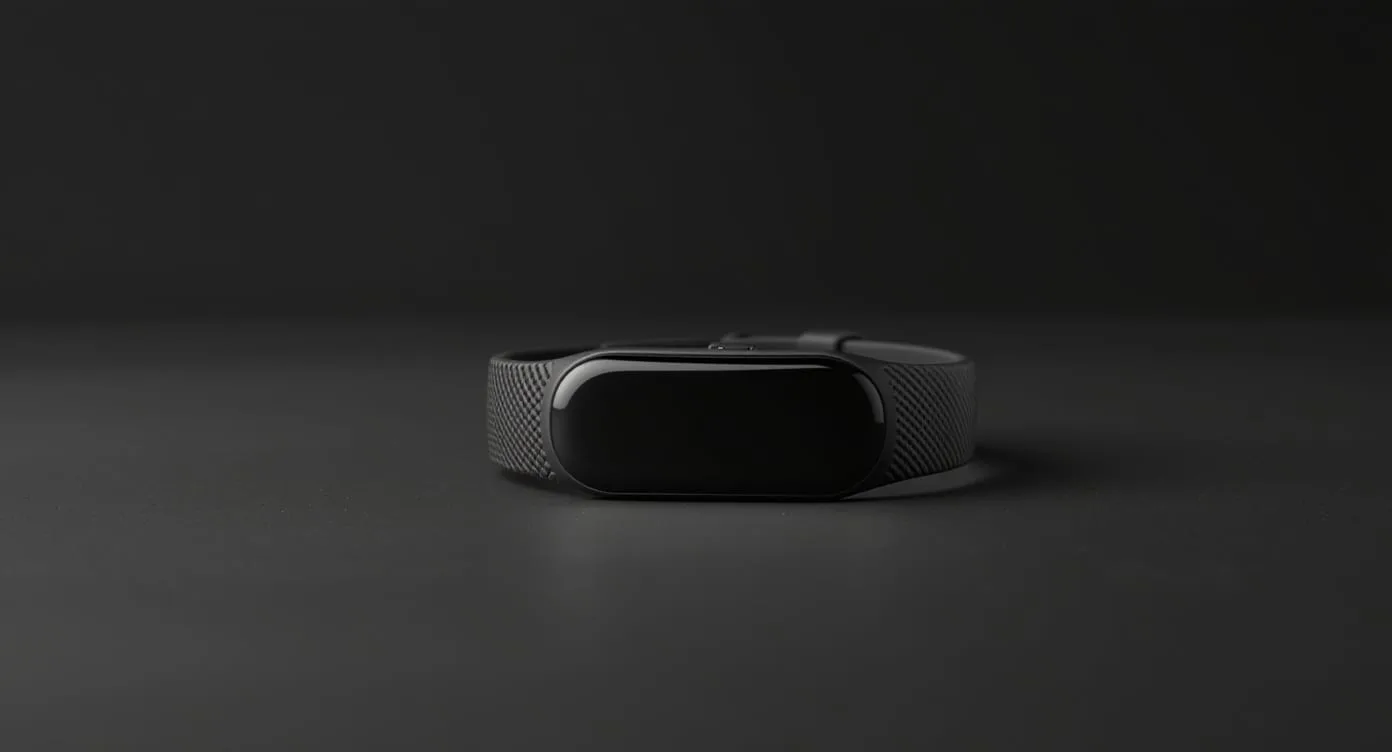
The Fitbit Charge 6 is quietly the best mainstream sleep tracker in 2026, and the reason most sleep tracker reviews don't lead with it is simple: it's not the sexiest option. Oura has the premium-ring branding, Whoop has the athlete marketing, Apple Watch has the ecosystem gravity. But for the specific use case of "track my sleep reliably without paying a monthly fee," the Charge 6 is the most-reviewed and most-praised option in verified buyer feedback — and with 6+ days of battery life and free sleep stage data, it's the one most users should actually buy.
This review synthesizes what verified buyers consistently report across Amazon, Google's own reviews, and sleep-focused communities, with an honest take on where it falls short against premium competitors.
Fitbit
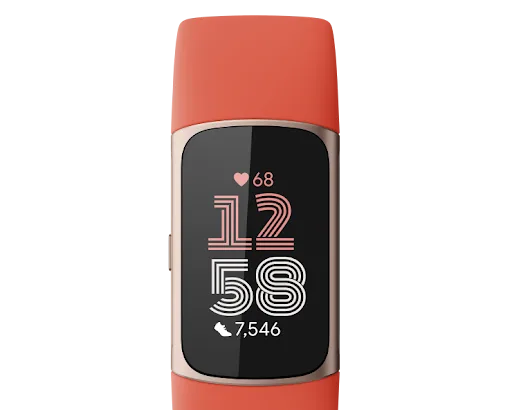
Fitbit Charge 6
$159.95
Pros
- Sleep stages, heart rate variability, and SpO2 tracking
- 6+ day battery life — wear continuously without charging interruptions
- Sleep Score with morning summary
Cons
- Requires Premium subscription for full insights
- Smaller display than smartwatch alternatives
What it is
The Fitbit Charge 6 is a slim wrist-worn fitness and sleep tracker — the latest iteration of Fitbit's Charge line, which has been the best-selling non-watch fitness tracker for over a decade. It does the three things most people want from a sleep tracker: sleep stages (light/deep/REM), heart rate variability, and a single "sleep score" that summarizes the night. All three are available at the base tier without a Fitbit Premium subscription.
Beyond sleep, it also tracks steps, heart rate zones, workouts, and has basic smartwatch features (notifications, Google Maps integration, Google Wallet). For people who want one device that handles sleep + daytime activity, it's a comprehensive package.
What buyers consistently like
1. Sleep stages free at the base tier
This is the defining feature and the reason Charge 6 leads "no subscription sleep tracker" searches. Unlike Oura (which gates sleep stage details behind a $6/month subscription) or Whoop (which is entirely subscription-based), Fitbit gives you the core sleep data for free forever. Light/deep/REM breakdowns, total time asleep, sleep efficiency, and a single sleep score — all free.
Premium exists ($9.99/month) and unlocks additional insights like "sleep profile" and trends analysis, but detailed reviews consistently describe the free tier as sufficient for day-to-day sleep tracking.
2. 6+ days of battery life
Battery life is the #1 predictor of whether a sleep tracker actually gets used. Devices that need nightly charging (Apple Watch) inevitably get taken off at night, and you lose the data. The Charge 6 runs for 6–7 days on a single charge — which means you can wear it through an entire week without taking it off, and charging happens Sunday afternoon while you shower.
Reviewers consistently cite this as the single biggest quality-of-life difference between the Charge 6 and Apple Watch for sleep tracking specifically.
3. Reasonable overnight accuracy
Verified reviews suggest the Charge 6 estimates total sleep time within 10–15 minutes of polysomnography for most users — on par with more expensive trackers. Sleep stage classification is less accurate (a limitation shared by all wrist-worn consumer trackers), but the trend data is usable for seeing how habit changes affect sleep over weeks.
The key insight: consumer sleep trackers are imprecise at the single-night level but useful at the trend level. The Charge 6 is accurate enough for trend tracking, which is what most users actually want.
4. Heart rate and HRV trends
Beyond raw sleep data, the Charge 6 tracks resting heart rate and heart rate variability (HRV) trends. These are the metrics that actually change as your sleep habits improve, and watching them shift over weeks is how you tell whether an intervention is working. Many reviewers describe this as the hidden-best feature — more impactful than the sleep score itself.
5. Google Maps + Wallet + notifications
For a fitness tracker this thin, the smartwatch features are surprisingly useful. Google Maps turn-by-turn navigation on your wrist during walks. Google Wallet contactless payments. Notifications from your phone without having to pull it out. It's not a full smartwatch, but it's enough to replace some of a smartwatch's daily-use features.
6. Affordable compared to alternatives
At ~$160, the Charge 6 is roughly half the price of the Oura Ring Gen 3 (before the Oura subscription costs). Over 2 years of ownership, the Fitbit costs $160 total; the Oura costs $300 + $144 (24 months of subscription) = $444. The math strongly favors the Fitbit for the cost-sensitive buyer who still wants serious sleep tracking.
7. Rugged enough for everyday use
Long-term reviews consistently report the Charge 6 surviving 2+ years of daily wear without significant issues. The silicone strap needs replacing every 6–12 months (cheap third-party replacements available), but the main unit holds up.
What buyers consistently complain about
1. Premium tier still gates "deep insights"
While the core sleep data is free, some advanced analytics sit behind Fitbit Premium. Users who want the full dashboard experience — especially the "sleep profile" that characterizes your chronotype — still have to pay. Most users find the free tier sufficient, but it's worth knowing before buying.
2. Wrist trackers are less accurate than rings
The wrist has more motion artifacts than the finger, which means wrist heart rate estimation is slightly less accurate than ring-based alternatives like Oura. For most users this isn't a meaningful difference, but athletes and serious data hobbyists may notice it.
3. Google account required
When Google acquired Fitbit, they eventually required all Fitbit users to migrate to Google accounts. If you're privacy-conscious or specifically avoiding the Google ecosystem, this is a dealbreaker. Users who want to avoid Google accounts should look at the Withings Sleep Mat (non-wearable) instead.
4. Strap design
The Charge 6 is thin and long, which some smaller wrists find awkward. The strap can also loosen over time and needs occasional tightening. Long-term reviewers often buy third-party replacement straps within the first year.
5. Feature cuts over previous generations
Some older Charge features (like the ability to play music directly from the device) were removed in the Charge 6. Users coming from a Charge 3 or Charge 4 may notice the regression on specific features. For new buyers, this is invisible.
6. App can feel cluttered
The Fitbit app covers steps, workouts, sleep, nutrition, challenges, social features, and Premium upsells — and it can feel cluttered as a result. Users who only care about sleep data sometimes complain about navigating past the activity focus to get to their sleep tab.
Who this tracker is for
Best for:
- People who want serious sleep tracking without a subscription
- Anyone who values 6+ day battery life over nightly charging
- Cost-conscious buyers comparing Oura vs Fitbit
- People who also want basic smartwatch features (notifications, Maps, payments)
- Users who don't mind a Google account
Not great for:
- People avoiding the Google ecosystem
- Athletes who want ring-form-factor and the highest possible heart rate accuracy (Oura is better)
- Anyone who wants a full-featured smartwatch (Apple Watch or Pixel Watch)
- Users who want zero-wearable passive tracking (Withings Sleep Mat is better)
How it compares to alternatives
vs. Oura Ring Gen 3
Oura has better heart rate accuracy (finger > wrist) and a more discreet form factor (ring > wristband). It also has more mature sleep validation studies. The trade-offs: Oura requires a $6/month subscription for most useful features, costs more upfront ($300 vs $160), and has a smaller battery (4–7 days vs 6–7 days). For people who specifically want subscription-free sleep tracking, Fitbit wins. For people who want the most accurate data and don't mind the subscription, Oura wins.
vs. Apple Watch
Apple Watch has a bigger screen, more apps, and deeper iOS integration. The trade-offs: battery life is ~24 hours (one charge per day), which means you're constantly choosing between sleep tracking and daytime charging. Apple's sleep tracking is also less accurate than Fitbit's in validation studies. For Apple ecosystem users who value the watch features, Apple Watch wins overall — but for sleep tracking specifically, Fitbit beats it.
vs. Withings Sleep Tracking Mat
Withings is a non-wearable bed-based mat. The advantage: no device on your body at night. The trade-offs: no daytime activity tracking, tied to one bed (doesn't work on the couch or while traveling), and no heart rate monitoring during the day. For users who hate wearing anything at night, Withings wins. For users who want one device for sleep + daytime, Fitbit wins.
Where to buy
Frequently asked
Do I need Fitbit Premium for sleep tracking?+
How accurate is the Fitbit Charge 6 for sleep?+
Can I use it without a Google account?+
How long does the battery last?+
Does it work for side sleeping?+
What happens to my data if I cancel Premium?+
Where to go next
Related findings.
 Lab Report
Zinus Green Tea Memory Foam Mattress Review: The $400 Mattress Most People Actually Need
A detailed review of the Zinus 12-Inch Green Tea Memory Foam Mattress — the most-reviewed budget mattress on Amazon, and why it satisfies 80% of sleepers at 25% of the premium price.
Yogasleep Rohm Travel White Noise Machine Review: The Pocket-Sized Sleep Saver
A detailed review of the Yogasleep Rohm — portability, battery life, sound quality, and how it compares to plug-in alternatives.
 Lab Report
Yogasleep Dohm Review: The 60-Year-Old Design That Still Wins
A detailed review of the Yogasleep Dohm — why a real-fan noise machine from 1962 still outsells digital alternatives, and who it's for.