The Best Sleep Teas for Bedtime in 2026
A warm cup of chamomile or valerian tea before bed is one of the oldest sleep rituals there is — and there's modest evidence it actually helps. Here are the sleep teas customers rate highest.

Sleep tea is not a pharmacological sleep aid. It's a ritual with mild herbal support — and the ritual part is arguably more important than the herbs. The warm cup, the slow sipping, the 20 minutes of no-screen wind-down, the signal to your body that the day is ending: these are the things that actually help you sleep. The chamomile and valerian are supporting characters, not the lead.
This guide covers the sleep tea that consistently leads aggregated reviews — with a clear-eyed take on what the herbs actually do and when a cup of bedtime tea helps versus when it's just a cozy placebo.
What's actually in sleep tea
Most "sleep" teas are blends of some combination of:
Chamomile. The most-studied bedtime herb. Contains apigenin, a flavonoid that weakly binds to benzodiazepine receptors in the brain. A handful of small studies have found mild sleep-quality improvements with regular chamomile tea. The effect is real but modest.
Valerian root. A more potent herb with slightly stronger evidence. Some studies find meaningful sleep improvements; others find nothing. The evidence is mixed but not nothing.
Passionflower. Mild sedative with limited but not-absent evidence for anxiety-related sleep issues.
Lavender. Primarily helpful for anxiety and mood. Modest evidence for sleep specifically.
Lemon balm. Mildly calming. Often included in blends for its pleasant taste.
Licorice root. Adds sweetness. Not sedating. Sometimes has blood-pressure implications in high doses.
Skullcap, California poppy, hops. Minor supporting cast. Evidence is thin.
The short version: chamomile and valerian have the best evidence; everything else is either for taste or weakly supported.
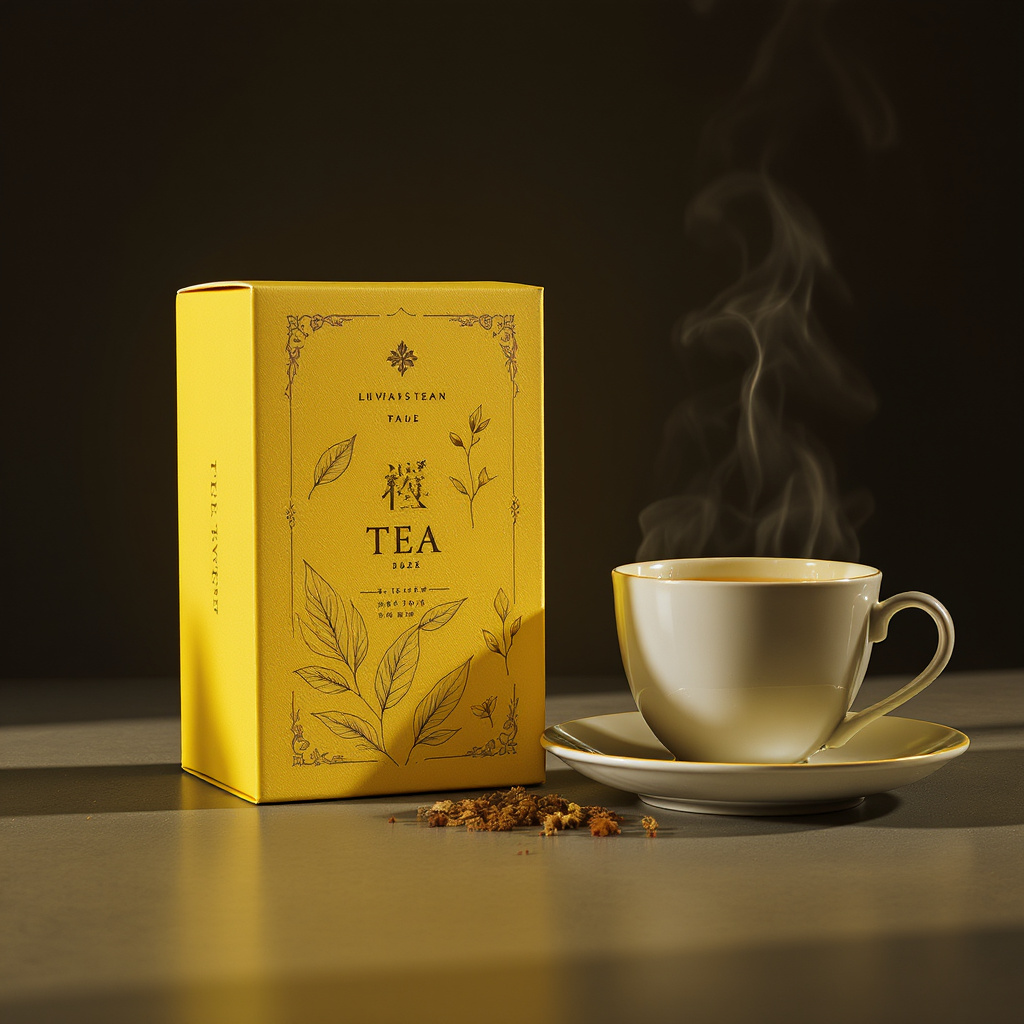
1. Yogi Bedtime Herbal Tea — Best Overall
Yogi
Yogi Bedtime Herbal Tea (16 Tea Bags)
$5.49
Pros
- Caffeine-free herbal blend with chamomile and valerian
- Calming ritual without sedative side effects
- Organic, non-GMO ingredients
Cons
- Effects are mild — best as a wind-down ritual
- Strong licorice flavor not for everyone
Yogi Bedtime is the most-reviewed sleep tea on Amazon and Walmart, and it consistently leads aggregated reviews because it hits the category essentials: a blend of chamomile, licorice, and passionflower that tastes good enough to drink regularly, no caffeine, no weird aftertaste, and a price point that makes it an easy daily habit rather than a splurge.
What buyers consistently like
- Taste. The #1 cited reason in 5-star reviews. Most sleep teas taste medicinal; Yogi Bedtime has a naturally sweet, chamomile-forward flavor from the licorice and passionflower that makes it pleasant to drink. Sleep ritual only works if you actually do it every night.
- Mild calming effect. Regular drinkers consistently describe feeling relaxed and drowsy 20–40 minutes after drinking — whether from the herbs, the warmth, or the ritual (probably some combination).
- Caffeine-free. Some "chamomile" blends sneak in green or white tea for flavor, which defeats the purpose. Yogi Bedtime is entirely caffeine-free.
- Widely available. Amazon, Walmart, Whole Foods, most grocery stores. No subscription or specialty retailer required.
- Affordable. ~$5 for 16 bags makes it the cheapest consistent sleep intervention you can buy — well under 50 cents per night.
- Gluten-free and vegan. Relevant for readers with dietary restrictions.
Trade-offs
- The effect is modest. If you expect a sleep tea to knock you out, you'll be disappointed. It's a gentle nudge toward relaxation, not a pharmaceutical. Managing expectations is important.
- Licorice. Some people are sensitive to licorice root, which can slightly elevate blood pressure at high doses. One cup a night is unlikely to matter, but if you drink multiple cups or already have blood pressure issues, read the label.
- Not a valerian-based blend. If you want the more-potent option, Yogi also makes a separate Bedtime Extra with valerian. Yogi Bedtime (classic) is gentler and more drinkable; Yogi Bedtime Extra is stronger but more medicinal in taste.
- Passionflower sensitivity. Rarely, passionflower can cause mild drowsiness into the next morning for sensitive individuals.
How to actually use sleep tea
1. Brew it the right way. Use boiling water, steep for 5–8 minutes with a cover on the cup (to keep volatile oils from evaporating), squeeze the bag before removing. Weak tea = weak ritual.
2. Drink it 30–45 minutes before bed. Not too early (you'll have to pee) and not too late (same reason). The ritual is about creating a wind-down window.
3. Drink it while doing a quiet activity. Reading, journaling, a wind-down conversation — not scrolling your phone or watching a bright screen. The combination of warm beverage + no screens is the actual sleep intervention; the herbs are supporting characters.
4. Don't overhydrate. One cup, not three. Going to bed with a full bladder defeats the purpose.
5. Make it a ritual, not a one-off. The behavioral association — tea → wind-down → sleep — builds over weeks of consistent use. Random sleep tea nights are less effective than a committed nightly habit.
When sleep tea helps (and when it doesn't)
Helps:
- You need a wind-down ritual to signal "day is over"
- You have mild tension or anxiety that keeps you wired at bedtime
- You can't sleep because you haven't stopped doing things before bed
- You want a non-pharmacological sleep habit
Doesn't help:
- Severe insomnia (the herbs are too mild)
- Sleep apnea, restless legs, or medical sleep disorders
- Waking up at 3 AM (the effect is gone by then)
- People who drink it while still staring at a phone (the ritual, not the herbs, does the work)
Sleep tea is the cheapest sleep intervention that works at all
Here's the honest ranking:
- $0 — Dark cold bedroom, consistent wake time (the free interventions)
- $5 — Sleep tea (a small behavioral nudge + mild herbs)
- $10 — Magnesium glycinate (modest but real effect)
- $30+ — Weighted blankets, blackout curtains, good sheets
- $100+ — Smart alarm clocks, cooling systems, mattresses
The free interventions are the most effective per dollar. Sleep tea is in the "very cheap, very mild" category — but at $0.30/night, it's hard to argue against it as part of a wind-down routine.
Frequently asked
Where to go next
Related findings.
 Edge Pick
The Best Baby Sound Machines in 2026
White noise helps babies fall asleep faster and wake less often — but not every machine is safe or kid-appropriate. Here's what customers rate highest for nursery and toddler use.
 Edge Pick
The Best Bamboo Sheets in 2026
Bamboo viscose sheets sleep cooler than cotton, feel silkier, and wick moisture faster. Here are the bamboo sheet sets customers consistently rate highest on Amazon and Walmart for hot sleepers and night sweats.
 Edge Pick
The Best Bedtime Supplement Stack in 2026
Stacking magnesium glycinate, L-theanine, and low-dose melatonin together is more effective than any single supplement alone — when done right. Here's the stack customers rate highest.