The Best Low-Dose Melatonin for Sleep in 2026
The melatonin aisle is flooded with 5 mg and 10 mg bottles — but sleep research consistently points to much lower doses. Here are the low-dose (0.3–1 mg) melatonin supplements customers rate highest.
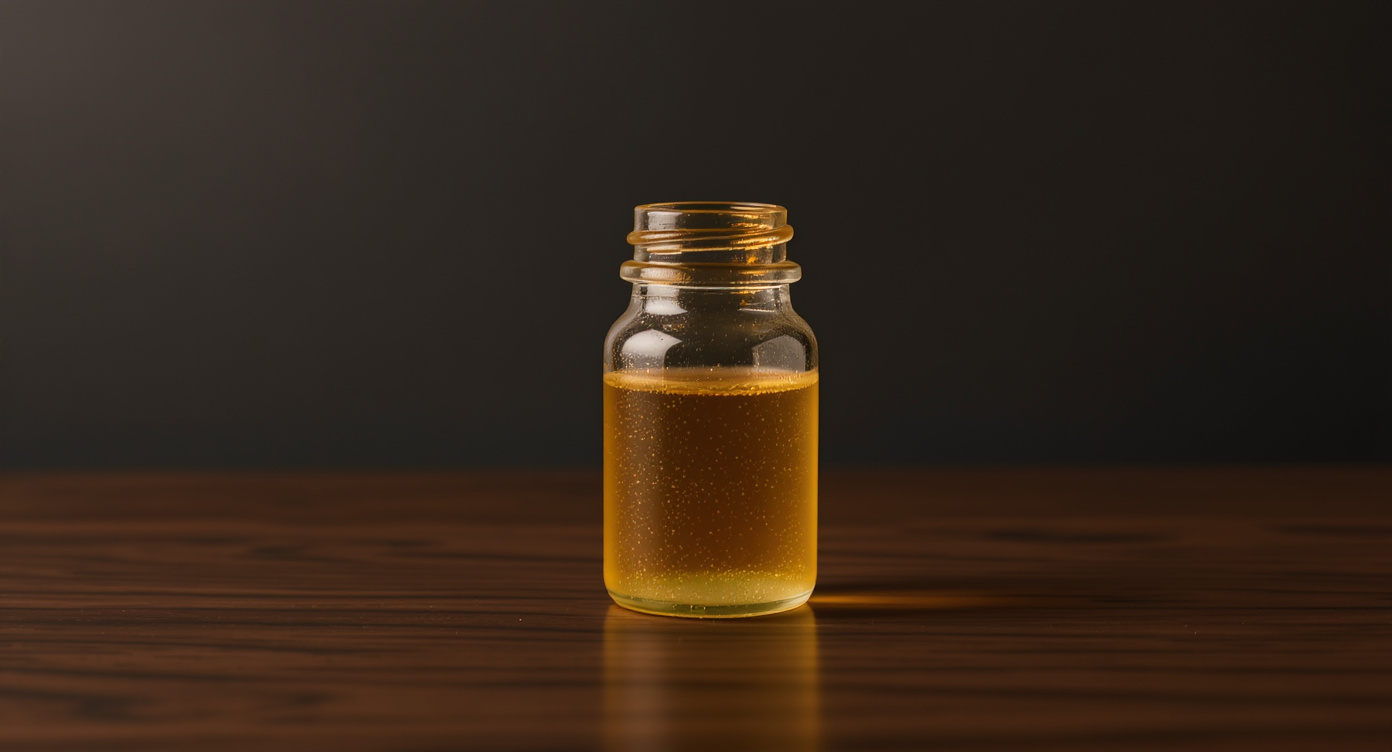
If you've ever bought melatonin at a drugstore, you've probably noticed something weird: the shelves are full of 3 mg, 5 mg, and 10 mg bottles. Then you read the published sleep research and find that most controlled trials used 0.3 mg to 1 mg — and found that higher doses were either no better or actively worse for sleep quality. There's a disconnect between what's marketed and what the evidence supports.
This guide covers the low-dose melatonin that consistently leads aggregated reviews from people who learned this lesson the hard way (usually after waking up groggy on 5 mg for a week).
Why low-dose melatonin is the right starting point
1. Physiological dose. Your body produces roughly 0.1–0.3 mg of melatonin naturally at night. A 5 mg supplement is roughly 25–50x that amount — a pharmacological dose, not a physiological one. Most published sleep research uses 0.3–1 mg specifically to stay within the physiological range.
2. Next-day grogginess. The #1 complaint about high-dose melatonin in aggregated reviews is waking up feeling hungover. This is dose-dependent — it gets significantly worse at 5+ mg. Lower doses avoid it.
3. Diminishing returns at higher doses. Multiple published trials have compared 0.3 mg, 1 mg, and 3+ mg doses for sleep onset. The results consistently show that 0.3–1 mg is as effective as higher doses for sleep onset in most people, without the grogginess.
4. Easier to titrate. Starting low lets you find the minimum effective dose for you. Starting at 5 mg and working down is harder.
What to look for on a melatonin label
1. Dose per tablet. Look for 1 mg, 0.5 mg, or 0.3 mg options. Many drugstore brands only sell 3 mg and up.
2. Form. Fast-dissolve tablets release melatonin quickly, which aligns with the window when it's useful. Time-release tablets keep melatonin elevated through the night, which is theoretically appealing but not well-supported for most sleep users.
3. No proprietary blends. Skip products that combine melatonin with valerian, GABA, 5-HTP, and random herbs. You want to know what you're taking, not a mystery cocktail.
4. Third-party testing. Melatonin supplements have a notorious accuracy problem — studies have found dosing ranging from 17% to 478% of label claims across the category. Look for USP, NSF, or ConsumerLab verification.
1. Natrol Melatonin 1mg Fast Dissolve — Best Overall

Natrol
Natrol Melatonin 1mg Fast Dissolve (90 Tablets)
$8.99
Pros
- Low 1mg dose closer to physiological range
- Fast-dissolve tablet — no water needed
- USP-verified for ingredient accuracy
Cons
- Strawberry flavor isn't to everyone's taste
- Most studies use even lower doses (0.3-0.5mg)
The Natrol Melatonin 1mg Fast Dissolve is the most-reviewed low-dose melatonin on Amazon, and it consistently leads aggregated reviews for one specific reason: it's one of the few widely-available drugstore brands that actually offers a 1 mg dose rather than the default 3+ mg. For buyers who've done the research and want a physiological dose, this is the product they usually land on.
What buyers consistently like
- 1 mg per tablet — not 5. The headline feature. You can take the whole tablet and be within the dose range used in published trials, or split it in half for ~0.5 mg if you're very sensitive.
- Fast-dissolve format. Dissolves on the tongue in 20–30 seconds. No water needed. Absorbs faster than swallowed tablets, which matters because melatonin's useful window is narrow.
- Strawberry flavor. Not a functional advantage but reviewers consistently describe the taste as pleasant — not chalky or metallic like some dissolvables.
- No next-day grogginess at 1 mg. The #1 reason repeat buyers cite over high-dose alternatives. Wake up clear-headed, not hungover.
- Affordable. ~$9 for 90 tablets makes it one of the cheapest low-dose options per serving.
- Widely tested by aggregators. ConsumerLab and other independent testing has generally found Natrol's melatonin accurate to label.
Trade-offs
- Contains some sweeteners. Strawberry flavor and xylitol for taste. Not a medical concern for most people, but something to check if you're avoiding sugar alcohols.
- 1 mg is still higher than some published research uses. Some studies use 0.3–0.5 mg specifically; if you want to go lower, you'd need to split the tablet or find a sub-1-mg product (which are harder to find).
- Fast-dissolve format requires dry hands. If your fingers are wet, the tablet starts dissolving before it reaches your mouth. Minor quirk.
How to actually use melatonin
The biggest misconception about melatonin is that it's a sleeping pill. It's not — it's a timing signal. It tells your body "it's dark, it's time to start the sleep cascade." It doesn't knock you out the way an antihistamine or Ambien does.
This has two implications:
1. Take it at the right time. The standard recommendation is 30–60 minutes before target bedtime. Taking it an hour earlier than usual is how you shift your sleep schedule — which is the legitimate jet lag use.
2. Don't take it with dinner or a bright room. Bright light after taking melatonin blunts its effect significantly. Take it in dim light, 30–60 minutes before you want to be asleep.
3. Don't expect a knockout. If you take 1 mg and lie down in a bright room with your phone, you won't feel much. The melatonin provides a timing signal; the dark quiet environment provides the conditions.
When melatonin actually helps
Jet lag. The single best-supported use case. Taking 0.3–1 mg in the evening at the destination time zone for 3–5 nights after arrival consistently speeds circadian adjustment.
Delayed sleep phase. For night owls trying to shift to an earlier bedtime, 0.5–1 mg taken 5–7 hours before current sleep onset (yes, earlier than you'd think) can gradually advance the circadian clock.
Shift work transitions. Helps reset the clock after switching between day and night shifts.
Not great for: insomnia where the problem is anxious rumination, sleep apnea, or mid-night awakenings. Melatonin helps you fall asleep at a new time; it doesn't help you stay asleep or reduce 3 AM waking.
Frequently asked
Where to go next
Related findings.
 Edge Pick
The Best Baby Sound Machines in 2026
White noise helps babies fall asleep faster and wake less often — but not every machine is safe or kid-appropriate. Here's what customers rate highest for nursery and toddler use.
 Edge Pick
The Best Bamboo Sheets in 2026
Bamboo viscose sheets sleep cooler than cotton, feel silkier, and wick moisture faster. Here are the bamboo sheet sets customers consistently rate highest on Amazon and Walmart for hot sleepers and night sweats.
 Edge Pick
The Best Bedtime Supplement Stack in 2026
Stacking magnesium glycinate, L-theanine, and low-dose melatonin together is more effective than any single supplement alone — when done right. Here's the stack customers rate highest.