The Best Sleep Gear for Shift Workers in 2026
Shift work means sleeping during daylight and staying alert through biological night. Here's the combination of blackout curtains, sound machine, sleep mask, and sunrise alarm that customers consistently rate highest.
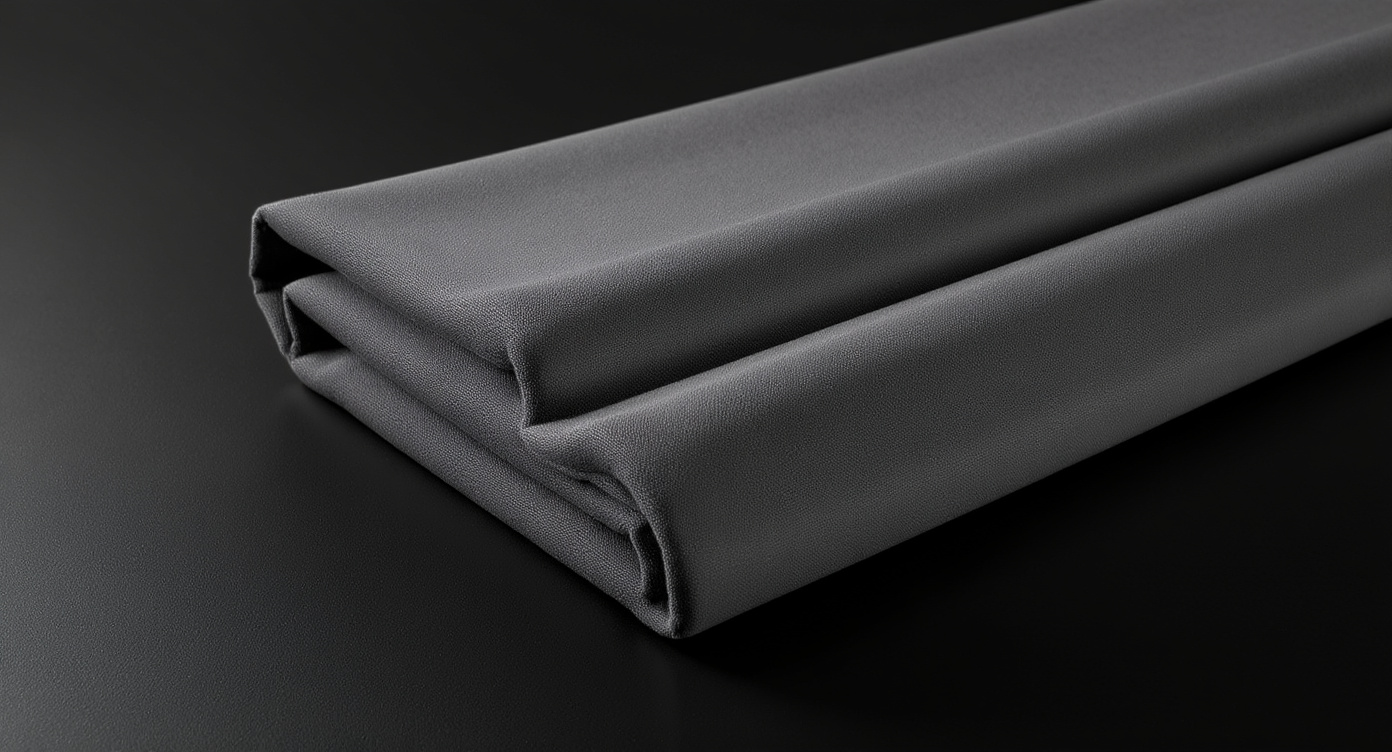
Shift work is the hardest thing you can ask a sleep system to handle. Your body wants to be awake during the day and asleep at night — and shift workers need the opposite. The research is unambiguous: shift workers have measurably worse sleep quality, more sleep-related health problems, and higher accident rates than the general population. But shift workers who build a deliberate sleep-environment stack can meaningfully close the gap. This guide covers the four products that consistently show up in verified shift-worker sleep reviews — one for each major problem.
What shift workers need to solve
1. Blocking daylight. The biggest issue. You're trying to sleep while the sun is up, and your circadian system is aggressively alert because of that light. Target: total darkness.
2. Masking daytime noise. Your neighbors are awake. Trash trucks run. Kids play. Dogs bark. Target: consistent white noise.
3. Protection against light leaks in unavoidable situations. Hotels, travel, family visits, random bright mornings when curtains aren't enough. Target: a good sleep mask.
4. Waking up reliably when you need to. Your body wants to stay asleep during the "alerting" phase of shift transitions. Target: a smart alarm with light + sound.
This guide covers one product per problem. No individual product solves all four — the combination is what makes shift work survivable.
1. NICETOWN Blackout Curtains — Best for Blocking Daylight
NICETOWN
NICETOWN Blackout Curtains (2 Panels)
$28.95
Pros
- Triple-weave fabric blocks 85–99% of light
- Thermal insulating — reduces heat and noise
- Massive color and size selection
Cons
- Not 100% blackout at the edges without overlap
- Wrinkles easily out of the package
Blackout curtains are the foundation of every shift worker's sleep setup, and NICETOWN is the most-reviewed blackout curtain brand on Amazon — over 150,000 ratings with consistent 4.6+ stars. The triple-woven fabric blocks 85–99% of light depending on color (darker colors block more), creating a genuinely dark room even in bright afternoon sun.
What buyers consistently like
- Actually blocks light. The #1 cited benefit. Shift workers consistently describe going from "filtered daylight" to "dark enough to sleep" after installing.
- Price. Under $30 for a pair. Affordable enough to do every bedroom window, not just one.
- Available in multiple sizes and colors. You can match existing decor and get proper coverage for different window sizes.
- Thermal benefit. Reduces heat transfer, which helps keep bedrooms cooler in summer — relevant because shift workers often sleep in overheated afternoon rooms.
- Sound dampening bonus. Heavy fabric also reduces some outside noise.
Trade-offs
- Not 100% light-blocking. Light still leaks around the edges and top of the curtain rod area. Combine with a sleep mask for complete darkness.
- Hanging hardware. Requires rods and appropriate mounting hardware, not included.
- Bulk. Heavier than regular curtains. May require stronger mounting for long drops.
2. Yogasleep Rohm — Best Portable Sound Machine
Yogasleep
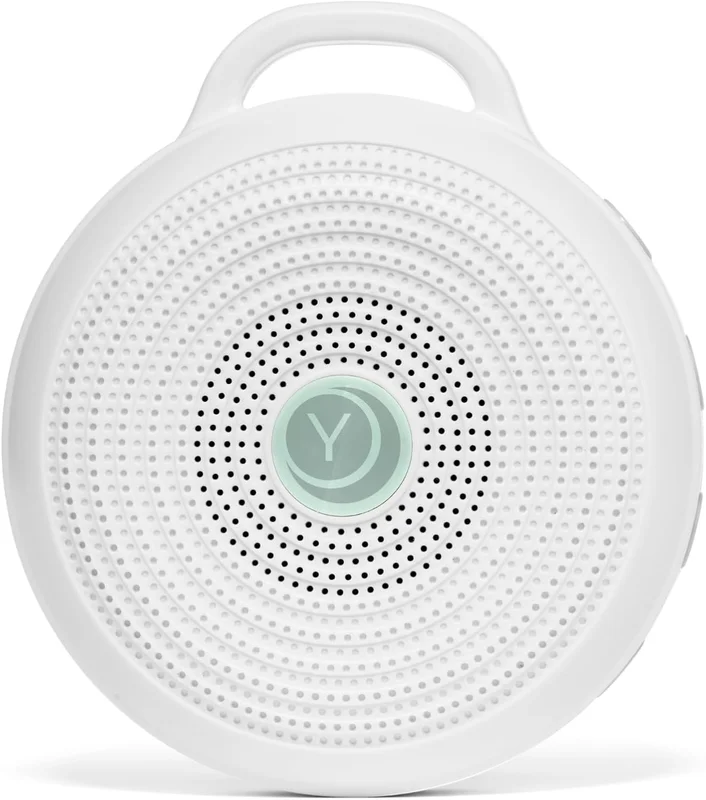
Yogasleep Rohm Travel White Noise Machine
$34.95
Pros
- Compact and rechargeable — fits in a coat pocket
- Three sound options: white noise, fan, surf
- Up to 12 hours battery life per charge
Cons
- Only three sounds vs full LectroFan library
- Not as full-bodied as a plug-in Dohm
Shift workers need steady masking noise more than most users because daytime environments are unpredictable — a dog that starts barking at 2 PM, a lawn mower next door, trash pickup. The Yogasleep Rohm is rechargeable, travel-friendly, and produces clean white, pink, or brown noise that masks these disturbances consistently.
What buyers consistently like
- Portable enough for hotel stays and travel. Shift workers often travel for training, family events, or layovers; the Rohm fits in a carry-on.
- Long battery life. 8–12 hours per charge — enough for a full daytime sleep period.
- Three sound options. White, pink, brown. Most users settle on pink or brown as the most pleasant.
- Rugged. Survives travel without issues.
- Affordable. Roughly $40 makes it a low-commitment upgrade.
Trade-offs
- Lower maximum volume than a plug-in machine. Fine for most environments; may not mask very loud street noise alone.
- Audible looping on long use. Electronic, not mechanical — you can occasionally hear the loop cycle if you listen for it.
- Small footprint means small speaker. Less "room filling" than larger sound machines.
3. Manta Sleep Mask — Best Backup Light Blocking
Manta Sleep
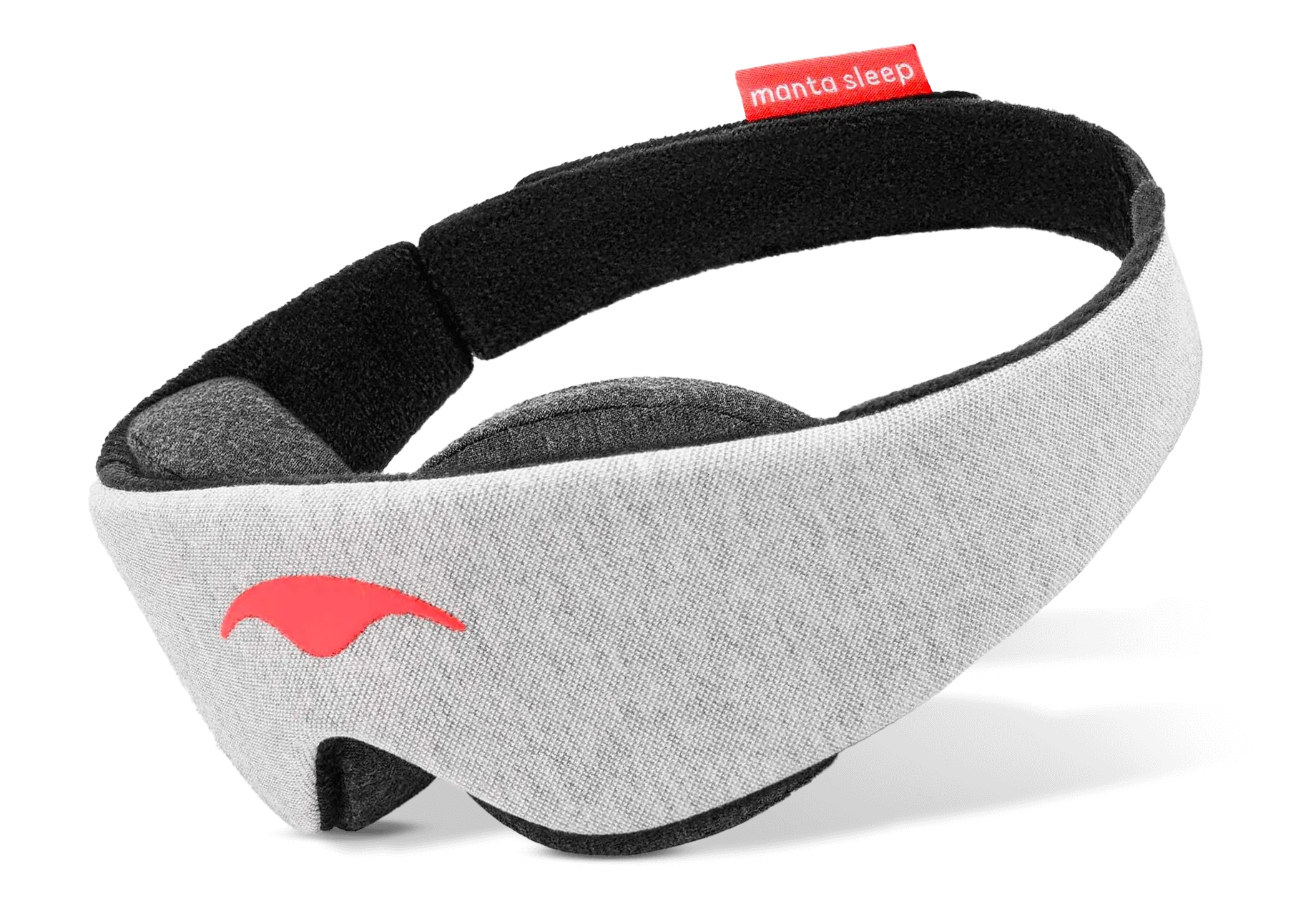
Manta Sleep Mask
$35.00
Pros
- Adjustable eye cups for total blackout
- Zero pressure on eyelids
- Modular and machine washable
Cons
- Bulkier than flat masks
- Strap can loosen over months of heavy use
Even with blackout curtains, there's always light leak — around the window frame, from a hallway, from an alarm clock display. A good sleep mask is the final layer of darkness, and the Manta's eye-cup design is the single most-recommended option for shift workers because it blocks light completely without pressing on the eyelids.
What buyers consistently like
- Complete light blocking. The eye cups create a true seal around each eye. Not "mostly dark" like flat masks; actually dark.
- Comfortable for all-night wear. The cups keep fabric off your eyelids, so there's no pressure or eyelash crushing.
- Side-sleeper friendly. Doesn't press against the pillow uncomfortably the way flat masks do.
- Adjustable strap. Fits any head size.
- Long lifespan. 3+ year reviews are common. You'll get years of use.
Trade-offs
- Price. ~$35 is expensive for a sleep mask — but much cheaper than going through multiple failed flat masks first.
- Takes 1–2 nights to get the cup positioning right.
- Visible profile. Not as subtle as a flat mask; some users find the cup design visually weird at first.
4. Hatch Restore 2 — Best Smart Alarm for Shift Workers
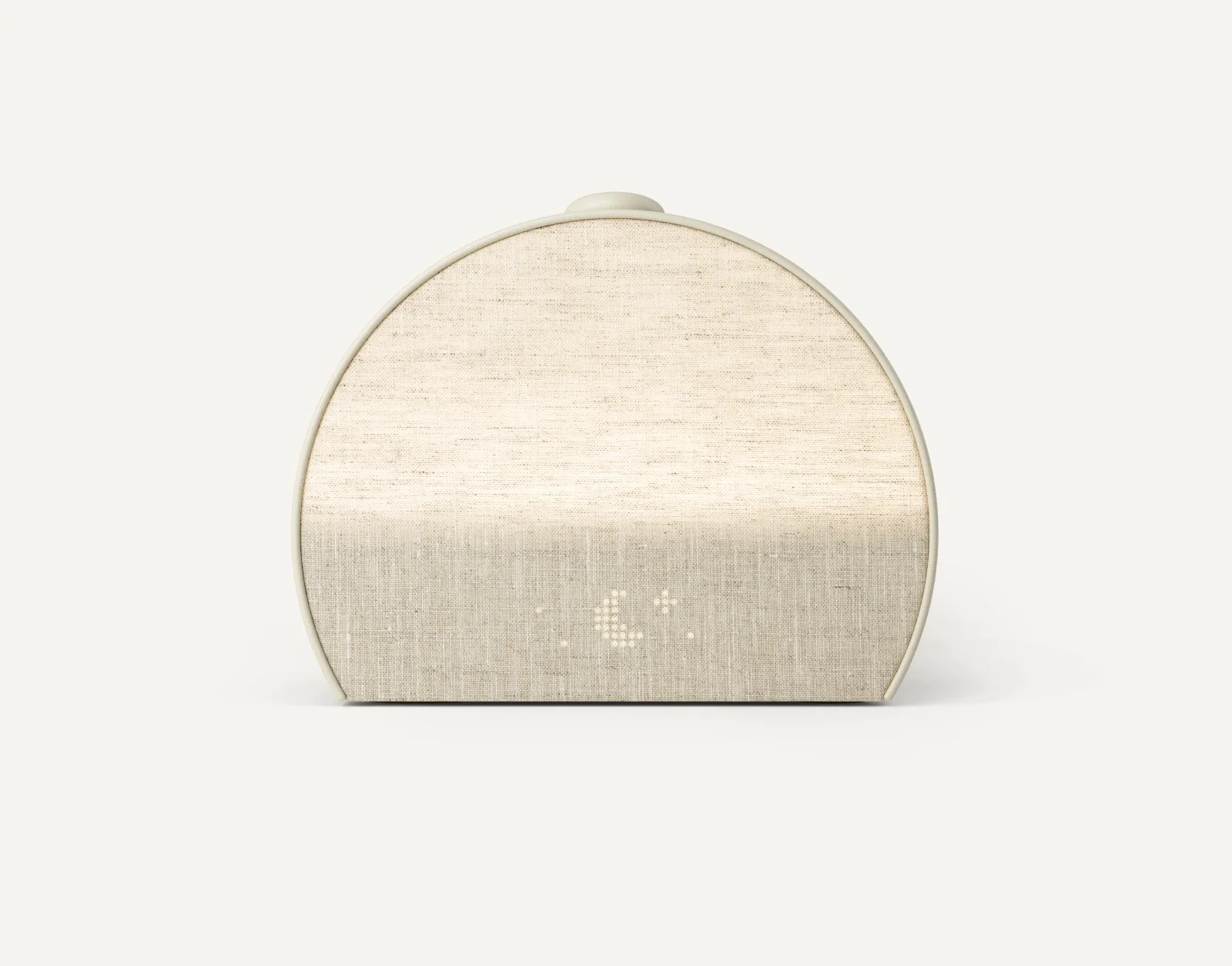
Hatch
Hatch Restore 2
$169.99
Pros
- Programmable wind-down routines
- Gradual sunrise wake-up
- Wide library of sounds and meditations
Cons
- Premium content sits behind a subscription
- App required for setup
The Hatch Restore 2 is the most-recommended smart alarm for shift workers because it combines four features no other device has: programmable wind-down routines (which matter when you're winding down at 10 AM in bright daylight), soft sunrise light (which helps wake-up when you need to get up for a night shift), custom sleep sounds (which work with your sound machine as layered audio), and phone-free operation (no screens to disrupt your wind-down).
What buyers consistently like
- Sunrise wake-up even during darkness. If your "morning" is 6 PM because you worked a night shift, the gradual light simulates natural sunrise even though it's actually evening. This helps your cortisol rise and your body feel more awake.
- Custom routines. Program a specific wind-down for 10 AM if that's when you sleep; program a different routine if your shift changes.
- Replaces multiple devices. Sound machine, nightlight, alarm clock, reading lamp — one device, less clutter.
- Works when the world is loud. Unlike phone alarms that get drowned out by white noise machines, the Hatch's alarm can be configured to be loud enough to wake you even with a sound machine running.
Trade-offs
- Subscription for premium features. Some sleep stories and meditations are behind Hatch+.
- Requires app setup. You need a smartphone to configure it. Once set up, phone can leave the room.
- Price. ~$170 is significant, but replaces several devices.
How to actually use the stack
Before your sleep period:
- Dim the Hatch to warm amber 30 minutes before target sleep time.
- Close the blackout curtains fully.
- Put on the Manta mask.
- Start the Rohm on pink noise at a comfortable volume.
During sleep:
- The mask blocks any light that leaks around the curtains.
- The sound machine masks any noise that gets through the walls.
- The dark, cool, quiet environment simulates biological night.
Wake up:
- The Hatch fades up gradually from warm amber to cool daylight over 20–30 minutes before your target wake time.
- An optional sound alarm kicks in if the light alone isn't enough.
This combination is consistently reported in shift-worker reviews as the most impactful sleep investment they've made.
Frequently asked
What's the most important product in the stack?+
Do I really need both blackout curtains and a sleep mask?+
Which sound — white, pink, or brown — is best for shift workers?+
Can I use the Hatch as a sound machine instead of a dedicated one?+
Will this stack fix shift-work sleep problems completely?+
Where to go next
Related findings.
 Edge Pick
The Best White Noise Machines for Tinnitus in 2026
Tinnitus at night is relentless. The right masking sound can make sleep possible again. Here's what customers with tinnitus consistently rate highest for nighttime use.
 Edge Pick
The Best Weighted Blankets for Deep Sleep (2026)
What the research says about weighted blankets for sleep and anxiety — plus the two products verified buyers consistently rate highest.
 Edge Pick
The Best Weighted Blankets for Anxiety in 2026
Weighted blankets use deep pressure stimulation to calm the nervous system — a technique originally developed for anxiety and sensory disorders. Here's what customers rate highest.