The Best Eucalyptus Sheets in 2026
Eucalyptus fiber (Tencel) is softer than cotton, cooler than bamboo, and more sustainable than both. Here's the most-recommended eucalyptus sheet set customers rate highest.
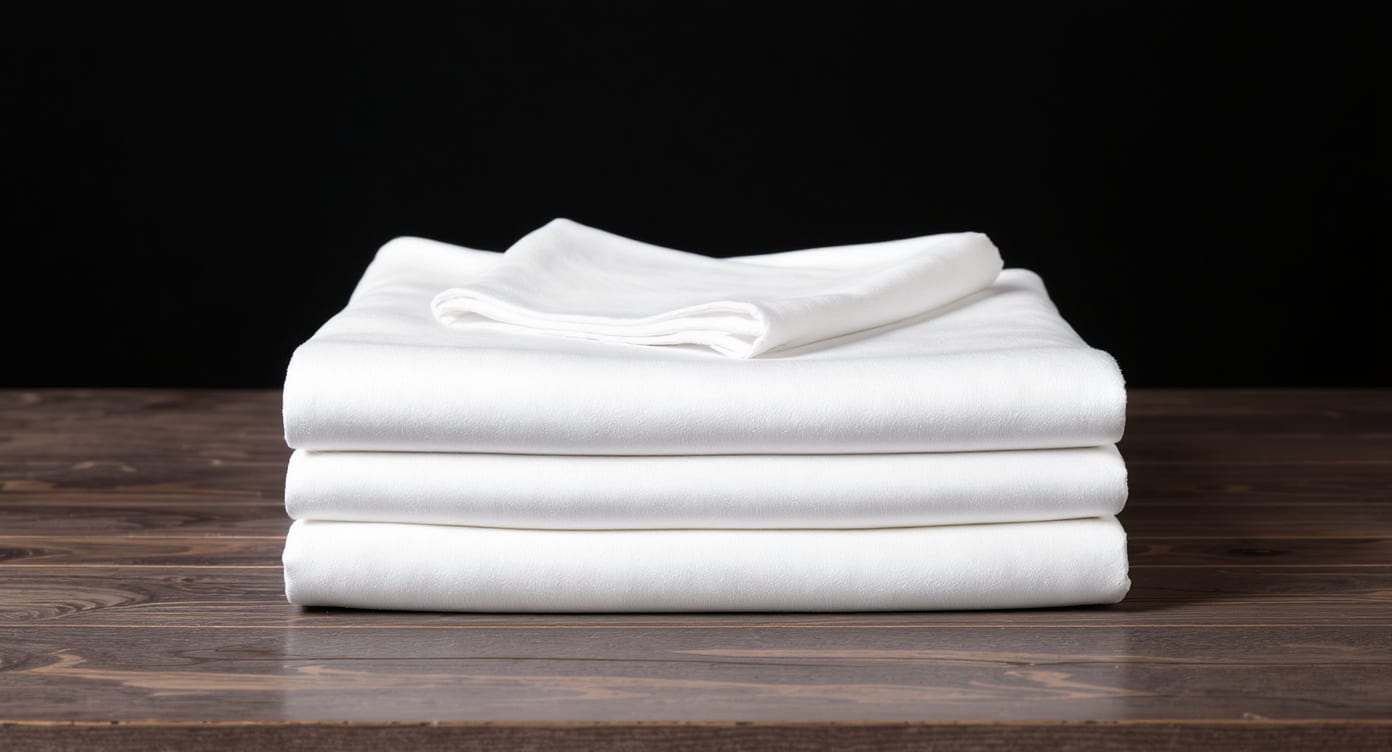
Eucalyptus fiber — commercially sold as Tencel — is the quietest premium material in bedding. Less marketed than bamboo, less mainstream than cotton, but arguably the best combination of all three things that matter in a sheet set: it's softer than cotton, cooler than bamboo, and uses 95% less water to produce than cotton. For hot sleepers, chemical-sensitive users, and anyone who cares about environmental impact, it's the quiet winner.
This guide covers the eucalyptus sheet set that consistently leads aggregated reviews on Amazon and direct retailers, with an honest take on when it's worth the premium price and when cotton or bamboo alternatives serve you just as well.
What eucalyptus fiber actually is
"Eucalyptus sheets" are made from lyocell — a fiber produced by dissolving eucalyptus wood pulp in a non-toxic solvent and extruding it into long, smooth strands. The commercial brand most people know is Tencel, which is the name Austrian company Lenzing gives to their specific lyocell process.
What makes lyocell different:
- Smoother fiber structure than cotton. Cotton fibers have microscopic bumps. Lyocell is smooth, which translates to a silkier feel and reduced friction on skin.
- Better moisture wicking than cotton. Lyocell absorbs moisture 50% better than cotton and releases it faster, which keeps you drier through night sweats.
- Temperature regulating. The fiber structure passively releases heat more efficiently than cotton or synthetic fibers.
- Naturally antibacterial. Lyocell's smooth surface resists bacterial colonization, which means less odor and longer time between washes.
- Closed-loop manufacturing. The Tencel process recycles 99% of the solvent used, making it dramatically more sustainable than cotton or synthetic alternatives.
What to look for in eucalyptus sheets
1. 100% Tencel lyocell, not a blend. Some "eucalyptus" sheets are 70/30 lyocell-cotton or lyocell-polyester blends. Both dilute the benefits. Look for 100% Tencel or 100% lyocell.
2. Thread count isn't the main metric. Because lyocell fibers are longer and smoother than cotton, high thread counts don't mean what they mean in cotton. A 300-thread-count Tencel sheet often feels more luxurious than 500-thread-count cotton.
3. Weave. Sateen weave is more common in eucalyptus sheets and produces a silkier feel. Percale Tencel exists but is rarer.
4. Deep pockets. Measure your mattress before buying. Lyocell has less stretch than cotton, so inadequate pockets are a common complaint.
5. OEKO-TEX or STANDARD 100 certification. Independently verified that the fabric meets stringent chemical safety standards.
1. Buffy Eucalyptus Sheets — Best Overall

Buffy
Buffy Eucalyptus Sheets (Queen)
$179.00
Pros
- Lyocell from sustainably sourced eucalyptus — naturally cooling
- Moisture-wicking and breathable for hot sleepers
- Soft and silky without chemical finishes
Cons
- Premium pricing compared to cotton sheets
- Fabric is delicate — gentle wash cycle recommended
The Buffy Eucalyptus Sheets are the most-recommended lyocell sheet set in aggregated reviews. Buffy is a direct-to-consumer bedding brand that built its reputation on eco-friendly materials, and this sheet set is the only widely-available 100% Tencel lyocell set in the mainstream retail market. At around $170 for a queen, it's premium but not ultra-premium — priced similarly to Brooklinen's long-staple cotton sets.
What buyers consistently like
- Genuinely silky-soft. The #1 cited benefit. Owners coming from standard cotton describe it as "like silk but not slippery." The fiber smoothness creates a hand that's distinct from both bamboo and cotton.
- Actually cool to sleep on. Hot sleepers consistently rank Buffy above both cotton and budget bamboo for true overnight cooling. The moisture wicking is the mechanism — you stay drier, which keeps you cooler.
- Gets softer with washing. Unlike some materials that pill or degrade, Tencel softens over the first 10–20 washes and holds that feel for years.
- Hypoallergenic. Naturally resistant to dust mites and less prone to bacterial growth than cotton. Good for sensitive skin and allergy sufferers.
- Eco credentials. 95% less water than cotton in production, closed-loop solvent recycling, FSC-certified wood pulp sourcing.
- Machine washable. Cold water, tumble dry low — standard care, no special requirements.
Trade-offs
- Price. Roughly $170 for a queen set. Premium pricing, not budget.
- Limited color selection. Buffy keeps the product line minimal — you won't find 40 colors like on Amazon budget sheets.
- Less widely available than bamboo or cotton. Direct-to-consumer, not in most stores.
- Sateen weave isn't for everyone. If you prefer crisp percale (like hotel sheets), the sateen hand of eucalyptus feels different.
- Some reports of static cling. Lyocell can develop mild static in dry environments, especially winter. Skin contact reduces it; a humidifier essentially eliminates it.
When eucalyptus is worth the premium
Choose eucalyptus sheets if:
- You're a hot sleeper who's already tried bamboo and wants cooler
- You have sensitive skin or bedding allergies
- You value environmental impact and closed-loop manufacturing
- You want the silkiest feel available in natural fibers
- You're replacing sheets that need replacing anyway — don't buy these to replace perfectly good cotton
Stick with cotton or bamboo if:
- Budget is tight (Tencel is 3–4x the price of budget bamboo)
- You prefer crisp percale over silky sateen
- You live in a very dry climate where static might be an issue
- You're buying for a guest room or kid's room where minimum-acceptable quality is the goal
Eucalyptus vs. bamboo vs. cotton
This is a common shopping decision, so let's compare explicitly:
| Feature | Eucalyptus (Tencel) | Bamboo (viscose) | Long-Staple Cotton | |---|---|---|---| | Initial softness | Silkiest | Silky | Crisp, less silky | | Cooling (hot sleepers) | Best | Very good | Depends on weave | | Moisture wicking | Best | Very good | Good | | Durability | 5–10 years | 2–5 years | 5+ years | | Price (queen) | $140–200 | $30–100 | $80–200 | | Environmental impact | Lowest | Medium-low | Higher (water use) | | Widely available | No (DTC-only mostly) | Yes | Yes |
For most hot sleepers, eucalyptus is the best material but only worth the premium if you can afford it. Budget bamboo delivers 70% of the benefit at 20% of the cost — which is why it's the more popular pick in aggregated reviews despite being materially inferior.
How to care for eucalyptus sheets
1. Cold water only. Hot water damages lyocell fibers more than cotton.
2. Mild detergent, no bleach. Bleach weakens lyocell significantly.
3. Tumble dry low. High heat is the fastest way to ruin the sheets' hand feel.
4. Avoid fabric softener. Tencel is already soft — softener leaves residue that reduces moisture wicking.
5. Wash less frequently. Lyocell's natural antibacterial properties mean you can wash every 2 weeks instead of weekly without odor issues.
6. Store folded, not crumpled. Reduces permanent creases.
Frequently asked
Where to go next
Related findings.
 Edge Pick
The Best Alarm Clocks for Heavy Sleepers in 2026
If you sleep through every alarm on your phone, you need a device that wakes you with more than sound. Here's what heavy sleepers consistently rate highest on Amazon.
 Edge Pick
The Best Bed Cooling Systems for Hot Sleepers in 2026
If you run hot at night and cheap fixes haven't worked, the next step is an actual bed cooling system. Here's the active cooling approach customers consistently rate highest.
 Edge Pick
The Best Blackout Curtains for Apartments in 2026
Apartment sleepers deal with street lights, neighbor windows, and landlord-restricted installations. Here are the blackout curtains renters consistently rate highest.