The Best Bamboo Sheets in 2026
Bamboo viscose sheets sleep cooler than cotton, feel silkier, and wick moisture faster. Here are the bamboo sheet sets customers consistently rate highest on Amazon and Walmart for hot sleepers and night sweats.
Bamboo viscose has quietly become the most-recommended sheet fabric for hot sleepers in bedding reviews, and for good reason: it's softer than standard cotton, breathes better, wicks moisture faster, and has a naturally cool hand on contact. The downside has historically been price — premium bamboo sheet sets run $150–$300. But one brand in particular has made bamboo sheets mainstream-affordable, and it's the most-reviewed option in the category.
This guide covers the bamboo sheet set that consistently leads verified buyer reviews — with an honest look at what "bamboo" actually means on a sheet label (it's more nuanced than the marketing suggests).
What "bamboo sheets" actually means
This is where bedding marketing gets murky. When you see "bamboo sheets," you could be buying:
1. Bamboo viscose (rayon). The bamboo plant is chemically processed into viscose rayon fiber. This is what most "bamboo sheets" actually are. The resulting fiber has the cool, silky hand associated with bamboo bedding — but it's chemically rayon, not raw bamboo.
2. Bamboo linen. Mechanically processed bamboo fiber, much rarer and more expensive. Feels more like linen (crisper, more textured) than viscose.
3. Bamboo blends. Bamboo viscose mixed with cotton, polyester, or other fibers. Most budget "bamboo" sheets are blends — often 60–70% polyester, 30–40% bamboo viscose — which dilutes the benefits.
4. 100% bamboo lyocell. A cleaner-process version of bamboo viscose with similar feel and slightly better environmental credentials. More expensive, less common.
For buying purposes, know this: The hand-feel, cooling, and moisture-wicking properties come from the viscose rayon structure — whether it's derived from bamboo, eucalyptus (Tencel), or beech wood (modal). They all feel similar. "Bamboo" is a marketing category more than a materially distinct fiber.
What to look for in a bamboo sheet set
1. Fiber percentage. Read the label. 100% bamboo viscose > a cotton-bamboo blend > a polyester-bamboo blend. Budget options are usually blends.
2. Weave. Bamboo viscose is typically woven in a sateen pattern, which contributes to the silky feel. Percale bamboo is rarer but crisper.
3. Thread count. Bamboo sheets are typically 300–500 thread count. Above 500 is marketing fluff; below 250 will feel thin and wear out faster.
4. Deep pockets. Check fitted sheet pocket depth before buying. Bamboo fabric has less stretch than cotton, so inadequate pockets are a common complaint.
5. OEKO-TEX certification. This certifies the fabric has been tested for harmful chemicals, which matters for viscose processing specifically (some cheap manufacturers leave residue).
1. Bedsure Bamboo Sheets — Best Value
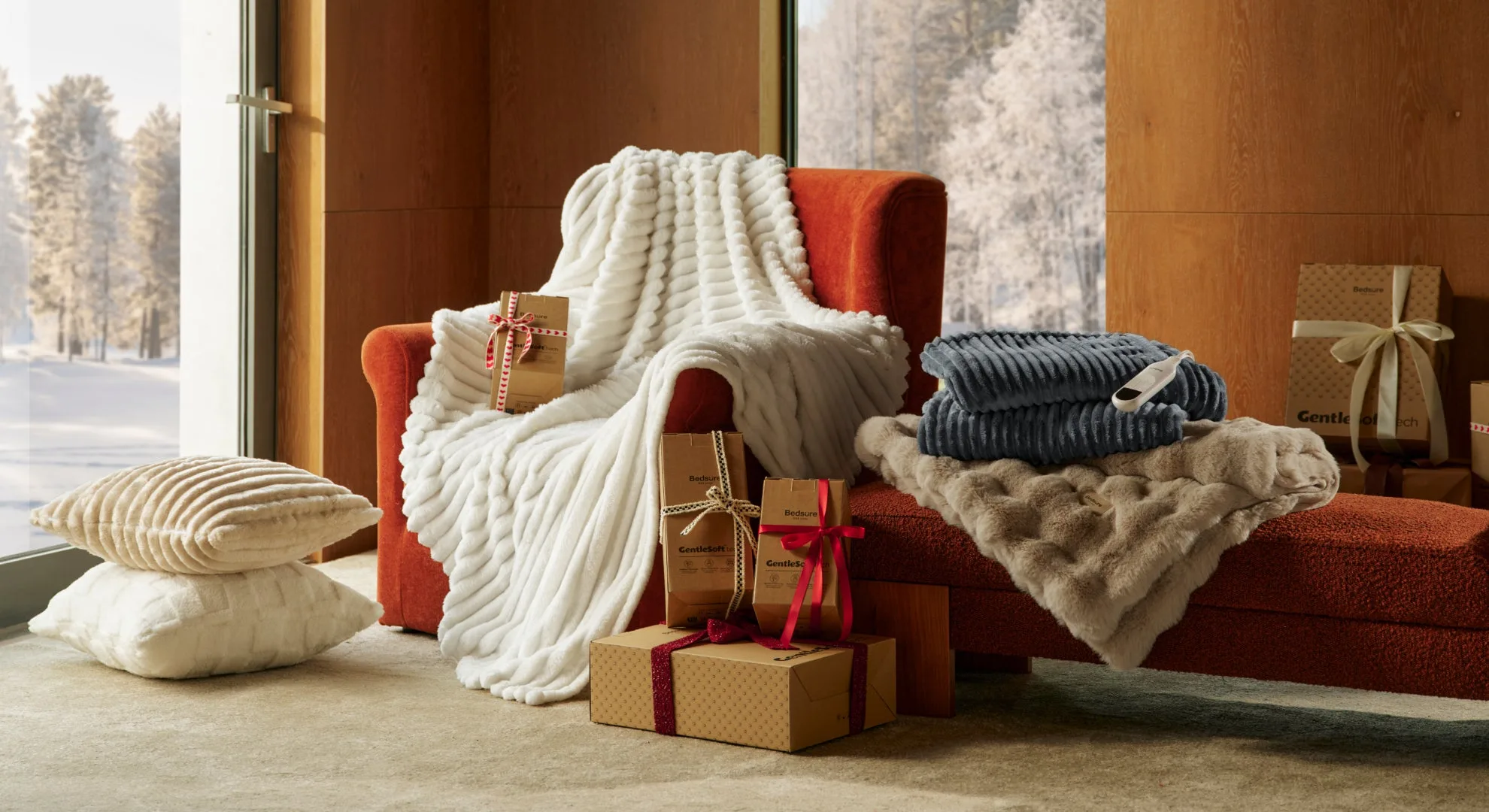
Bedsure
Bedsure Bamboo Sheets (Queen Set)
$39.99
Pros
- Bamboo viscose blend — naturally cooling and moisture-wicking
- One of the highest-rated budget cooling sheet sets on Amazon
- Available in 30+ colors and all standard sizes
Cons
- Bamboo blend, not 100% bamboo — purists prefer pure
- Pilling reported after many wash cycles
The Bedsure Bamboo sheet set is the most-reviewed bamboo sheet on Amazon with over 80,000 ratings, and it consistently leads detailed reviews for one specific reason: it delivers most of the breathability and wicking benefits of premium bamboo at about 1/5 the price of specialty brands. If you want to try bamboo sheets without committing $200 upfront, this is the standard entry point.
What buyers consistently like
- Feels cool on contact. The #1 cited benefit. Hot sleepers consistently describe the silky, cool hand as noticeably different from cotton — even before the moisture-wicking kicks in.
- Moisture wicking. Reviews from people with night sweats or menopausal heat consistently describe significantly drier mornings compared to cotton.
- Soft and silky. A sateen weave with bamboo fiber produces a hand-feel similar to much more expensive sheets. Multiple reviewers describe it as "luxurious."
- Price. Under $40 for a queen set is roughly 1/4 the price of single-fiber premium bamboo. Entry-level affordable.
- Durability. 6–12 month reviews consistently report the sheets holding up through regular washing without significant pilling or fading.
- Wide color selection. 30+ colors lets you match existing bedroom decor.
- Machine washable. No special care requirements. Washes and dries normally.
Trade-offs
- It's a blend, not 100% bamboo. This is the key caveat. Bedsure Bamboo sheets are typically a bamboo-polyester or bamboo-microfiber blend, not pure bamboo viscose. The blend reduces cost and adds durability, but slightly reduces breathability compared to a 100% bamboo viscose set.
- Not as premium as specialty brands. If you've slept on $200+ 100% bamboo sheets, the difference is noticeable — the hand, the weight, and the long-term softening are all slightly more refined. Whether that difference is worth $160 is your call.
- Pocket depth varies. Reports on fitted sheet fit are mixed. Measure your mattress before buying, especially if you have a pillow-top or deep hybrid.
- Pilling risk after 1+ year. As with most blended sheets, some long-term reviewers report pilling in high-contact areas (under the hips, near the edges). Washing in cold water with a mild detergent slows this.
Bamboo sheets vs. cotton: when to choose which
Choose bamboo sheets if:
- You sleep hot or have night sweats
- You prefer a silky, smooth hand over crisp cotton texture
- You want moisture-wicking without polyester synthetic feel
- You have sensitive skin (bamboo viscose is gentler than many cottons)
Choose cotton (specifically long-staple cotton percale) if:
- You prefer a crisp, cool, slightly-textured hand over silky
- You want maximum durability (10+ year sheet sets are possible in premium cotton)
- You sleep in a cold climate year-round and don't need cooling
- You want to iron your sheets (bamboo doesn't iron well)
Most hot sleepers end up preferring bamboo; most cold sleepers end up preferring cotton. Try both if you're not sure — sheets are one of the categories where personal preference dominates.
How to wash bamboo sheets
1. Cold water. Hot water degrades bamboo viscose fibers over time.
2. Mild detergent. Skip bleach, fabric softeners, and harsh detergents — they weaken the fibers and can strip the natural silkiness.
3. Low heat drying. Line drying is ideal; tumble dry low works fine. High heat is the #1 cause of premature bamboo sheet wear.
4. Separate from zippers and rough fabrics. Bamboo can snag on zippers, velcro, and rougher fabrics in the same wash load. Wash sheets with sheets only if possible.
Frequently asked
Are bamboo sheets actually cooler than cotton?+
Is bamboo viscose the same as eucalyptus (Tencel) sheets?+
Do bamboo sheets wrinkle?+
Are bamboo sheets hypoallergenic?+
How long do bamboo sheets last?+
Where to go next
Related findings.
 Edge Pick
The Best White Noise Machines for Tinnitus in 2026
Tinnitus at night is relentless. The right masking sound can make sleep possible again. Here's what customers with tinnitus consistently rate highest for nighttime use.
 Edge Pick
The Best Weighted Blankets for Deep Sleep (2026)
What the research says about weighted blankets for sleep and anxiety — plus the two products verified buyers consistently rate highest.
 Edge Pick
The Best Weighted Blankets for Anxiety in 2026
Weighted blankets use deep pressure stimulation to calm the nervous system — a technique originally developed for anxiety and sensory disorders. Here's what customers rate highest.