The Best Down Alternative Comforters in 2026
Real down is expensive and allergy-triggering. Down alternative comforters deliver the cloud-like feel at a fraction of the price. Here's what customers consistently rate highest on Amazon and Walmart.
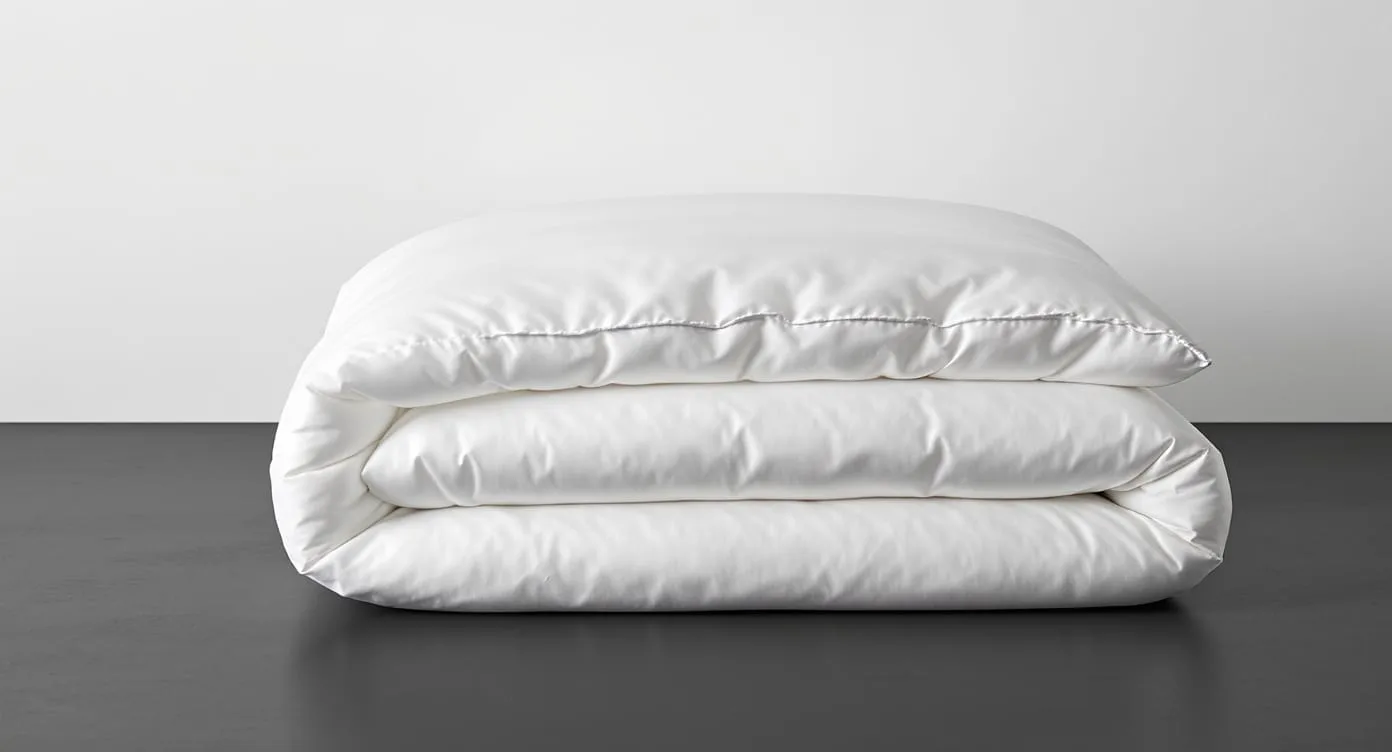
Real down comforters are a luxury for a reason — they're the warmest, lightest, most cloud-like bedding you can buy. But they're also expensive ($300–$1,500 for a queen), require dry cleaning, and are a nightmare for people with down allergies. Down alternative comforters solve all three problems: synthetic fill that mimics the fluffy feel and warmth of down, at 1/5 the price, machine-washable, and hypoallergenic. For most people, a quality down alternative is the smarter purchase.
This guide covers the down alternative comforter that consistently leads detailed reviews on Amazon and Walmart — with a focus on warmth level, wash durability, and the construction details that separate a 5-year comforter from a 5-month one.
What to look for in a down alternative
1. Fill material. "Down alternative" is a broad category, and the fill quality varies wildly. Look for polyester microfiber fill (the standard) or gel-filled fiber (slightly fluffier). Avoid cheap loose polyester that clumps within months.
2. Fill power (or weight). Down comforters use "fill power" as a warmth measure; down alternatives use fill weight in ounces per square yard. For most sleepers, medium-weight fill (36–50 oz for a queen) is the year-round sweet spot — warm enough for winter without overheating in summer.
3. Baffle-box vs. sewn-through construction. Baffle-box construction uses vertical walls between compartments to allow the fill to loft fully. Sewn-through (where the fill compartments are sewn flat) is cheaper but allows fill to shift and bunch. Baffle-box is meaningfully better for longevity.
4. Cover fabric. Cotton or microfiber covers breathe better than polyester. Thread count above 250 is a reasonable marker for quality. Below 200 runs thin and short-lived.
5. Corner ties. Loops at the corners let you attach a duvet cover securely. Most owners use a duvet cover to protect the comforter and change color schemes — loops make this dramatically easier.
1. Bedsure Down Alternative Comforter — Best Overall
Bedsure
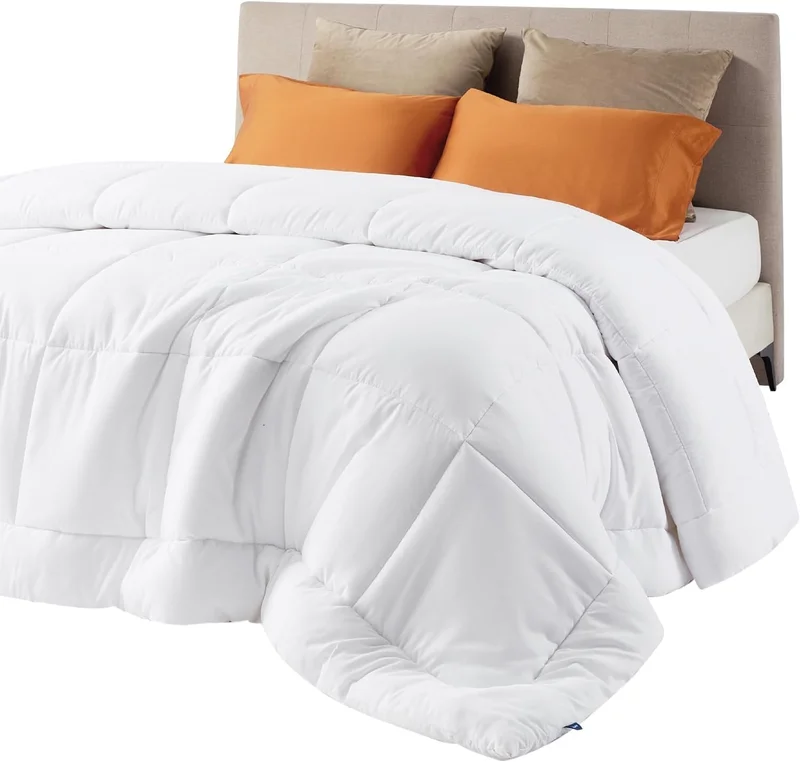
Bedsure Down Alternative Comforter (Queen)
$54.99
Pros
- Hypoallergenic down-alternative fill — safe for allergies
- Box-stitched to prevent fill shifting
- Machine washable, popular value pick on both retailers
Cons
- Less warmth than real down for cold sleepers
- Polyester fill can feel warm in summer
The Bedsure Down Alternative Comforter is the most-reviewed down alternative on Amazon with well over 100,000 ratings and consistent 4.5+ stars. It's the no-frills execution of the category done competently: quality microfiber fill, solid box-stitch construction, soft brushed-polyester cover, corner loops for a duvet, and a price point that makes it an easy default pick for guest rooms, kids' rooms, and primary bedrooms alike.
What buyers consistently like
- Genuinely fluffy feel. The #1 cited benefit in 5-star reviews. Owners who expected cheap flat fill are pleasantly surprised — the microfiber poofs up to a legitimate down-alternative thickness.
- Year-round warmth. Medium fill weight keeps it in the sweet spot — warm for winter (with a duvet or layered bedding), but not suffocating in summer with a fan running.
- Hypoallergenic. Synthetic fill doesn't trigger the same immune response as real down feathers. Critical for allergy sufferers.
- Machine washable. Fits in most home washers (queen and below) and dries on low heat without clumping. This is a huge advantage over real down, which typically requires dry cleaning.
- Corner loops. Four corner loops make attaching a duvet cover easy, which matters because most owners use a cover to protect the comforter and switch up bedroom aesthetics seasonally.
- Price. Under $50 for a queen puts it at roughly 1/6 the price of mid-range down. For the difference, you could buy two of these and swap them out for cleaning.
- 40+ color options. Actually matters — bedroom color coordination is a real thing.
Trade-offs
- Not a premium feel. It's a good execution of the category, not a luxury product. If you've slept under $800 European down, the difference is obvious. If you haven't, you won't miss it.
- Sewn-through box stitching, not baffle-box. Slightly more prone to fill shifting over time than true baffle-box construction, though detailed reviews suggest most owners don't notice.
- Fill can compress after 1–2 years. Not as long-lasting as a premium down comforter. Budget ~2–3 years of full-loft use; more if you're gentle with it.
- Not the warmest option. For very cold bedrooms or winter-only use, a heavier fill weight might be preferable. This is positioned as year-round, not arctic-grade.
Down alternative vs. real down: when to choose which
Choose down alternative (Bedsure) if:
- You or anyone in your household has a down allergy
- You want to machine-wash it rather than dry clean
- You don't want to spend $300+ on bedding
- You prefer ethics-simple bedding (no animal sourcing questions)
- You want a comforter you can replace every few years without financial stress
Choose real down if:
- You sleep in a cold bedroom (below 62°F) and want maximum warmth-to-weight ratio
- You're willing to dry clean annually
- You want a 10–15 year product
- You want the lightest possible warm comforter (down's warmth-to-weight ratio is unmatched)
For ~90% of sleepers, a quality down alternative is the smarter purchase. Real down is worth it in specific situations but isn't the right default.
How to wash a down alternative comforter
1. Check the label. Most quality down alternatives are machine-washable. Some require front-loading washers (top-loaders with agitators can snag the fabric).
2. Use mild detergent, cold water, and a gentle cycle. Hot water and aggressive detergent damage synthetic fill.
3. Dry low and long. Tumble dry low heat — this can take 2–3 cycles to fully dry. Add wool dryer balls (or clean tennis balls) to the dryer to break up fill clumps as it dries.
4. Wash every 3–6 months. More frequently if you don't use a duvet cover; less if you do.
Frequently asked
Is down alternative as warm as real down?+
Will a down alternative comforter make me sweat?+
Do down alternative comforters last?+
Can I machine wash it at home?+
Do I need a duvet cover?+
Where to go next
Related findings.
 Edge Pick
The Best White Noise Machines for Tinnitus in 2026
Tinnitus at night is relentless. The right masking sound can make sleep possible again. Here's what customers with tinnitus consistently rate highest for nighttime use.
 Edge Pick
The Best Weighted Blankets for Deep Sleep (2026)
What the research says about weighted blankets for sleep and anxiety — plus the two products verified buyers consistently rate highest.
 Edge Pick
The Best Weighted Blankets for Anxiety in 2026
Weighted blankets use deep pressure stimulation to calm the nervous system — a technique originally developed for anxiety and sensory disorders. Here's what customers rate highest.