TEMPUR-Neck Pillow Review: The Contoured Pillow That Divides Sleepers
A detailed review of the TEMPUR-Neck Pillow — how its contoured cervical design performs for neck pain, who benefits most, and who should avoid it.
We earn a commission if you buy through links on this page, at no extra cost to you. Picks are based on buyer reviews and specs; we don't test products ourselves. How we work

The TEMPUR-Neck Pillow is a polarizing product. Read through owner reviews and two camps emerge: people who call it the only pillow that eased their chronic neck stiffness, and people who found it uncomfortably firm and sent it back within a week. That split is what you'd expect from a contoured, dense foam pillow: right for a specific kind of sleeper, wrong for many others.
Most of the outcome comes down to size and sleep position, so that's where this page spends its time. It draws on Tempur-Pedic's published specs and sizing guidance plus long-term owner feedback; we don't sleep-test pillows ourselves.
Tempur-Pedic
TEMPUR-Neck Pillow (Medium)
Currently unavailable on Amazon (checked 2026-10-15)
Pros
- Contoured cervical support for back and side sleepers
- Original TEMPUR memory foam — durable and supportive
- Three sizes for different shoulder widths
Cons
- Firmer feel takes adjustment for soft-pillow lovers
- Not machine washable — spot clean only
Availability note: the Amazon listing has recently shown as currently unavailable, so check stock and size options before you plan around it.
What it is
The TEMPUR-Neck Pillow is a solid, one-piece TEMPUR memory foam pillow with a contoured ergonomic shape. It features a raised ridge along the front edge designed to support the cervical spine (the natural curve of the neck), with a recessed center area where the head rests. This is not a standard flat pillow — it has a specific shape, a specific orientation, and a specific way it's meant to be used.
The construction details that matter:
- Solid TEMPUR foam. Not shredded, not gel-infused — this is the original proprietary TEMPUR material. Dense, pressure-responsive, and significantly firmer than most pillow foams.
- Contoured profile. The front edge is higher (the cervical ridge), the center is lower (the head cradle), and the back edge is slightly raised. The pillow has a correct orientation — you sleep with the higher ridge under your neck.
- Three sizes. Small (for petite frames), Medium (for average frames), and Large (for broader frames). Size selection is critical and explained below.
- Removable cover. The polyester-knit cover unzips and is machine washable. The foam core is not washable.
- No adjustability. Fixed shape, fixed density, fixed loft. The pillow cannot be modified.
Why neck-pain sufferers keep the TEMPUR-Neck
1. Cervical support that actually works
The dominant theme in 5-star reviews is neck pain relief. Owners who previously cycled through soft, firm, adjustable, down and foam pillows often describe the TEMPUR-Neck as the first one that eased their morning neck stiffness. The mechanism is straightforward: the contoured ridge fills the gap between shoulder and head while supporting the neck's natural curve, maintaining neutral cervical alignment throughout the night.
Owner feedback suggests this benefit is strongest for back sleepers and side sleepers with chronic, mild-to-moderate neck stiffness. Buyers with acute or severe cervical conditions should consult a healthcare provider before relying on any pillow for therapeutic support.
2. Durability measured in years
TEMPUR foam is denser and more durable than most pillow materials. While standard polyester-fill pillows flatten in 6–12 months and shredded memory foam gradually compresses over 2–3 years, long-term TEMPUR-Neck owners commonly report the pillow keeping its shape and density for several years. The dense foam resists permanent compression, so the contour holds. Spread over that lifespan, the cost per year is competitive with budget pillows that need frequent replacement.
3. Consistent night-to-night feel
Because the TEMPUR-Neck is solid foam with a fixed shape, it feels identical every single night. There's no fill to redistribute, no chambers to shift, no loft to re-fluff. Owners who value predictability, especially those who have found a sleeping position that works, often cite this as a key benefit. You don't have to think about the pillow once it's set up correctly.
4. Three size options
The availability of Small, Medium, and Large is a meaningful advantage over one-size-fits-all alternatives. The sizing corresponds roughly to frame size and shoulder width, and buyers who follow Tempur-Pedic's sizing guide tend to report better outcomes than those who guess. The Medium fits the majority of average-build adults; the Small suits petite frames; the Large suits broader builds.
5. Minimal maintenance
No washing the pillow, no fluffing, no adding fill, no rotating. The removable cover goes in the machine every few weeks; the foam core sits on the bed and does its job. For people who want the lowest-maintenance pillow possible, the TEMPUR-Neck delivers.
Common gripes
1. The firmness shock
A frequent complaint and a major driver of returns. The TEMPUR-Neck is significantly firmer than most people expect. Buyers coming from soft down, polyester, or even standard memory foam pillows often describe the first night as uncomfortable, and comparisons to sleeping on a brick are not unusual. The foam softens slightly with body heat and use over a week or two, but it never becomes soft. Owners who end up loving it typically describe an adjustment period of one to two weeks; those who return it often give up within a few nights.
2. Not machine washable (the foam)
The cover washes fine. The foam core cannot be machine washed, and liquid contact risks damaging the proprietary TEMPUR material. For buyers who prioritize deep-cleaning their pillow regularly, this is a meaningful limitation. Using a pillow protector between the foam and the cover is the standard workaround, but it adds a layer and can slightly alter the feel.
3. Wrong size = wrong pillow
Size selection is critical with the TEMPUR-Neck, and buyers who choose incorrectly often report poor experiences. The Medium is the default choice for most retailers, but a petite sleeper on a Medium will find the cervical ridge too high (forcing the neck into hyperextension), while a large-framed sleeper on a Medium will find insufficient support. Many negative reviews read like sizing problems: the pillow itself works, but the wrong size creates problems.
4. Position-locked sleeping
The contoured shape means there's one correct way to use this pillow — on your back with the ridge under your neck, or on your side with the ridge under your neck. Stomach sleeping is essentially impossible. Combination sleepers who shift positions frequently throughout the night often find the contour disorienting or uncomfortable when they're not in the pillow's intended alignment. This pillow rewards consistent sleepers and frustrates movers.
Who should buy the TEMPUR-Neck Pillow
Best for:
- Back sleepers with chronic mild-to-moderate neck stiffness
- Side sleepers who need dedicated cervical support
- People who sleep in one position consistently and don't shift frequently
- Buyers who want a pillow that holds its shape for years
- Anyone who has tried soft/adjustable pillows and found them insufficient for neck support
Not great for:
- Stomach sleepers (the contour makes stomach sleeping impractical)
- Combination sleepers who shift positions frequently
- People who prefer soft, plush pillow feel
- Anyone unwilling to commit to a 1–2 week firmness adjustment period
- Buyers who want machine-washable pillows (foam core is not washable)
How it compares to alternatives
vs. Coop Home Goods Eden Pillow
The Eden is adjustable, softer, and more versatile across sleep positions. The TEMPUR-Neck is fixed, firmer, and purpose-built for cervical support. Choose the Eden if you want flexibility and a softer feel. Choose the TEMPUR-Neck if you have specific neck pain and want dedicated contoured support that doesn't change shape over time.
vs. Casper Original Pillow
Completely different design philosophies. The Casper is a soft, versatile, all-position pillow. The TEMPUR-Neck is a firm, position-specific, therapeutic pillow. There's almost no overlap in their ideal user profiles. The Casper is for comfort; the TEMPUR-Neck is for support.
vs. Epabo Contour Memory Foam Pillow
The Epabo is a budget contour pillow with a similar shape but lower foam density. Buyers who've tried both generally report that the TEMPUR-Neck provides firmer, more consistent support and typically lasts longer. The Epabo is a reasonable way to test whether you like the contour shape before committing to the TEMPUR-Neck's price point.
Where to buy
Frequently asked
How do I choose the right size?+
How long does the adjustment period take?+
Can I sleep on my side with this pillow?+
How do I clean it?+
Is the TEMPUR-Neck Pillow worth the price?+
Where to go next
Related findings.
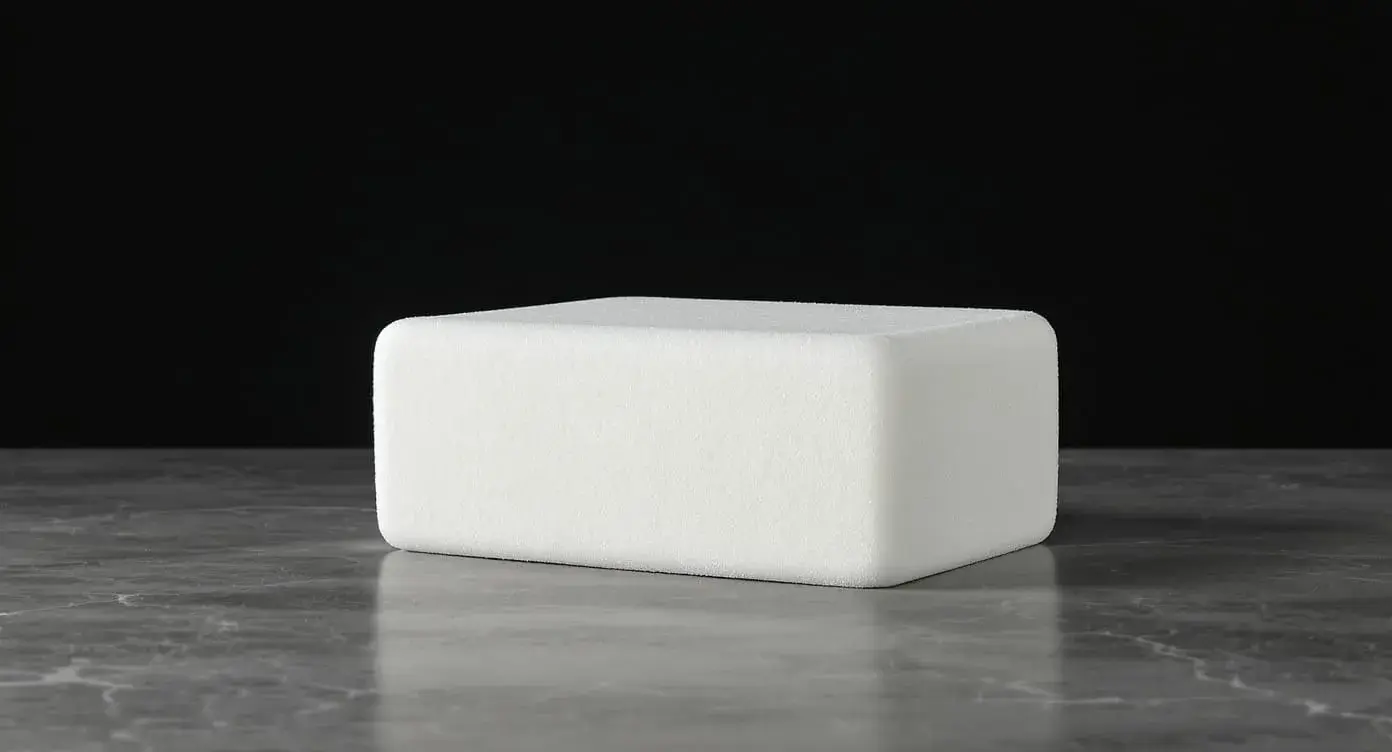 Edge Pick
The Best Pillows for Shoulder Pain in 2026
Shoulder pain from side sleeping is often a pillow-height problem. Our picks for pillows that relieve shoulder pressure, plus a simple multi-pillow setup.
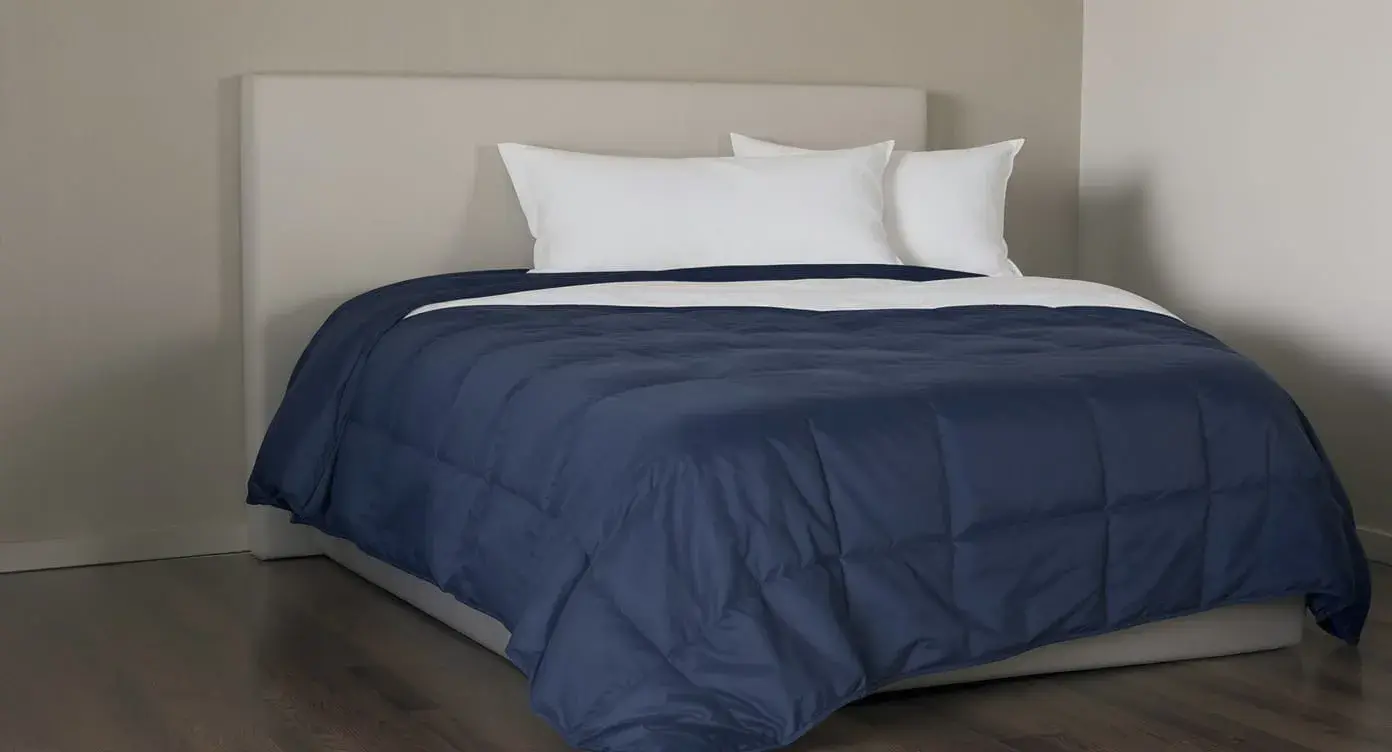 Edge Pick
The Best Pillows for Side Sleepers in 2026
Side sleepers need loft and shoulder support that back sleepers don't. What works, based on owner feedback and sleep ergonomics research on neck alignment.
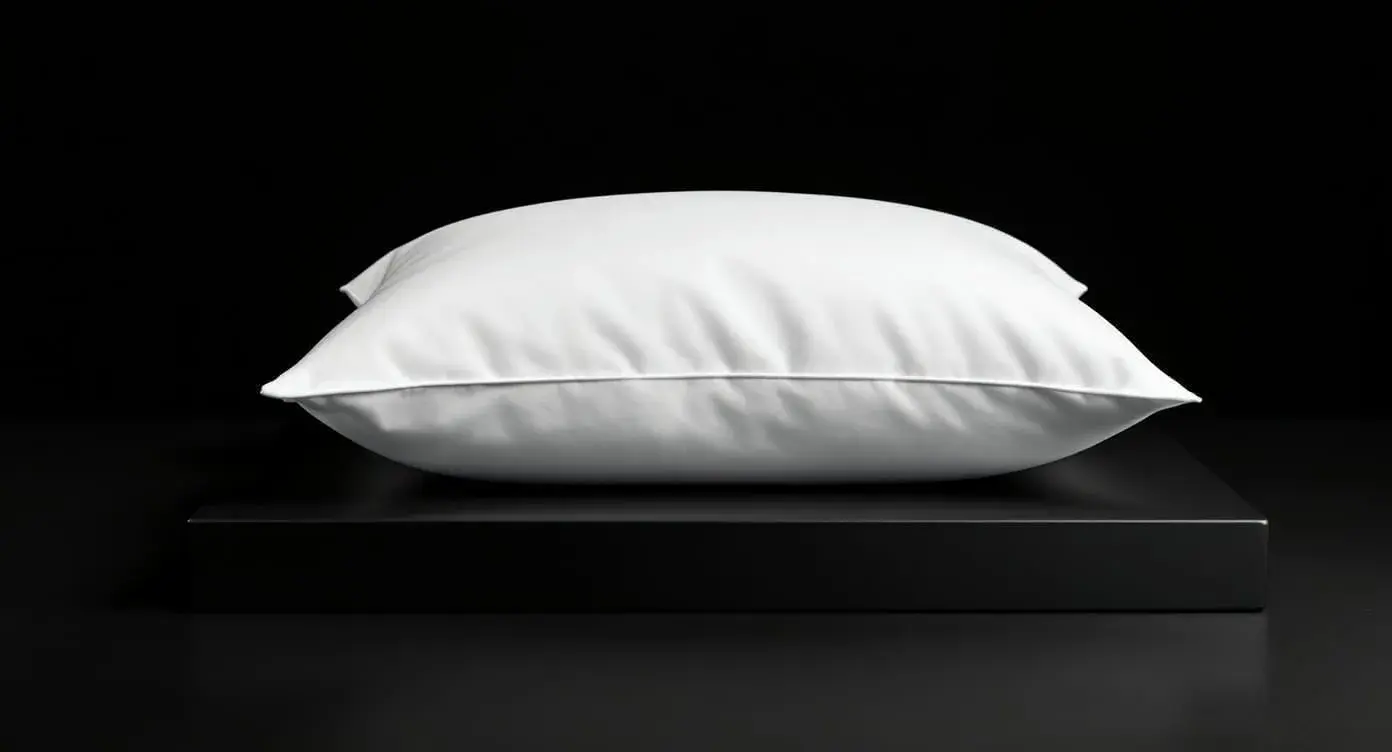 Buyer Report
Coop Home Goods Eden Pillow Review: An Adjustable Pillow You Tune to Your Shoulders
A detailed review of the Coop Home Goods Eden Pillow: why adjustable loft matters, how it compares to fixed-loft alternatives, and who it's worth it for.