Tagged #health
Every SleepingOnTheEdge edge pick, lab report, and protocol filed under Health.
 Protocol
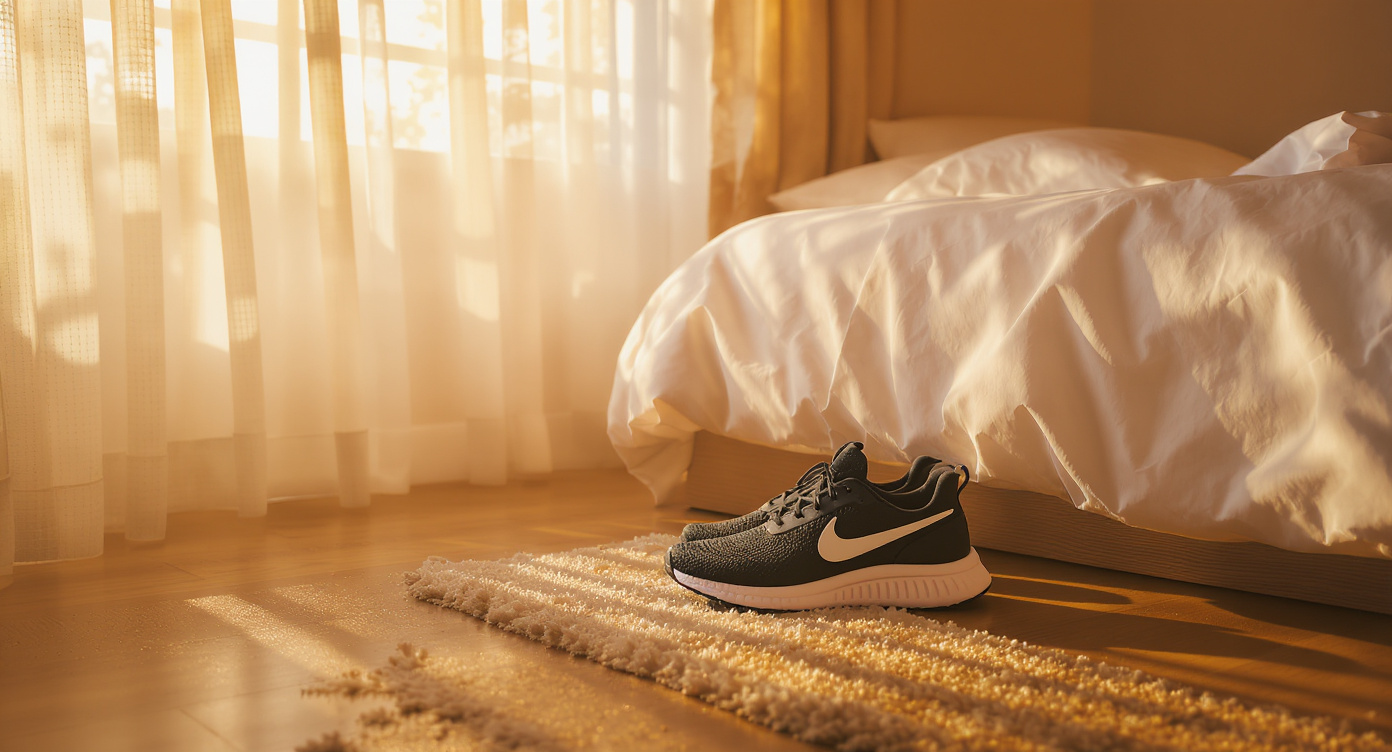
Sleep and Exercise: Timing, Intensity, and What the Research Says
Exercise consistently improves sleep — but timing and intensity matter. A research-backed look at when to train, what to avoid, and why sleep is the recovery tool.
 Protocol
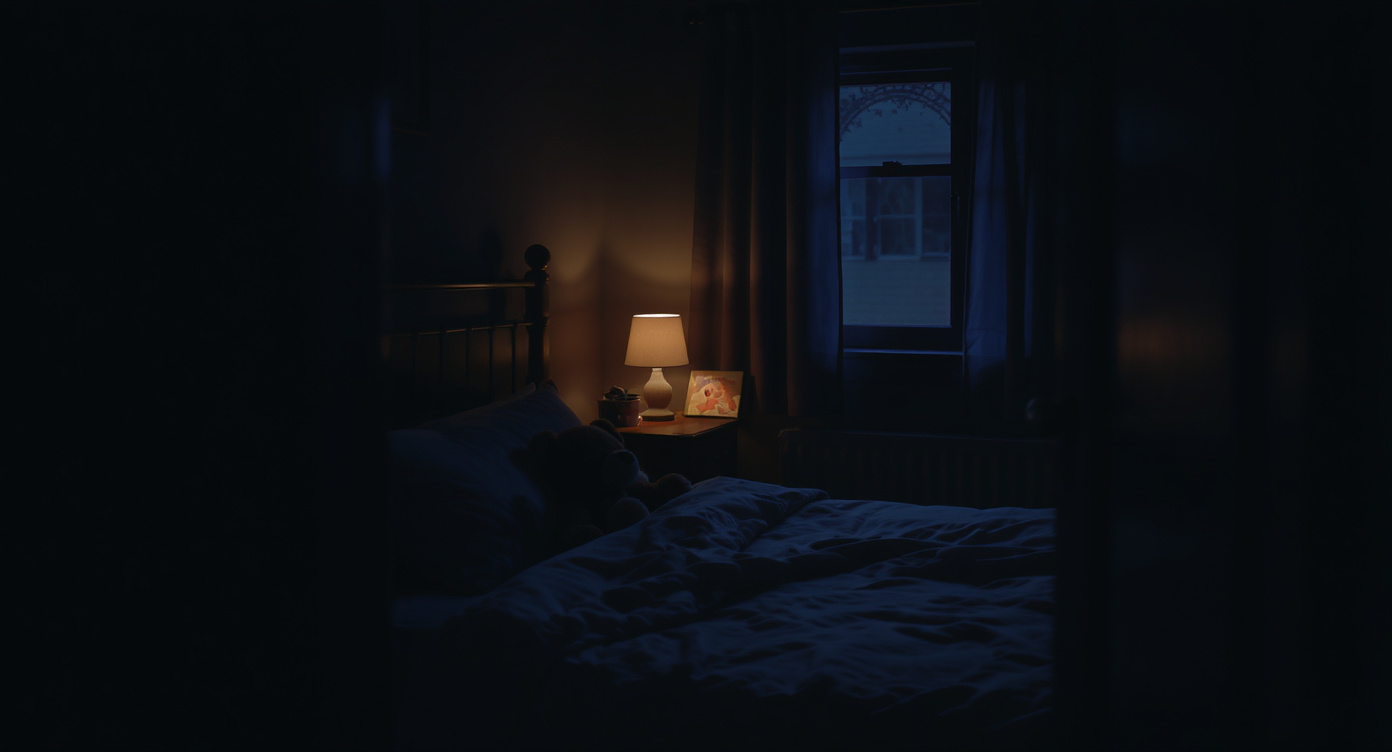
Sleep Routines for Kids (Ages 3–12): A Parent's Evidence-Based Guide
Bedtime battles, early wake-ups, and the 'one more story' loop. Here's what pediatric sleep research says actually works — and what doesn't.
 Protocol
Why We Dream: What Science Actually Knows (and Doesn't)
Dreams aren't random noise. Published neuroscience points to specific functions — memory, emotion, creativity. Here's what we know and what's still a mystery.
 Protocol
Best Sleeping Positions for Back Pain (and What to Avoid)
Side, back, or stomach? What spine specialists and published studies say about sleep position and back pain — plus simple pillow adjustments that help.
 Protocol
Sleep and Anxiety: How to Break the Cycle
Anxiety wrecks sleep. Bad sleep wrecks anxiety. Here's how the cycle works and what published research says about breaking it.
 Protocol
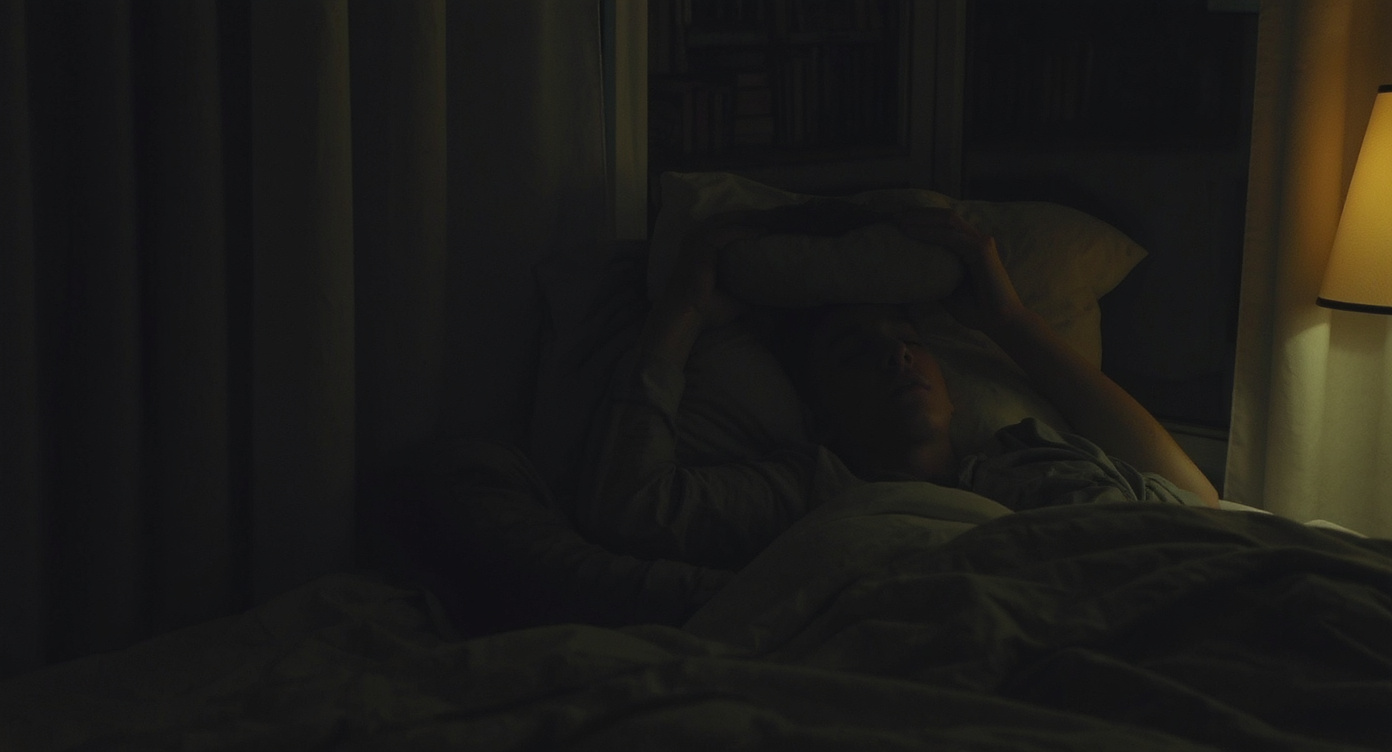
How to Stop Snoring: Evidence-Based Options That Actually Work
Snoring affects 45% of adults. Here's what the evidence says actually works — from free positional changes to devices — and when it's a sign of something serious.
 Protocol
Sleep for Shift Workers: A Survival Guide
Night shifts fight your biology. Here's what published research says about managing sleep when your schedule won't cooperate.
 Protocol
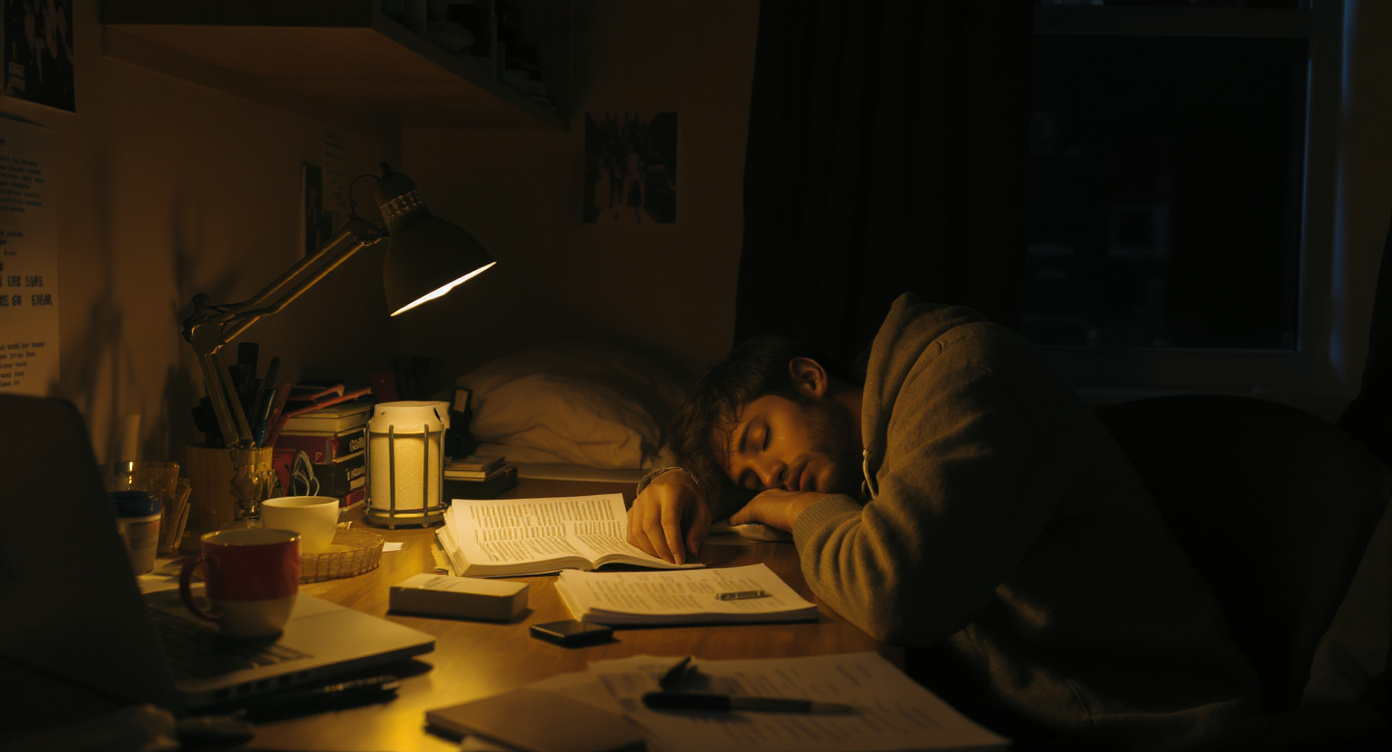
Sleep for College Students: A No-BS Guide
All-nighters don't work. Here's what actually does — the sleep science that matters for exams, mental health, and surviving a dorm.
 Protocol
8 Warning Signs of Sleep Apnea You Shouldn't Ignore
Sleep apnea affects an estimated 30 million Americans — and most don't know they have it. Here are the signs that should prompt a conversation with your doctor.
 Protocol
Sleep and Aging: What Changes After 50 (and What to Do About It)
Sleep changes with age — but not all of it is inevitable. Here's what the research says about why older adults sleep differently and what actually helps.
 Protocol
Sleep and Mental Health: Depression, ADHD, and PTSD
Sleep problems and mental health conditions feed each other. Here's what the research says about the connections — and what to address first.
 Protocol
Sleep and Weight Loss: What the Research Actually Says
Poor sleep doesn't just make you tired — it changes what you eat, how much you eat, and where your body stores it. Here's the evidence.
 Protocol
Sleep During Pregnancy: Trimester-by-Trimester Guide
Sleep changes dramatically during pregnancy. Here's what's normal, what helps, and when to talk to your doctor — backed by published obstetric sleep research.