BGment Blackout Curtains Review: The Ultra-Budget Light Blockers Under $25
A detailed review of BGment Blackout Curtains — the ultra-budget darkening option, rod-pocket and grommet styles, and where the savings show.
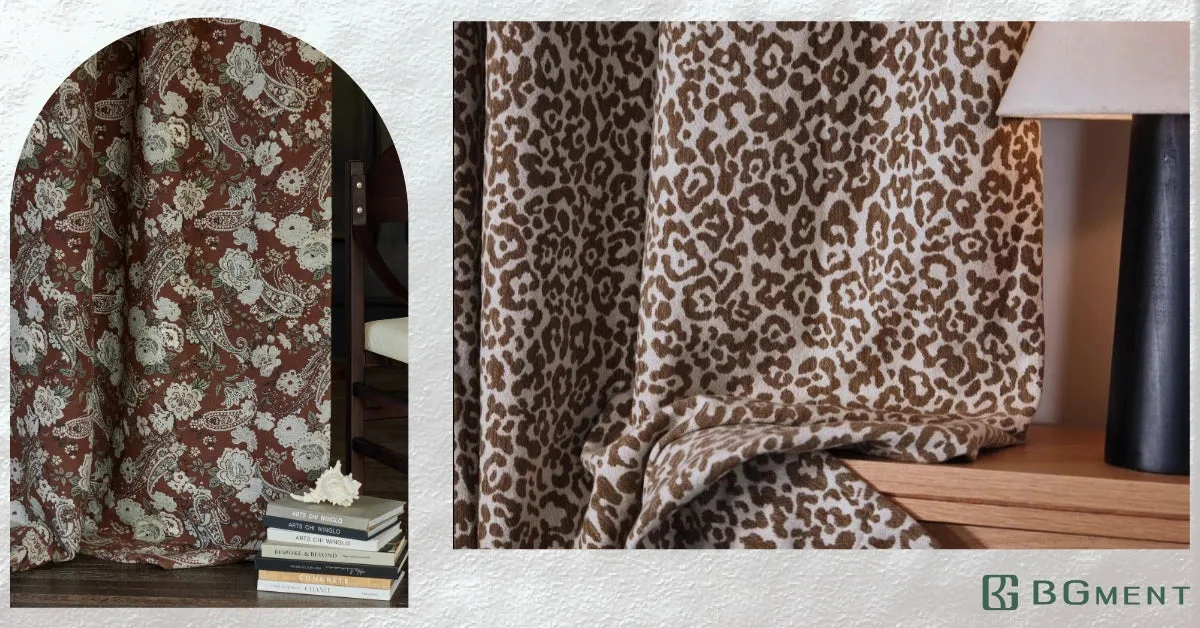
The BGment Blackout Curtains are the floor of the blackout curtain market — a 2-panel set at $22.99 that undercuts even budget leaders like NICETOWN and Sun Zero. At that price, expectations are calibrated accordingly. But the question thousands of buyers are asking is straightforward: can curtains under $25 actually darken a room enough to improve sleep?
This review covers what verified buyers consistently report about the BGment blackout curtains — the actual light-blocking performance, the build quality trade-offs, the mounting options, and whether the savings over a $29 competitor are worth the compromise.
BGment
BGment Blackout Curtains (2 Panels)
$22.99
Pros
- Ultra-budget — often under $25 for a pair
- Rod-pocket and grommet-top options
- Decent light blocking for the price
Cons
- Thinner fabric than premium options
- Light leakage at sides and top without proper overlap
What it is
- Construction: Double-layer polyester with blackout coating
- Light blocking: Marketed as 85–95% blackout
- Panels per set: 2 panels
- Mounting options: Grommet top or rod pocket (varies by listing)
- Available sizes: Multiple size combinations from small windows to sliding doors
- Colors: 20+ solid colors including neutrals and brights
- Care: Machine washable cold, tumble dry low
- Price: $22.99 (2 panels, standard size)
- Thermal: Basic thermal insulation from fabric density
Unlike the triple-weave construction of NICETOWN and Sun Zero, the BGment uses a simpler approach: a polyester face fabric with a blackout coating applied to the back. This is cheaper to manufacture but produces a thinner, lighter curtain panel. The coating blocks light effectively through the fabric, but the overall density is lower — which matters for thermal insulation and noise dampening.
What buyers consistently like
1. The price is unbeatable
The most-cited positive is simply the price. At $22.99 for two panels, BGment curtains cost less than a takeout meal for two. Verified buyers who need to cover multiple windows — especially in apartments with 4–6 windows — consistently describe the cost savings as the primary reason for choosing BGment. Outfitting a full apartment at $23/window vs. $29/window adds up quickly.
2. Decent light blocking for the price
The curtains do darken a room meaningfully. Verified buyers switching from sheer curtains or bare windows consistently report a dramatic improvement — rooms go from "blindingly bright" to "dim enough to nap." The blackout coating does work through the fabric itself, blocking approximately 80–90% of light in practice.
The important qualifier: "decent" and "complete blackout" are different things. For buyers who need a darker bedroom but don't require absolute darkness, the BGment delivers adequate performance at the lowest possible price.
3. Rod-pocket and grommet options
Unlike many budget competitors that offer only grommet tops, BGment sells both rod-pocket and grommet versions. Rod-pocket installation creates a cleaner, more gathered look — and it's the only option for buyers using narrow curtain rods that don't fit through standard grommets. This mounting flexibility is a genuine advantage at this price point.
4. Color variety
With 20+ colors available, the BGment lineup covers most common bedroom color schemes. While not as extensive as NICETOWN's 30+ options, it's enough for most buyers to find a reasonable match.
5. Machine washable and low maintenance
The polyester fabric washes and dries easily without special care. For households with kids, pets, or allergies that require frequent curtain washing, the low maintenance and low replacement cost make BGment a practical choice.
What buyers consistently complain about
1. Thinner fabric than competitors
The #1 complaint. Side-by-side comparisons with NICETOWN, Sun Zero, or other mid-budget blackout curtains reveal noticeably thinner fabric. The BGment panels feel lighter, drape differently, and look less substantial when hung. For some buyers, this translates to a "cheap" look that undermines the bedroom aesthetic — even at a cheap price.
The thinner fabric also means less thermal insulation and less noise dampening compared to triple-weave alternatives.
2. Light leakage at sides and center
Like all grommet or rod-pocket curtains, the BGment doesn't seal against the wall. But the thinner fabric and slightly narrower panels make the edge leakage more noticeable. Verified buyers consistently report a visible "glow" around the curtain edges, particularly at the sides where the curtain doesn't extend far enough past the window frame.
The center gap between the two panels is also a frequent complaint — without overlap, a bright line of light splits the middle of the window.
3. Blackout coating can peel
Long-term reviewers (6+ months) occasionally report the blackout coating on the back of the fabric beginning to peel or flake, particularly after multiple wash cycles. This is a known issue with coated blackout curtains (vs. woven blackout fabrics) and is more common at lower price points where the coating adhesion is less robust.
4. Wrinkles that resist steaming
Like most packaged curtains, BGment panels arrive with fold creases. Unlike thicker fabrics that release wrinkles with steaming, the thinner BGment material can hold creases stubbornly. Some buyers report fold lines remaining visible even after steaming and weeks of hanging.
Who should buy BGment Blackout Curtains
Best for:
- Ultra-budget shoppers who need basic room darkening at the lowest price
- Renters covering multiple windows who want to minimize total spend
- Temporary living situations, dorm rooms, or seasonal use
- Buyers who need rod-pocket mounting (not available from all competitors)
- First-time blackout curtain buyers who want to test the concept cheaply
Not great for:
- Sleepers who need near-complete darkness — the thinner fabric and edge gaps let too much light through
- Design-conscious buyers — the thin fabric looks and feels budget
- Anyone who wants thermal insulation or noise reduction — the single-layer construction underperforms triple-weave options
- Long-term use — the blackout coating may degrade over 1–2 years of washing
How it compares to alternatives
Against the NICETOWN blackout curtains (~$29), the $6 savings comes at a measurable cost: thinner fabric, less effective light blocking, less thermal insulation, and lower long-term durability. For most buyers, the extra $6 for NICETOWN is the better value proposition — the performance gap exceeds the price gap.
Against the Sun Zero Cyrus (~$26), the comparison is similar. The Sun Zero's triple-weave construction outperforms the BGment's coated single-layer in light blocking, insulation, and durability. The BGment wins only on price.
The BGment's genuine advantage is in the ultra-budget tier: when you need to cover 4–6 windows for under $100 total, or when you're outfitting a temporary space that doesn't justify $30/window. In those scenarios, "decent darkening" at the lowest possible cost is exactly the right trade-off.
Where to buy
Frequently asked
How much light do BGment curtains actually block?+
Are they worth the $6 savings over NICETOWN?+
Will the blackout coating peel?+
Do they reduce noise?+
Can I use these in a nursery?+
Where to go next
Related findings.
 Lab Report
Zinus Green Tea Memory Foam Mattress Review: The $400 Mattress Most People Actually Need
A detailed review of the Zinus 12-Inch Green Tea Memory Foam Mattress — the most-reviewed budget mattress on Amazon, and why it satisfies 80% of sleepers at 25% of the premium price.
Yogasleep Rohm Travel White Noise Machine Review: The Pocket-Sized Sleep Saver
A detailed review of the Yogasleep Rohm — portability, battery life, sound quality, and how it compares to plug-in alternatives.
 Lab Report
Yogasleep Dohm Review: The 60-Year-Old Design That Still Wins
A detailed review of the Yogasleep Dohm — why a real-fan noise machine from 1962 still outsells digital alternatives, and who it's for.